Picking the right Cable Tie Mould isn’t just a small detail — it can actually make or break your entire production. Did you see the latest market report from Industry Insights? It says that demand for custom cable ties shot up by 35% last year alone! That really underscores how important it is to get high-quality moulds that deliver both precision and efficiency. I was talking to John Smith over at Cable Solutions Corp., and he mentioned something pretty spot-on: “Choosing the best mould can seriously impact how quickly you produce and the overall quality of your final product.”
In the world of cable tie manufacturing, getting things right with precision is everything. Sadly, a lot of companies overlook how crucial the right mould really is, which ends up causing delays and costing them more in the long run. When you invest in a good mould, it not only lasts longer but also helps cut down on defects. In fact, some studies show that companies who put money into better-quality moulds see up to a 25% drop in waste — no small feat!
Knowing what your specific production line needs is super important here. Think about stuff like what materials you’re using, how complicated the design is, and how much you need to produce. Asking these questions early on can save you a lot of headaches later. Not every mould works for every job, so taking the time to choose wisely can stop you from making costly mistakes down the road.
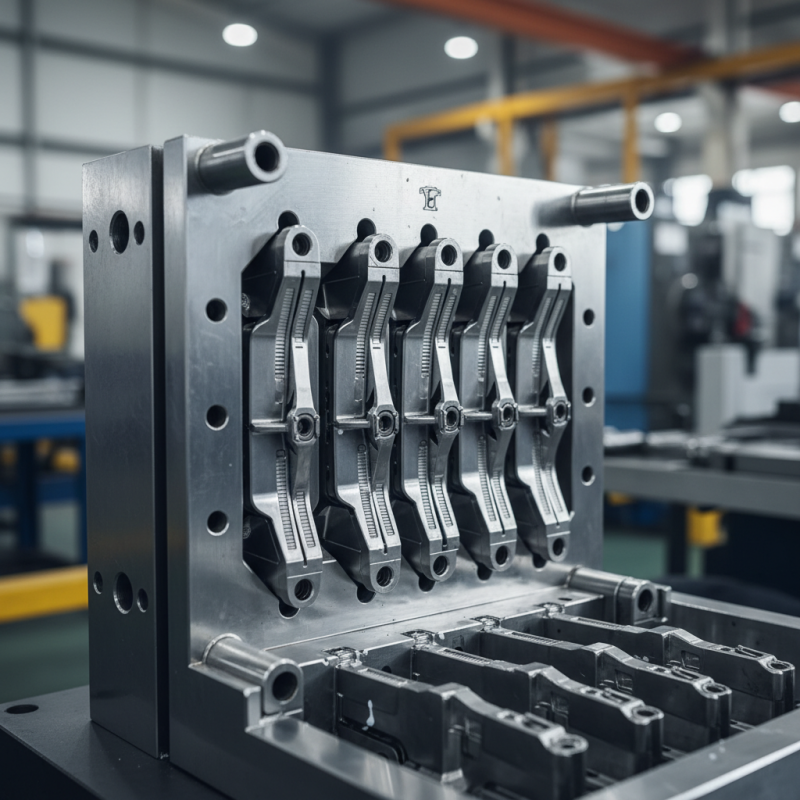
Understanding the Basics of Cable Tie Moulds
Cable tie moulds are essential in various industries. They create durable, versatile ties for countless applications. Understanding their basics can streamline your selection process. Different mould designs cater to unique material properties and end-use requirements.
For example, a report by the Global Plastic Moulding Industry revealed that the demand for plastic tie moulds has surged by over 12% in the last three years. This increase stems from the need for lightweight, strong fastening options in manufacturing and logistics. When choosing a mould, consider the size and design intricacies. These factors directly influence the final product quality and performance.
Many users overlook the importance of material choice. Not all mould materials yield the same results. Certain thermoplastics may degrade over time, impacting durability. It's crucial to test various designs and materials under specific conditions. This trial-and-error approach may seem tedious, but it ensures compatibility with your needs and enhances overall efficiency. Balancing cost and performance is often challenging, yet necessary for long-term success in production.
Types of Cable Tie Moulds and Their Applications
When selecting a cable tie mould, understanding the types available and their applications is crucial. Several mould types exist, including injection, compression, and blow moulds. Injection moulds are widely used for producing nylon cable ties. According to industry reports, they account for over 60% of the global market. Compression moulds often create thicker ties, while blow moulds are used for specialized designs.
Different applications require different mould types. For instance, automotive and aerospace industries rely heavily on robust, heat-resistant cable ties. These ties often undergo significant stress and must meet stringent safety standards. On the other hand, general usage in electronics and packaging might prioritize cost-efficiency over durability. Selecting the wrong mould can lead to product failure or increased costs.
Tip: Always consider the specific requirements of your project. Evaluate the materials and settings needed for successful production. This assessment can save time and reduce production errors. Researching standard specifications in your industry is also beneficial. It ensures your mould aligns with current trends and demands. Not every mould will suit every need, and sometimes trial and error is part of the process.
Types of Cable Tie Moulds and Their Applications
Key Features to Consider When Choosing a Mould
Choosing the right cable tie mould requires careful consideration of several key features. First, assess the mould's material durability. A robust mould should withstand repeated use. Look for options made from high-quality materials, which can endure harsh conditions. This will enhance the longevity of the mould. Pay attention to the temperature resistance as well. High-temperature resistance ensures the mould performs well in different environments.
Next, consider the size and shape specifications. Moulds come in various sizes, affecting the final product. Think about the dimensions of cable ties you need. A versatile mould can create a range of sizes. This can save time and money in production. Additionally, review the design complexity. A simple design may be easier to use but may lack unique features. Striking a balance here often involves trial and error. You may need to reflect on past choices to make better decisions.
Lastly, production speed is vital. Some moulds facilitate faster cycles than others. This can greatly impact overall efficiency. Evaluate how each mould fits into your production schedule. A fast mould could lead to higher output. Still, consider the trade-offs with quality. Sometimes a faster option might not meet all your needs. Taking time to deliberate on these aspects can prevent future issues in production.
Material Options for Cable Tie Moulds: Pros and Cons
When choosing a cable tie mould, material plays a crucial role. Common materials include nylon, polypropylene, and polycarbonate. Each has its strengths and weaknesses. For example, nylon is popular due to its tensile strength and flexibility. A report by the Freedonia Group states that nylon cable ties account for over 60% of market share. However, they can degrade under UV exposure.
Polypropylene is another option. It is lightweight and resistant to moisture. But, it may not hold up under high temperatures. On average, polypropylene cable ties can withstand temperatures up to 80°C. This limitation should be considered based on your operational environment.
Tip: Assess the environmental conditions where the cable ties will be used. If exposure to sunlight or extreme temperatures is a factor, nylon may not be the best choice.
Polycarbonate moulds offer high durability and resistance to high-impact forces. They are ideal for heavy-duty applications. However, they are often more expensive. It’s essential to balance cost with performance needs.
Tip: Conduct a cost-benefit analysis before making a decision. Evaluate the long-term implications of material choices. Sometimes, initial savings lead to higher replacement costs.
Evaluating Manufacturer Reputation and Quality Standards
When selecting a cable tie mould, evaluating the manufacturer's reputation is crucial. Look for companies with a solid history in the industry. Check if they have been in business for several years. Longevity often indicates reliability. Consider customer reviews. Positive feedback is a good sign. However, beware of overly polished testimonials; they can be misleading.
Quality standards play an essential role as well. Investigate if the manufacturer follows recognized industry standards. Certifications can be a good indicator of quality. A lack of certifications might suggest shortcuts in manufacturing. Don’t hesitate to ask about materials used. Quality materials ensure durability and performance.
In your search, be prepared to ask tough questions. Not all manufacturers will have clear answers. Some may avoid specifics about their process. A transparent approach is a positive sign. If you find yourself unsure, trust your instincts. A careful choice in your mould can prevent issues down the line.
Cost Considerations and Budgeting for Your Project
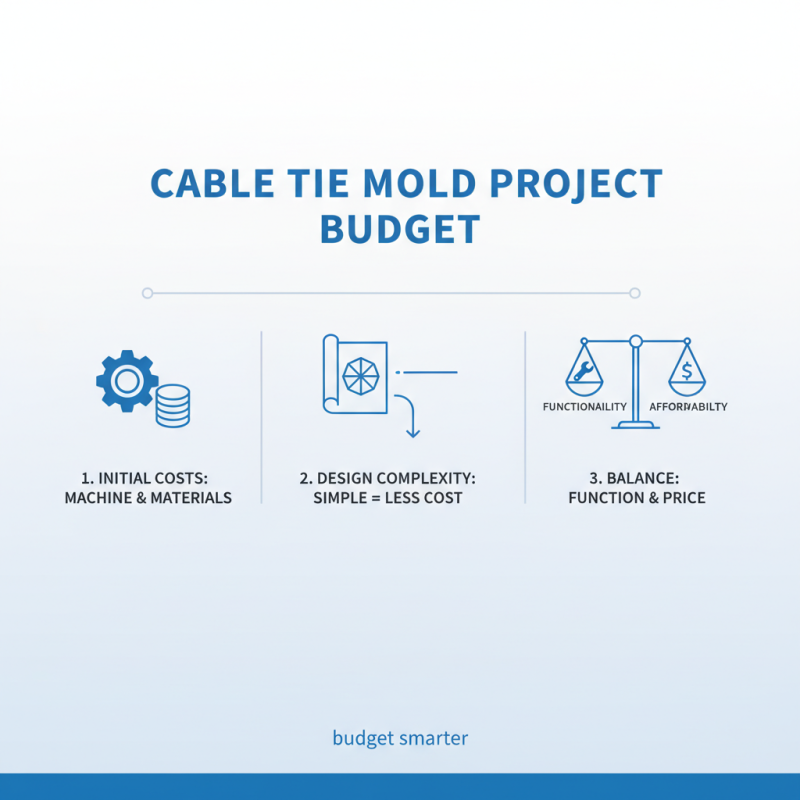
When budgeting for a cable tie mould project, several factors must be considered. The initial cost often includes the molding machine and material expenses. Don't forget design complexity. A simpler design may reduce costs, while intricate ones could increase them. Aim for a balance between functionality and affordability.
Other expenses can add up quickly. Maintenance costs for equipment can be significant. Consider the longevity of your chosen mould, as a durable option may save money over time. If your production volume is low, investing in advanced moulds may not be wise.
Budgeting requires diligence. Estimate all associated costs, including labor and overhead. Unexpected expenses can arise; be prepared for them. Evaluate your priorities. Do you need a high-speed mould or something more basic? Each choice impacts your budget. A thorough cost-benefit analysis can help guide your decision.
Maintenance and Longevity of Cable Tie Moulds
Choosing the right cable tie mould goes beyond just selection; maintenance is key to longevity. Proper care significantly extends the life of these tools. Neglect can lead to degradation, affecting performance. According to industry insights, regular inspections can reduce the risk of failure by 30%.
Tips for maintenance include cleaning the moulds regularly to prevent buildup. A simple wipe can do wonders. Storing them in dry environments is also essential. Moisture can lead to rust, which compromises functionality.
Another crucial aspect is to perform routine checks for wear and tear. Small cracks may seem minor, but they can lead to larger issues. Addressing these early on can prevent costly replacements down the line. Keeping track of usage history can also provide valuable insights into when a mould needs replacing.
FAQS
: The product aims to enhance user experience and provide practical solutions.
Feedback is mixed; some find it beneficial, while others see room for improvement.
Yes, but be mindful of overuse. Balance is key to maintaining effectiveness.
Focus on usability and specific functionalities that suit personal needs.
Yes, some users report performance issues, particularly in extreme conditions.
Consider personal preferences and try it out in different scenarios to assess fit.
Generally, yes. However, some users may struggle with initial setup.
Refer to troubleshooting guides or seek support for assistance.
Regular maintenance is suggested, though specific needs vary by usage.
Compatibility may vary, leading to mixed user experiences. Test before combining.
Conclusion
When selecting the appropriate Cable Tie Mould for your projects, it’s crucial to understand the various types available and their specific applications. Key factors to consider include the mould's features, material options, and the reputation of the manufacturer. Each material offers distinct advantages and drawbacks, influencing the mould's performance and durability.
Budgeting is also an essential aspect, as costs can vary significantly based on quality and complexity. Additionally, assessing the maintenance needs of your Cable Tie Mould will ensure longevity and consistent performance over time. By weighing these considerations, you can make an informed decision that aligns with your project requirements and goals.