inquiry
Leave Your Message

Blog

China Best Water Tank Mold Manufacturer?

China Best Water Tank Mold Manufacturer?

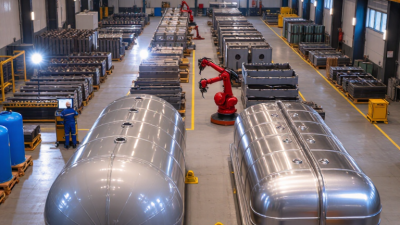
So, who’s really the best Water Tank Mold manufacturer in China? Honestly, the answer is about more than just price. Grand View Research’s Plastic Tanks Market report expects a 4.3% compound annual growth rate from 2023 to 2030. That kind of growth puts real pressure on manufacturers to keep cycle times stable, hit accurate wall thickness, and deliver dependable leak performance. A Water Tank Mold supplier worth taking seriously should have hands-on experience with HDPE, LLDPE, and rotational molding. During design reviews, they should be talking about parting lines, draft angles, venting, shrinkage, and cooling behavior—not just giving you a pretty CAD model. A 10,000-liter tank needs more than a polished cavity. It needs balanced steel thickness and controlled deformation. Tool trials should include dimensional inspection, pressure testing, and repeated production runs. ISO 9001 certification can help with process consistency, but it can’t replace seeing actual factory evidence. Donald V. Rosato, a well-known plastics engineering author, once said, “The mold is the heart of the injection molding process.” His point still matters, even when the tank is made by rotational molding. The mold shapes surface quality, wall distribution, and how much maintenance you’ll deal with later. Suppliers like Taizhou Huangyan Yongsheng Mould Co., Ltd. and Ningbo Shuangma Machinery Industry Co., Ltd. show why you need to review factory capability carefully—not just assume it from a website. The cheapest quote may end up being the most expensive one. Buyers should ask for steel grades, mold-flow analysis, sample reports, and reference projects. They should also confirm spare-part support and repair response times. Maybe I’m being too cautious, but “best” isn’t a fixed label. It’s proven through transparent data, repeatable trials, and honest discussion about design limitations.
Read more »
Amelia By:Amelia - October 14, 2026
How to Choose the Best Storage Box Mould in China?

How to Choose the Best Storage Box Mould in China?

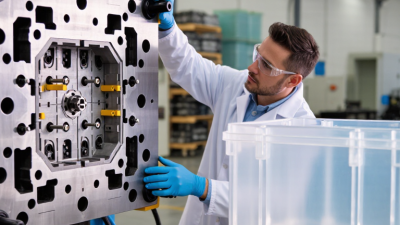
Finding the best Storage Box Mould in China? It takes more than just lining up quotes. You need real evidence: how the material flows, how well it cools, whether cycle times stay stable, and whether the supplier can actually back up what they promise. Grand View Research points out that the global injection molded plastics market keeps growing, thanks to packaging, household products, and consumer goods. That growth is good news, of course. But it also means suppliers aren’t all created equal. Mordor Intelligence says automation, lightweight design, and recyclable materials are reshaping plastic injection molding. For storage boxes, those trends show up in wall thickness, lid fit, stackability, and surface finish. And here’s the catch: a mould that makes one pretty sample can still fall apart after thousands of cycles. Small stuff matters. Uneven cooling? That can leave warpage near the corners. Poor venting? You might get burn marks around thin ribs. Dr. Suhas Kulkarni, an injection-molding consultant and author, once said, 'A mould is not just a tool; it is the heart of the process.' That’s a useful way to look at it, but it still needs a practical test. The real question isn’t whether a Chinese supplier promises precision. It’s whether they can show measured results, maintenance records, mold-flow analysis, and repeatable production samples. This guide digs into steel selection, cavity design, cooling channels, ejection systems, tolerances, and after-sales support. It also looks at production volume and total ownership cost. The cheapest Storage Box Mould can turn expensive fast if it needs frequent repairs. Yeah, that’s an uncomfortable thought. Better to review it before you sign that purchase order.
Read more »
Amelia By:Amelia - October 11, 2026
China Top 10 Parts Bin Mold Manufacturers?

China Top 10 Parts Bin Mold Manufacturers?

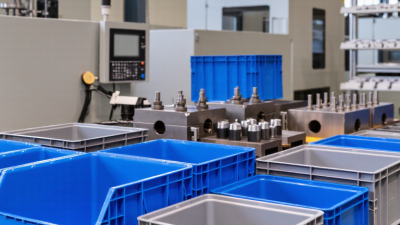
So, China has become a pretty major source for injection molds used in storage, logistics, and workshop organization. This guide walks through China’s top 10 Parts Bin Mold manufacturers and the real capabilities behind their reputations. It leans on practical evidence, not just flashy claims. A reliable manufacturer should understand how polypropylene, ABS, and recycled resin behave. It also needs to keep shrinkage, cooling balance, and ejection marks under control. Those details decide whether a bin stacks neatly or jams up during daily use. Experienced suppliers can suggest mold steel, cavity numbers, gate positions, and expected cycle times. Their sample parts should show clean corners, stable wall thickness, and consistent dimensions. Yep, small details matter. The selection process should also look at design support, tooling maintenance, inspection records, and how well they communicate. Names like Borch Machinery, LK Technology, and Ningbo Haijiang Machinery might catch your eye, but equipment branding alone doesn’t prove mold quality. A supplier with shiny modern machines can still miss basic tolerance requirements. Worth remembering, right? Factory audits, trial reports, and customer references give you stronger evidence. Buyers should ask for 3D mold-flow analysis, first-shot samples, and a clear warranty policy. Cost comparisons need to include revisions, spare inserts, delivery schedules, and long-term maintenance. No ranking is perfect. Changes in resin, product size, and order volume can shift the best choice. Still, this overview gives you a practical starting point for evaluating Chinese Parts Bin Mold manufacturers with a bit more confidence.
Read more »
Amelia By:Amelia - October 7, 2026
China Top Water Tank Mold Manufacturers and Suppliers

China Top Water Tank Mold Manufacturers and Suppliers

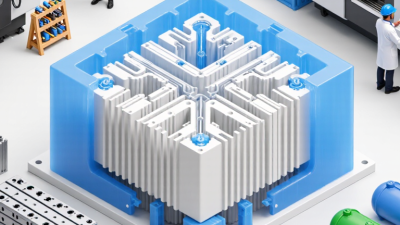
China has really become a go-to place for sourcing Water Tank Molds, you know? A lot of suppliers there support everything from plastic storage tanks and agricultural containers to industrial vessels and even household water systems. Many factories actually do it all—mold design, CNC machining, polishing, assembly, and testing—under one roof, which makes things a lot easier. But here’s the thing: size isn’t everything when it comes to quality. You want an experienced supplier who truly understands the ins and outs of rotational, blow, or injection molding. They should know exactly how the mold’s structure fits the tank’s capacity, wall thickness, material, and the production cycle. Engineers usually check things like cooling performance, the seams or parting lines, venting, draft angles, and how smoothly the parts come out—these little details really matter because they can affect leakage, surface finish, and even costs down the line. And hey, don’t just take their word for it. Ask for proof! Good manufacturers should be able to give you detailed 3D drawings, steel specs, inspection reports, and even samples for testing. It’s important to understand what kind of steel they’re using—be it aluminum, P20 steel, stainless steel, or whatever fits your needs. Plus, clear communication is key. Whether it’s changing the tank size, adding threaded outlets, handles, ribs, or reinforced corners, make sure everything’s nailed down. Some suppliers also offer helpful advice on maintenance or replacement parts after you receive your molds. Of course, no supplier’s perfect. A slick website doesn’t mean much if you can’t back it up with real evidence of their work. Even a really good Water Tank Mold might need tweaks after that first trial run. Before you sign any deal, it’s worth checking out their tolerances, delivery timelines, warranties, and experience with exports. Visiting the factory, watching videos, or doing independent quality checks can really help you feel more confident about your choice. This guide highlights some of the top Water Tank Mold manufacturers and suppliers from China, but at the end of the day, the best pick really depends on what you need—your application, budget, how much you’re producing, and your technical specs. Just remember: do your homework, ask the right questions, and don’t rush it.
Read more »
Amelia By:Amelia - October 3, 2026
How to Choose the Right Glass Bottle Storage Box Mold?

How to Choose the Right Glass Bottle Storage Box Mold?

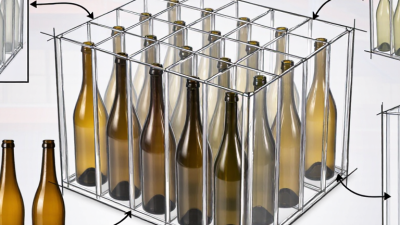
Choosing a Glass Bottle Storage Box Mold isn’t just about picking a box that matches your bottle. There’s a bit more to it—like making sure the mold can support the weight of the container, keep fragile glass safe, and produce consistent results. Even a few millimeters can make a difference in how the bottles sit in each compartment. So, fitting perfectly really comes first. Start by noting down the bottle’s height, body diameter, the shape of the neck, and how much space you’ll need for dividers. Then think about what you’re actually gonna use these boxes for—are they going to be stacked in a warehouse, displayed in a store, or transported multiple times? Each scenario puts different demands on things like wall thickness, corner strength, and ease of handling. A tight fit can help keep bottles from jostling around, but if it’s too snug, loading could get tricky, or it might even cause damage. It’s all about paying attention to the little details. You also want to give some thought to material choice and how the mold is designed. Ask questions like: How does the plastic behave as it cools? Will it shrink? And how easily will the finished box come out of the mold? It’s smart to ask for drawings, double-check those dimensions, and see a sample under real-world conditions. A quick test with filled bottles can catch issues like weak dividers or awkward handles before you commit to a big order. Don’t just rely on the look—test everything. Remember, there’s no one-size-fits-all mold out there. Even a good design might need tweaks after the first sample. It’s totally normal and worth keeping in mind. This guide covers the practical stuff you need to check—like measuring bottles, designing cavities, ensuring tooling quality, and how to talk with your supplier—to make sure you end up with a storage box that fits well, protects what’s inside, and can be produced reliably over and over again.
Read more »
Ethan By:Ethan - September 28, 2026
How to Choose the Best Logistic Pallet Mould?

How to Choose the Best Logistic Pallet Mould?

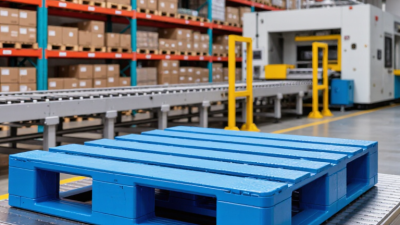
Picking the right Logistic Pallet Mould really starts with understanding what the pallet will actually go through in daily use. Will it be hauling heavy boxes, rolling through automated conveyor systems, or getting knocked around a busy warehouse? These little details actually influence the size, rib structure, choice of material, and how long the mold needs to last. Because honestly, something that seems perfect on a drawing can still end up with weak corners or uneven walls—small details matter way more than you might think. One helpful viewpoint comes from Dr. David Kazmer, who’s known for his work in polymer processing. His main point? A mold isn’t just about matching the drawing — it’s about making sure it works with the resin, the machine, and the production goals. When you're shopping around, it’s good to compare things like the steel grade used, how the cooling lines are set up, gate design, and expected cycle times. And don’t forget to ask how the supplier verifies the consistency of parts—like weight and dimensions—over multiple runs. Be sure to request detailed specs, test reports, and maintenance tips—solid proof beats just a lot of promises. Costs are definitely important, but watch out: the lowest bid might hide compromises in cooling efficiency, machining quality, or mold durability. Also, think about what injection molding machines you’ve got — a fancy mold that’s too big or too advanced won’t do any good if your equipment can’t handle it. No checklist is perfect, and even seasoned buyers can overlook issues like how easy it is to repair or tweak the design later. So, it’s worth taking a moment to think that over before giving the green light. Overall, a good Logistic Pallet Mould isn’t just about having the flashiest model—it needs to reliably produce consistent parts, be practical to maintain, and fit your production needs. Choosing the right one means finding a mold whose proven performance actually aligns with your pallets, your process, and the folks running it every day.
Read more »
Amelia By:Amelia - September 25, 2026
Top 10 Types of Cable Tie Mould for Global Buyers

Top 10 Types of Cable Tie Mould for Global Buyers

When global buyers are selecting a Cable Tie Mould, they rarely base their decision solely on how many cavities it has. Instead, they look at things like cycle times, the quality of the steel, how well the cooling is balanced, ejection stability, and how easy it is to maintain over the long haul. Sure, a twelve-cavity mould might seem really tempting, but if it doesn’t fill properly, you could end up with uneven straps, weak locking heads, or way too much flash—those small details really do count. Daniel Mercer, an injection moulding consultant with over twenty years of experience, puts it pretty plainly: "Reliable mould performance starts with a balanced design, not just impressive numbers." That practical insight underpins the whole idea behind our Top 10 Types of Cable Tie Mould for Global Buyers. We dive into everything from single-cavity and multi-cavity moulds to family, cold-runner, hot-runner, stack, insert, prototype, high-speed, and custom solutions. Every type fits different production needs. For example, standard nylon cable ties need stable cooling and tight cavity dimensions. If you're working with recycled or glass-filled materials, you’ll probably need tougher steel, better venting, and smarter gate designs. Some moulds are built to be cheap and simple, while others are meant for millions of consistent parts. It’s all about what your project demands. Honestly, choosing the right mould isn’t always straightforward—that’s the tricky part. Buyers should really take the time to review sample parts, mould-flow simulations, maintenance histories, and the experience level of their suppliers before they commit. A glossy brochure can look great, but it’s no substitute for the real evidence of quality. And here’s a tough truth: no mould design is perfect for every material, machine, or factory situation. Regional support, spare parts, and operator training are just as crucial as the design itself. These ten categories serve as a practical way to compare different options, but at the end of the day, testing, revisions, and honest technical discussions are key to making the right choice.
Read more »
Charlotte By:Charlotte - September 22, 2026
China Top Cap Mold Manufacturer and Supplier

China Top Cap Mold Manufacturer and Supplier

You know, China’s cap and closure industry is really booming right now, thanks to the growing demand from sectors like beverages, food, pharma, and personal care packaging. According to Grand View Research, the global market for plastic caps and closures hit around USD 55.15 billion in 2023, and it’s expected to keep expanding through 2030. So, if you're looking at opportunities, this is pretty clear: reliable Cap Mold manufacturers and suppliers in China are definitely in a good spot. But hey, a Cap Mold isn’t just some steel tool you buy off the shelf. It’s actually quite complex — it handles everything from thread precision and sealing performance to cycle time and waste management. John Bozzelli, a well-known injection-molding expert, even calls the mold “the heart of the injection molding process,” and honestly, he’s onto something. If cooling isn’t done right, you’ll end up with uneven shrinkage. If the cavity isn’t balanced, the caps you produce may not be consistent. And those tiny defects? They might seem minor, but in high-volume production, they can cost you a lot. That’s why having an experienced China Top Cap Mold Manufacturer and Supplier is crucial. They should be upfront about these risks and explain things clearly. When you evaluate them, don’t just look at the steel or the fancy pictures — check their technical details like mold steel quality, cavity design, hot runner system, cooling channels, tolerances, and how easily maintenance can be done. And make sure they provide trial reports that cover cycle times, dimensional accuracy, and material performance. Factory visits or audits are just as important, along with how they support you after the sale. A shiny catalog with pretty images doesn’t tell you everything, so don’t fall for that alone. The manufacturer needs to back up their claims with real, measurable evidence — like customer references, inspection reports, and honest communication about your project. Of course, nobody’s perfect; changes in materials, differences in machinery, or even operator habits can impact the final result. A good supplier knows these things and keeps testing and improving. In this article, we’ll take a closer look at China’s Cap Mold manufacturing skills, their quality control methods, customization options, and how to pick the right supplier. We’re focusing on the real evidence, not just broad promises — because that’s what really matters when you’re making a decision.
Read more »
Amelia By:Amelia - September 19, 2026
How to Remove Floor Mat Mold Safely?

How to Remove Floor Mat Mold Safely?

Cleaning and removing mold from your floor mat isn’t just about scrubbing off the visible spots. Mold can hide in the tiniest places—under the rubber backing, deep inside the fabric fibers, or along the stitched edges. Sometimes, even after it looks clean, that musty smell sticks around. This guide’s got your back, walking you through how to inspect, clean, dry, and evaluate a contaminated mat with some practical tips. Though it mainly focuses on household mats, car mats, and entryway runners, keep in mind that different materials will need different approaches. First things first, make sure you're working in fresh air. Wear gloves, and try not to shake the mat indoors—that just spreads mold spores everywhere. Keep kids and pets away too, just to be safe. Before splashing any cleaner, check the care label. And always do a quick patch test on a hidden spot first, to see how the material reacts. If it’s a washable surface, a mix of mild detergent and warm water might do the trick. But for porous foam or more delicate fabrics, mold can sink deep and be tougher to fight. Oh, and a super important tip—never, ever mix cleaning products. Combining bleach and ammonia can produce dangerous fumes you definitely don’t want to breathe in. Don’t settle for just a quick wipe. Mold tends to come back if moisture lingers. So, rinse the mat carefully, remove as much water as you can, and then dry both sides completely—ideally in a sunny, well-ventilated spot. Relying solely on sunlight or a fragrance spray isn’t enough, since the smell can temporarily go away while dampness is still hiding there. Honestly, some heavily mold-infested mats might just be beyond saving and could be better off replaced. If you notice mold covering a large area, keep recurring, or if it’s messing with your breathing, it’s a smart idea to get advice from a mold remediation professional. Also, always check manufacturer instructions and local waste disposal guidelines. Being cautious and practical is the way to go, and it just makes sense—trust me, you’ll feel more confident about what you’re doing.
Read more »
Amelia By:Amelia - September 16, 2026
Why Choose a Welding Pallet for Global Shipping?

Why Choose a Welding Pallet for Global Shipping?

So, why go for a Welding Pallet when it comes to global shipping? Well, it all starts with control—not just how it looks. Basically, a Welding Pallet is built with welded steel joints that create a super sturdy platform for heavy machinery, fabricated parts, and all sorts of industrial stuff. That tough, rigid frame helps keep everything stable, even when forklifts are moving it around, it’s being transferred at ports, or even during those long ocean trips. Honestly, that’s pretty crucial because one loose component can end up ruining the whole shipment, and nobody wants that mess. Daniel Mercer, an international packaging engineer at Meridian Load Systems, puts it pretty simply: “Reliable shipping starts with load stability, not just stronger steel.” He’s onto something—having a well-designed Welding Pallet means it can take repeated use, keeps warehouse operations consistent, and even cuts down on disposable packaging waste. Plus, you can customize it with different dimensions, reinforced corners, lifting pockets, or tie-down points—especially handy for those odd-shaped or heavy loads often squeezed into tight containers or stacked in busy distribution yards. That said, steel isn’t always the magic answer. If welds are shoddy, load calculations are off, or corrosion protection is lacking, you might actually cause more problems. That’s why experience is key here. Engineers need to check the cargo’s center of gravity, working load limits, stacking methods, and what kind of handling equipment will be used before the thing gets built. And don’t forget, international shipments require extra attention: carrier rules, destination requirements, labeling, and safe lifting practices all play a role. You can’t just assume one design works everywhere. Sometimes, pallets can be overbuilt—which ends up costing more than it should. Nobody wants to throw money away on unnecessary strength. A good supplier will provide detailed inspection records, material info, dimensional drawings, and clear guidelines for maintenance. The most effective Welding Pallet strikes a fine balance between strength, weight, repairability, and overall shipping costs. Yep, it might not look flashy, but its real power lies in how it performs—standing up to vibration, moisture, and repeated handling, with every joint tested. That quiet, dependable performance? That’s often the real reason folks pick it over flashier options.
Read more »
Amelia By:Amelia - September 11, 2026
Top 10 Blow Molding Pallets Suppliers Worldwide

Top 10 Blow Molding Pallets Suppliers Worldwide

Picking a dependable blow molding pallet supplier isn’t just about checking out the prices in their catalogs. These pallets are pretty vital—they hold bottles, containers, and tough industrial loads, especially across busy distribution networks. A weak or poorly made pallet can bend, warp, or break down when exposed to heat, humidity, or if it gets backed up with forklifts repeatedly. So, this guide walks you through ten well-known suppliers from around the world, using practical criteria that really matter when you’re buying. We look at things like material quality, mold design, how well they handle heavy loads, customization options, lead times, and the kind of service you can expect. And hey, real warehouse conditions, along with clean edges, actually matter quite a bit in the real world. The list covers companies like Craemer, CABKA, Rehrig Pacific, Schoeller Allibert, and ORBIS Corporation, plus regional players who serve sectors like beverages, chemicals, food, and manufacturing. But, just relying on a supplier’s reputation isn’t enough. It’s smart to ask for technical datasheets, sample pallets, test methods, and warranty info before you make your decision. Things like dimensions, deck design, nesting options, and hygiene standards can seriously impact how well a pallet performs in your specific setup. A pallet that looks sturdy enough might still let you down in the heat of a hot trailer. Our goal here is to help procurement teams, packaging engineers, distributors, and plant managers get a clear picture. We focus on real, verifiable details rather than flashy marketing. Keep in mind, some info might differ depending on the region or model, so it’s worth double-checking with each manufacturer regarding availability, certifications, tooling, and shipping costs. And honestly, the cheapest option isn’t always the best. The trick is to find a pallet that performs reliably, fits your current equipment, and can be supported throughout its entire lifespan—you know, the kind you can count on day in and day out.
Read more »
Ethan By:Ethan - September 7, 2026