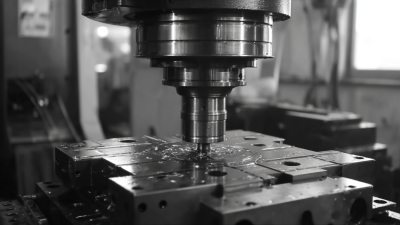
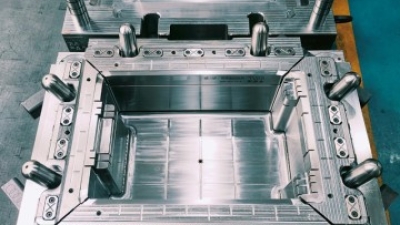
In today's fast-changing world of manufacturing, you really can't overlook the importance of specialized equipment, especially when it comes to making everyday essentials like cable ties. Cable Tie Moulds play a big role in streamlining this process, helping to produce these tiny but super common items quickly and in large quantities. It's pretty crazy—industry reports say that by 2026, the market could be worth over 5 billion bucks! As companies look for smarter ways to improve their production lines, the need for high-quality, custom-molded solutions is just growing.
At Taizhou Huangyan Xintong Mold Co., Ltd., we're right there in the mix, using our expertise across industries like medical equipment, logistics, home furniture, and electrical appliances to deliver tailored Cable Tie Moulds that meet the tough standards of modern manufacturing. It’s an exciting time, and we’re proud to be part of it.
The Role of Cable Tie Moulds in Streamlining Production Efficiency
Cable tie moulds are pretty essential these days in manufacturing, especially if you’re looking to speed things up. They help produce cable ties quickly and accurately—these little things actually play a big role across various industries like electronics, automotive, and construction. When companies use high-quality moulds, they're able to keep the product quality consistent and cut down on production time. That means costs go down and the whole process becomes more efficient and smoother overall.
And here’s the interesting part—designing these moulds smartly really helps save materials and cut waste. Modern techniques like injection moulding make sure raw materials are used effectively, so every piece meets strict quality standards. This way, businesses can keep up with market demands without having to stockpile tons of products, which is a big plus. All in all, using the right cable tie moulds isn’t just about boosting output; it also helps in being more eco-friendly by reducing scraps and making better use of resources.
Key Design Features of Effective Cable Tie Moulds
When you're working on designing effective moulds for cable ties, there are a few key things you really want to keep in mind to boost both manufacturing efficiency and the overall quality of the product. First off, picking the right material is a big deal. Materials like steel or aluminum, which are tough and long-lasting, help cut down on wear and deformation — this means your mould can handle the intense pressure of injection molding without giving you trouble. Oh, and the surface finish of the mould? That actually makes a difference in how the final cable ties look and perform. Smoother surfaces mean less friction and fewer surface blemishes, so your end product looks cleaner and more professional.
Then, there's the design of those mould cavities themselves. Getting that just right is super important because it directly affects the size, shape, and overall quality of the cable ties. Nowadays, designers often use CAD — you know, computer-aided design — to create detailed, intricate shapes that improve how the plastic flows through the mould. That helps in cutting down waste and speeding up production cycles. Plus, including well-designed cooling channels inside the mould can really make a difference by reducing cooling times, which means you get more done in less time and spend less energy. When you focus on these aspects, it’s easier to produce top-notch cable ties that hold up well in all sorts of modern applications.
Understanding the Key Design Features of Effective Cable Tie Moulds
This chart illustrates the significance of various design features in cable tie moulds in modern manufacturing processes. Each feature contributes differently to the efficiency and quality of production.
Step-by-Step Guide to Selecting the Right Mould for Your Needs
When you're picking out a cable tie mould for your manufacturing setup, it’s pretty important to take a thoughtful, step-by-step approach. Honestly, start by figuring out exactly what your production needs are—think about how many cable ties you’re aiming to make and what types. Knowing the specific sizes and features your product requires can really help steer you in the right direction. Also, don’t forget to check if the mould material matches the cable tie materials you plan to use—whether that's nylon, polyethylene, or something else entirely.
After that, take a good look at the mould design itself—does it make your process smoother? Things like easy cleaning, quick changeovers, and how sturdy it is all matter. I’d suggest asking for samples from suppliers and chatting with them about how they make their moulds. That gives you a real sense of how they’ll perform in the real world. And hey, don’t overlook customer support and warranty options—they might not seem like a big deal at first, but they can seriously make your life easier long-term, especially when it comes to keeping production running smoothly. Follow these steps carefully, and you’ll end up with a mould that not only works for now but helps your manufacturing grow sustainably over time.
Common Challenges in Cable Tie Mould Manufacturing and Solutions
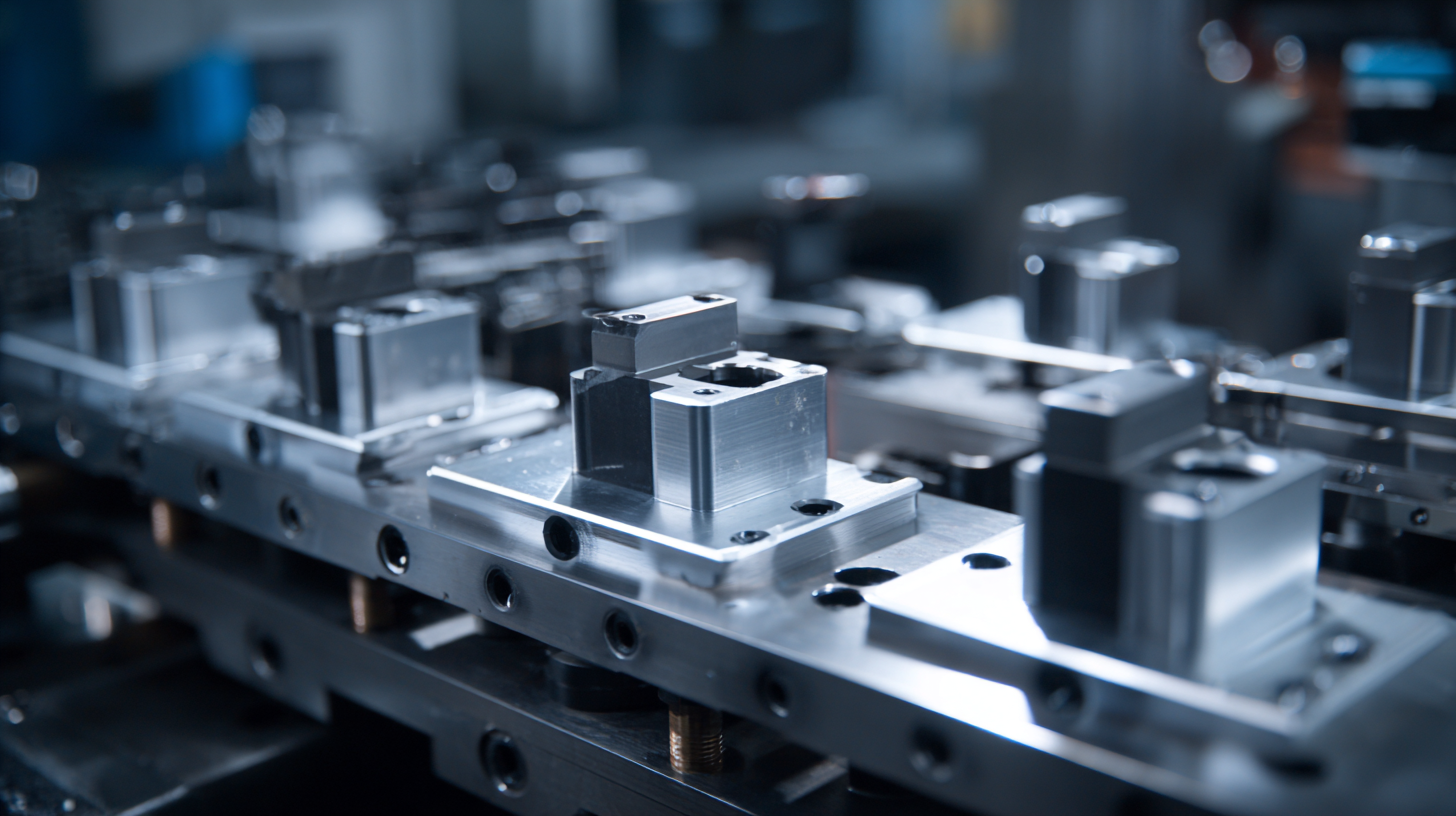 Making Cable Tie Molds is a pretty crucial step when it comes to creating sturdy fastening solutions. That said, it’s not always smooth sailing—there are quite a few hurdles along the way. One big issue that companies often run into is the inconsistency in the quality of materials. Industry reports show that about 30% of mold failures are actually caused by using subpar materials, which ends up costing more money and messing with production schedules. To tackle this, many manufacturers are now turning to better materials and smarter quality control systems to make sure their molds are reliable and last longer.
Another tough nut to crack is the precision needed when designing and creating these molds. If the design isn’t spot-on, it can lead to defects in the final product, which obviously isn't ideal for cable ties’ durability. According to some research from the Manufacturing Technology Conference, around 25% of molds end up failing during the initial pilot run because of design mistakes. To get around this, lots of companies are now using CAD software and simulation tools. These allow them to test and tweak the designs thoroughly before even starting production, helping cut down on errors and improving overall efficiency.
Innovations in Cable Tie Mould Technology and Their Impact on Industry
You know, cable tie mould technology has really seen some pretty exciting changes lately, and it’s making a big splash in manufacturing. Developers are coming up with smarter mould designs and using better materials, which means we’re getting cable ties that are not only tougher but also more versatile. Seriously, these kinds of ties are now a must-have across all sorts of industries—everything from electronics to construction. In fact, a recent market report says the nylon cable ties market is set to grow a lot by 2032, all because these ties offer such reliable fastening solutions that industries are actually counting on more and more.
But it’s not just about cranking out stuff faster. These advancements are also pushing for more eco-friendly practices and better functionality. Manufacturers are exploring greener materials and tweaking moulding processes to cut down on waste and save energy—pretty cool, right? It really shows how the whole manufacturing scene is evolving, with innovation playing a key role in meeting the tight demands of today’s applications. As these cable tie moulds keep improving, industries can count on them for secure, efficient, and more sustainable operations—win-win all around!
Understanding the Importance of Cable Tie Moulds in Modern Manufacturing Processes
| Dimension | Value | Impact |
| Production Speed | 2000 units/hour | Increased efficiency in manufacturing. |
| Mould Lifespan | 500,000 cycles | Reduced cost per unit over time. |
| Material Used | High-grade steel | Improved durability and performance. |
| Cost of Mould | $25,000 | Initial investment with significant ROI. |
| Time to Produce Mould | 2 months | Long lead time but critical for quality. |
Maximizing Efficiency and Protection: The Benefits of Premium Heavy-Duty Crate Mould in Industrial Packaging
In the modern industrial landscape, maximizing efficiency and protection is paramount, especially in sectors such as logistics, warehousing, agriculture, and exports. This is where our premium heavy-duty Crate Moulds come into play, engineered meticulously to enhance production capabilities while ensuring the durability and functionality of plastic crates. The advanced injection moulding technology employed in our moulds guarantees precision manufacturing, producing crates that are not only stackable and reusable but also resilient against impacts.
One of the standout benefits of our crate moulds is their ability to consistently deliver high-performance output. Industries often face challenges related to storage and transportation, wherein the quality of packaging plays a critical role. Our moulds are designed to meet the rigorous demands of industrial operations, providing crates that withstand the stresses of heavy loads and varying environmental conditions. By integrating efficiency and protection, these moulds become an indispensable asset for businesses aiming to optimize their supply chains and safeguard their products.
FAQS
: Common challenges include variability in material quality, precision in mould design, and fabrication issues, leading to higher costs and production delays.
Approximately 30% of mould failures are attributed to subpar materials, which can result in increased costs and delays in production timelines.
Manufacturers are investing in advanced materials and implementing quality control systems to ensure consistency and durability in mould production.
Precision is crucial because poorly designed moulds can lead to defects in the final product, compromising the integrity of cable ties.
Research indicates that about 25% of moulds fail during pilot production due to design inaccuracies.
Many companies are adopting computer-aided design (CAD) and simulation software to test and optimize moulds before actual production, reducing error rates.
Innovations include advanced mould designs and materials, which have led to the production of more durable and versatile cable ties.
The nylon cable ties market is projected to experience substantial growth by 2032, driven by demand across various industries, including electronics and construction.
Manufacturers are focusing on eco-friendly materials and optimized moulding processes to reduce waste and energy consumption.
The continuous improvement indicates a broader trend toward innovation in manufacturing, essential for meeting the specific requirements of modern applications.
Conclusion
Cable tie moulds are pretty vital when it comes to boosting efficiency in today’s manufacturing world. Their design details really matter because they help produce high-quality cable ties that meet all sorts of industry standards. Picking the right mould isn’t just about guesswork — you’ve gotta understand what your specific production needs are and be ready to tackle common issues like material wear and making sure everything stays within the right dimensions. When you address those challenges, it’s a game-changer — your output improves and costs can drop pretty significantly.
The industry keeps evolving with new innovations in cable tie mould technology. These advancements bring smarter solutions that handle more complicated requirements across different sectors. Companies like Taizhou Huangyan Xintong Mold Co., Ltd. are spot-on with this trend, offering customized moulding solutions tailored for various industries — from medical to logistics and electrical appliances. All these ongoing improvements not only make manufacturing more efficient but also give companies a real edge in the competitive global market.