Leave Your Message
 Picking the right Flat Pallet is super important if you're really serious about streamlining your logistics and supply chain. I came across a report from Grand View Research that said the global pallet market was worth around $57.57 billion back in 2020, and it’s expected to keep growing at about 7% each year from 2021 right through 2028. That pretty much shows how much everyone’s craving more efficient ways to handle materials—think healthcare, shipping, electrical goods—you name it.
At Taizhou Huangyan Xintong Mold Co., Ltd., we don’t just stick to one industry—we’ve got the experience to customize molding solutions that fit your specific needs. So, getting to know the different types of flat pallets out there can really make a difference—boosting safety and making transportation smoother. In the end, it’s a smart move for businesses looking to stay competitive and keep things running efficiently in today’s busy world.
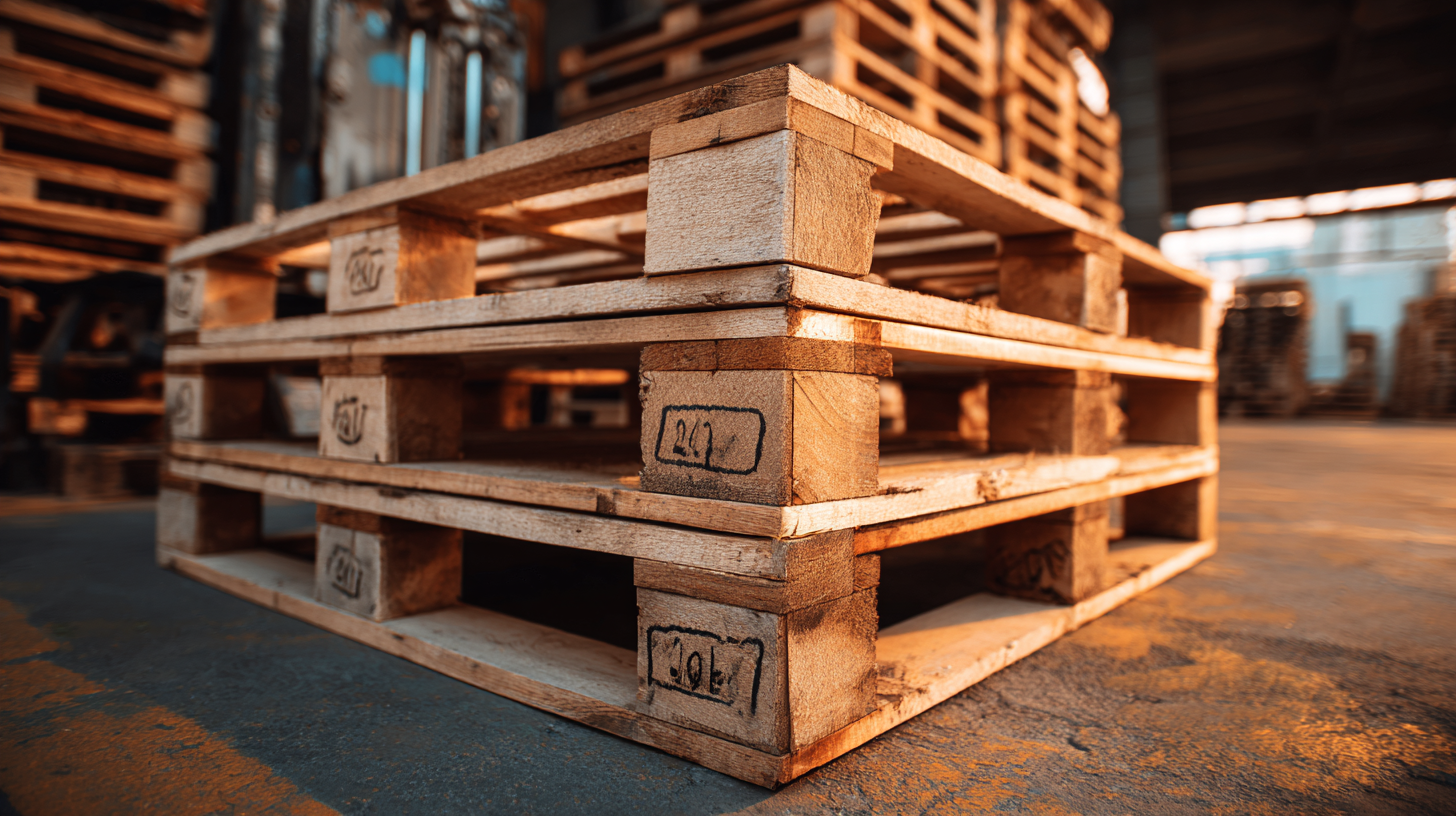
When you're on the hunt for the perfect flat pallet for your business, it helps to get a good grasp of the different types out there and what they're best suited for. Wooden pallets, for example, are super common—mainly because they're durable, budget-friendly, and pretty versatile. You'll see them popping up in everything from farms to retail shops, since they make transporting goods a lot easier.  That said, they do have their quirks—like sometimes splintering or soaking up moisture—which can cause hygiene concerns, especially in certain industries.
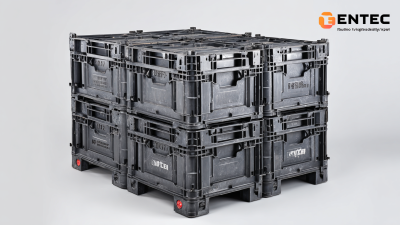
Now, if you're looking for something lighter, plastic pallets might be your best bet. They're resistant to moisture, chemicals, and pests, which makes them perfect for food, pharma, and other sectors where cleanliness is key. Plus, they’re stackable and nestable, so storage becomes a lot more efficient—and handling can be a breeze.
Then there are steel and aluminum pallets. They tend to come with a higher price tag but are incredibly sturdy. These are ideal if you're dealing with heavy loads, like in automotive or aerospace sectors.
Ultimately, the choice depends on your specific needs—think about how much weight your pallets need to handle, what regulations apply to your industry, and of course, your budget. Taking all that into account will help you pick the right flat pallet to make your operations run smoother and more efficiently.
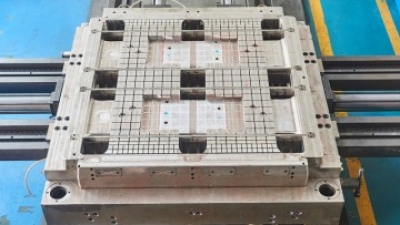
In today's competitive market, optimizing supply chain efficiency is critical for businesses looking to enhance their operational performance. One of the pivotal components in this optimization is the use of logistics solutions, such as Four Windows logistic plastic Pallet Injection moulds. These moulds are engineered to facilitate the production of high-quality pallets that meet the rigorous demands of modern supply chains, often addressing issues such as durability, load capacity, and flexibility.
Xintong Mould specializes in this arena, offering a range of products including pallets, Turnover Boxes, and trash cans. With customization capabilities that allow for reverse processing based on customer samples and drawings, Xintong Mould ensures that every product aligns with specific business needs. Recent industry reports indicate that the global plastic pallet market is projected to grow significantly, with a CAGR of around 6.1% from 2022 to 2028, driven by increased demand for sustainable and efficient packaging solutions in various sectors.
By adhering to a business philosophy focused on being "people-oriented" and "quality-oriented," Xintong Mould is committed to producing high-tech, cost-effective solutions that bolster supply chain efficiency. The company's dedication to innovation is evident in its ongoing investment in technology and product development, making them a trusted partner in this fast-evolving industry. With their commitment to reliable quality, reasonable pricing, timely delivery, and exceptional service, Xintong Mould positions itself as a key player in the logistics supply chain landscape.
: It's essential to evaluate the durability and safety of the materials based on your industry, such as medical, logistics, furniture, or appliances. Robust materials can withstand heavy loads and environmental conditions, ensuring product safety during transportation.
The design and size impact storage and transportation efficiency. A well-fitting pallet reduces handling risks and enhances operational efficiency tailored to your industry needs.
Compliance with industry standards is vital as different sectors have specific requirements regarding pallet materials, dimensions, and load capacities to ensure safety and effectiveness.
Depending on your industry, look for certifications such as FDA compliance for food storage or certifications that align with regulations for hazardous materials to ensure safety and regulation adherence.
Many companies are prioritizing sustainability by choosing recycled or eco-friendly pallets. Aligning your pallet choice with these practices not only meets regulations but also enhances brand reputation.
The ISPM 15 standard is crucial for wooden pallets to prevent pest infestations during international shipping. Compliance with this standard is essential for businesses involved in global trade.
Familiarize yourself with the load-bearing requirements outlined by ANSI/ASPME to choose pallets that can effectively support the weight of your products, minimizing the risk of damage or injury.
There is a growing demand for recyclable pallets, with a 15% annual increase noted in the 2021 Global Pallet Market Report, indicating a significant shift towards sustainable practices in pallet selection.
Yes, companies like Taizhou Huangyan Xintong Mold Co., Ltd. offer expertise in customized molding solutions, providing insights into the best pallet designs tailored to your specific applications.
Picking the right flat pallet really matters for a bunch of industries — think logistics, medical supplies, and more. It’s a big deal because it affects how smoothly things run and keeps products safe. Getting a good handle on the different types of flat pallets out there, and what each one’s best for, can really help businesses make smarter choices. You’ve gotta consider stuff like how much weight it can hold, the right size, and the material — whether it’s wood, plastic, or metal. All these factors are key to making sure the pallet actually works with your operation.
Plus, it’s smart to keep an eye on costs without sacrificing quality or running afoul of industry rules. As someone who's worked with custom molding solutions, we at Taizhou Huangyan Xintong Mold Co., Ltd. know how important it is to pick the right flat pallet. Doing so can boost productivity and help meet the diverse needs of our clients across different sectors — it’s all about finding that sweet spot between practical and cost-effective.