Hey there! In today’s fast-paced manufacturing world, picking the right Plastic Bottle Mold is super important if you want to boost your production efficiency and keep your product quality top-notch. Here at Taizhou Huangyan Xintong Mold Co., Ltd., we totally get how tricky the molding process can be and the impact it has across different industries like medical equipment, logistics, home furniture, and even electrical appliances. With our solid experience, we’re all about creating customized molding solutions that fit our clients’ specific needs. We pride ourselves on our commitment to excellence and building trust—we really want to help businesses worldwide nail their manufacturing goals with a mix of precision and reliability. In this blog, I’ll walk you through the key things to consider when you’re choosing the best Plastic Bottle Mold, so you can step up your production game and stay one step ahead in the market!
Key Factors to Consider When Selecting Plastic Bottle Mold Designs
Picking the right mold for plastic bottles is super important if you're looking to ramp up production efficiency—especially with the water bottle market on the verge of taking off. Can you believe the global water bottle market is expected to jump from $4.34 billion in 2024 to a whopping $6.46 billion by 2032? That’s a cool compound annual growth rate (CAGR) of about 5.23%! This boom really highlights how crucial it is to choose mold designs that can keep up with all the changing production needs while still keeping costs in check.
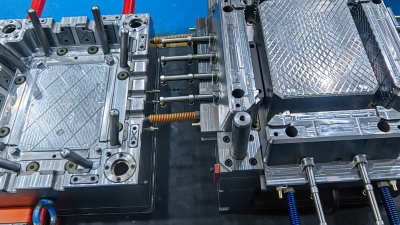
So, when you’re sifting through different plastic bottle mold options, there are a few things you definitely want to think about. The whole injection molding process is all about getting the details right—things like melt temperature, mold temperature, packing pressure, and cooling time all play a huge role. Some research has shown that tuning these factors can really boost how efficiently you produce. For example, they found that using a melt temperature of 270 °C and a mold temperature of 80 °C can make a big difference in the quality and consistency of the final product. And let’s not forget about North America’s market, which is projected to hit USD 12.08 billion by 2033. Manufacturers really need to splash out on advanced mold designs to stay ahead of the game and keep up with what consumers are looking for.
Understanding Different Types of Plastic Bottle Molds and Their Applications
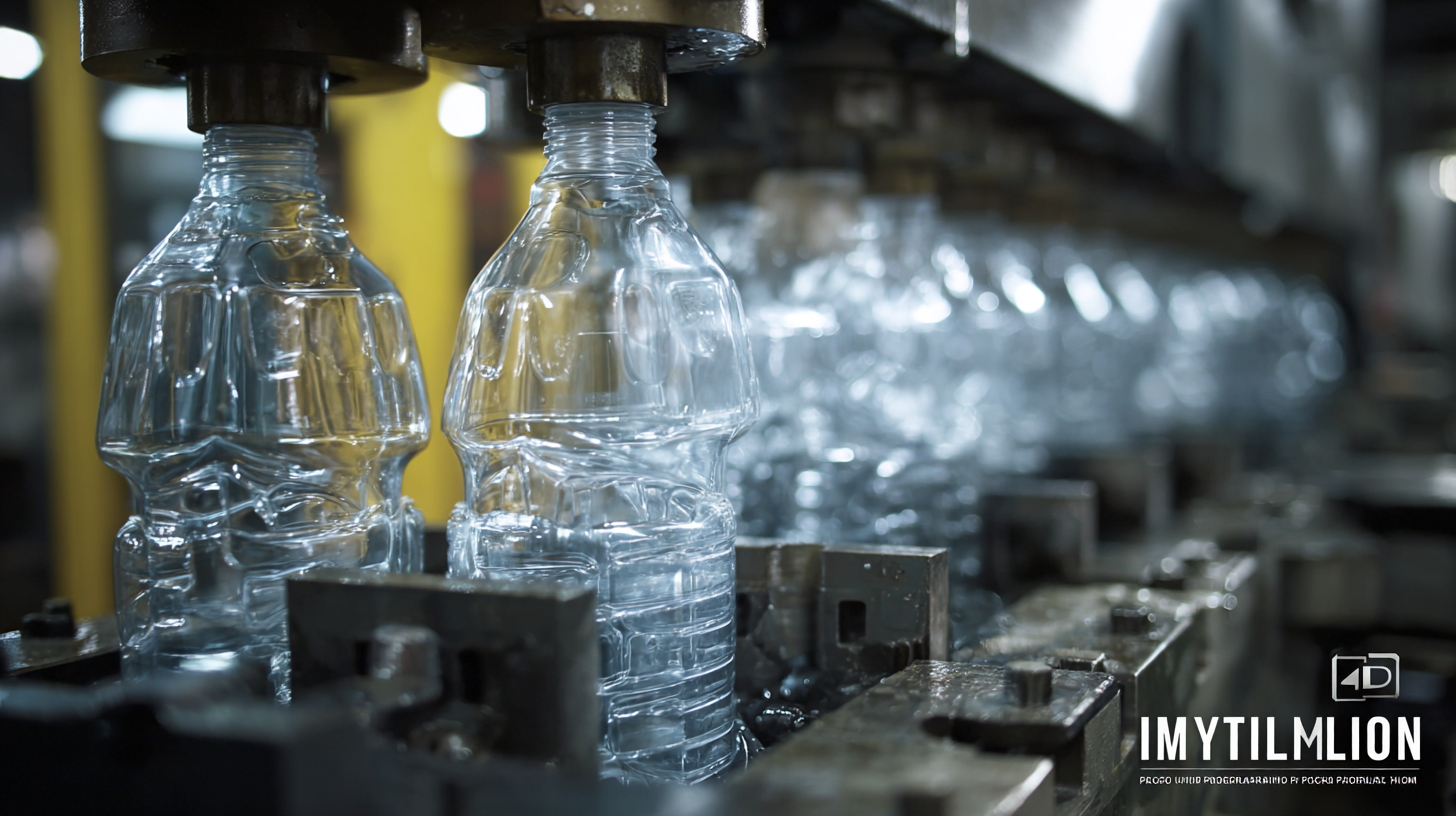
When selecting the best plastic bottle mold, understanding the various types of molds and their applications is crucial for maximizing production efficiency. There are primarily two categories of molds: single-cavity molds and multi-cavity molds. Single-cavity molds are ideal for low-volume production runs, offering greater flexibility and customization potential, while multi-cavity molds significantly enhance production rates by allowing multiple bottles to be produced simultaneously. According to a report by MarketsandMarkets, the adoption of multi-cavity molds can increase output by up to 50%, making them a popular choice for high-demand sectors such as beverage and personal care industries.
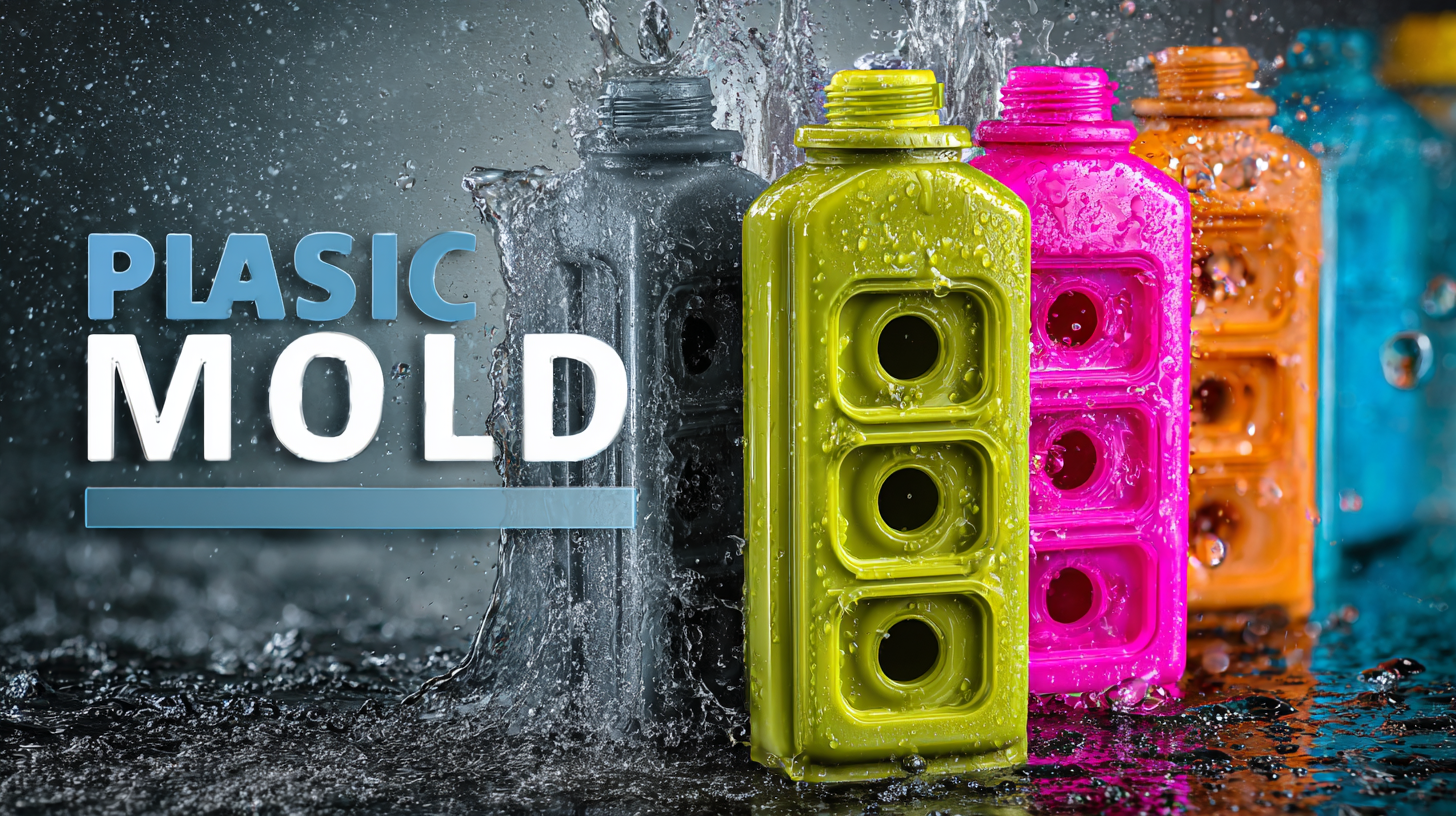
Additionally, the material of the mold itself plays a significant role in the overall production efficiency. Steel molds, lasting longer, are particularly efficient for large-scale productions, while aluminum molds, known for their lightweight nature, offer faster heating and cooling cycles, ultimately reducing cycle time. A study from Grand View Research indicates that the global plastic mold market is expected to reach $7.9 billion by 2025, driven by the increasing demand for lightweight, durable packaging solutions. Understanding these factors allows manufacturers to make informed decisions, enhancing their operational effectiveness in the competitive plastic packaging landscape.
Assessing Material Compatibility for Enhanced Production Efficiency
Okay, so let’s talk about picking the right plastic bottle mold. One of the biggest things you really want to pay attention to is how compatible the materials are. Trust me, this can completely boost your production efficiency. The material you go with doesn’t just determine how long the mold will last; it can really make a difference in how good and consistent the bottles turn out. For example, if you go for high-density polyethylene (HDPE) or polypropylene, you’re looking at better resistance to bumps and temperature changes. When these materials are paired with the right mold design, you can often speed up cycle times because they flow better in the injection molding process.
On top of that, you need to get a handle on how the resin interacts with the mold itself. Some plastics might need special coatings or treatments to avoid problems like sticking or wearing out too soon. If manufacturers take the time to check out the thermal properties and how the chemicals play together, they can not only optimize cooling times but also cut down on defects. And guess what? That directly boosts production speed and efficiency! So, you see, taking a close look at material compatibility isn’t just a boring technical step; it’s actually a smart strategy for ramping up productivity and saving some bucks in the process of making plastic bottles.
How to Choose the Best Plastic Bottle Mold for Optimal Production Efficiency
| Mold Type | Material Compatibility | Production Rate (units/hour) | Cycle Time (seconds) | Durability (cycles) | Cost (USD) |
| Single-Cavity Mold | PET, HDPE | 300 | 30 | 1,000,000 | 15,000 |
| Multi-Cavity Mold | PP, PVC | 1200 | 15 | 500,000 | 25,000 |
| Blow Mold | PET, PE | 800 | 20 | 750,000 | 20,000 |
| Injection Mold | ABS, PC | 600 | 25 | 300,000 | 30,000 |
Analyzing Cost-Effectiveness and ROI of Plastic Bottle Molds
So, when you're picking out plastic bottle molds, it’s super important to really think about their cost-effectiveness and return on investment (ROI) if you want to boost your production efficiency. I know, the initial price tag on high-quality molds can look a bit scary, but trust me, once you dig into their long-term benefits, it starts to make sense—like, big savings ahead! These top-notch molds not only speed up your production but also cut down on how often you need repairs or replacements, which in the end means you’re spending less overall. Plus, when your molds churn out precise, high-quality bottles, you’re gonna see way fewer defects and reworks, helping you hit those market demands without a hitch.
Don’t forget to consider the materials and design of the molds, though. Sure, opting for fancy materials might spike your upfront costs a bit, but these molds usually pack a punch in durability and performance. In the long run, that can really boost your ROI. It's super helpful to look at the life cycle of the mold and think about maintenance costs, along with the production capacity you can hit. Taking the time to evaluate these aspects will definitely steer manufacturers in the right direction, promoting efficiency and boosting profits in their operations.
Future Trends in Plastic Bottle Mold Technology and Market Demand
You know, the plastic bottle mold industry is really on the brink of some exciting changes, thanks to new tech trends and what consumers are looking for these days. The global hot runners market for packaging is predicted to jump from about $665.2 million in 2021 straight up to $911.2 million by 2028! That's quite a leap, right? Companies are seriously putting their efforts into increasing production efficiency—think better mold designs and awesome materials. With a growth rate of 4.6%, it's clear that manufacturers are leaning more towards creative solutions that not only cut down cycle times but also boost the quality of the products we see.
And get this—the injection molding market is set to soar too! It’s expected to hit around USD 23.95 billion by 2025 and could go all the way up to USD 38.01 billion by 2033. That's an impressive growth rate of 5.94%—definitely shows there’s strong demand for cutting-edge molding tech. Plus, as folks start to prefer more sustainable and customizable packaging options, this market is primed to benefit from the latest mold innovations. And check this out: molded fiber packaging is projected to reach USD 15.57 billion by 2034, which really emphasizes just how important it is to stay on top of market trends and what consumers want in the world of plastic bottles.
Plastic Bottle Mold Technology Trends and Market Demand (2023)
Tips for Collaborating with Mold Manufacturers to Optimize Production
You know, teaming up with mold manufacturers is super important for making plastic bottle production more efficient. There’s this report from MarketsandMarkets that says the global blow molding market could hit $9.56 billion by 2026! Why? Well, it’s all about the growing need for lighter and greener packaging options. If companies really want to ride this wave of growth, they need to build solid relationships with mold manufacturers who can provide top-notch, sturdy molds designed for their specific production needs.
Now, when you’re working with mold manufacturers, communication really makes a huge difference. Sharing clear specs and requirements can cut down the development time quite a bit. According to a study by Grand View Research, companies that dive into collaborative design and development can actually speed up their time-to-market by as much as 30%! Pretty neat, right? Plus, you’ve got to chat about the nitty-gritty of mold design—like where to put those cooling channels and those gate placements—to make sure everything runs smoothly. Paying attention to these details can really boost production rates and minimize waste, which is pretty much a win-win for making more profit in the end.
Innovative Logistic Solutions: Enhancing Efficiency with PP Plastic Boxes Molded Crate Moulds
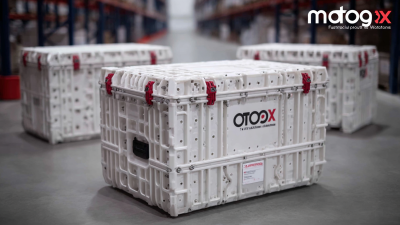
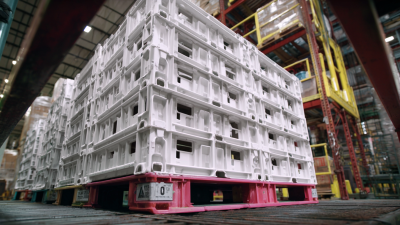
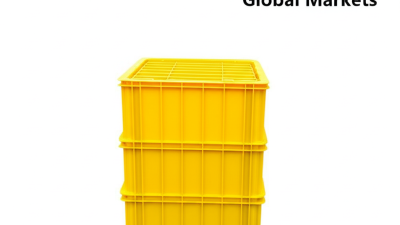
In today's fast-paced logistics environment, efficiency is paramount. Innovative logistic solutions, such as PP plastic boxes molded Crate Moulds, offer a reliable way to enhance the transportation and storage of goods. These sturdy crates are designed not only for durability but also to optimize space, effectively addressing the needs of warehouses and factories. Their robust construction ensures that items, whether fruits, vegetables, or industrial parts, are transported safely, reducing the risk of damage during handling.
Additionally, these crates find their place in the retail and display sector, where aesthetics play an important role. Their rustic appearance makes them ideal for stores and markets, transforming the way products are displayed. Supermarkets utilize these attractive molded crates to organize produce and merchandise, providing customers with an appealing shopping experience. With their versatility and functionality, PP plastic boxes molded crate moulds stand out as a crucial innovation in logistics and retail, significantly enhancing operational efficiency.
FAQS
: Analyzing cost-effectiveness helps optimize production efficiency, revealing long-term savings despite the initial investment in high-quality molds.
High-quality molds enhance production speed, reduce repairs and replacements, and minimize defects, leading to lower overall costs over time.
Key factors include the material and design of the molds, their durability, performance, maintenance costs, and production capacity.
The market is expected to grow from $665.2 million in 2021 to $911.2 million by 2028, with a CAGR of 4.6%.
The injection molding market is growing due to increased demand for sophisticated materials and designs, with expectations to reach USD 38.01 billion by 2033.
Shifts towards sustainable and customizable packaging solutions are prompting manufacturers to adopt advanced mold technologies to meet evolving market demands.
The anticipated rise of molded fiber packaging, projected to reach USD 15.57 billion by 2034, emphasizes the need for adaptation to changing consumer trends.
Investing in advanced materials can increase durability and performance, which significantly improves ROI over time.
Manufacturers should consider initial costs, maintenance requirements, and production capacity to evaluate the mold's life cycle effectively.
Emerging technologies are essential for enhancing production efficiency, reducing cycle times, and improving product quality in the plastic bottle mold industry.