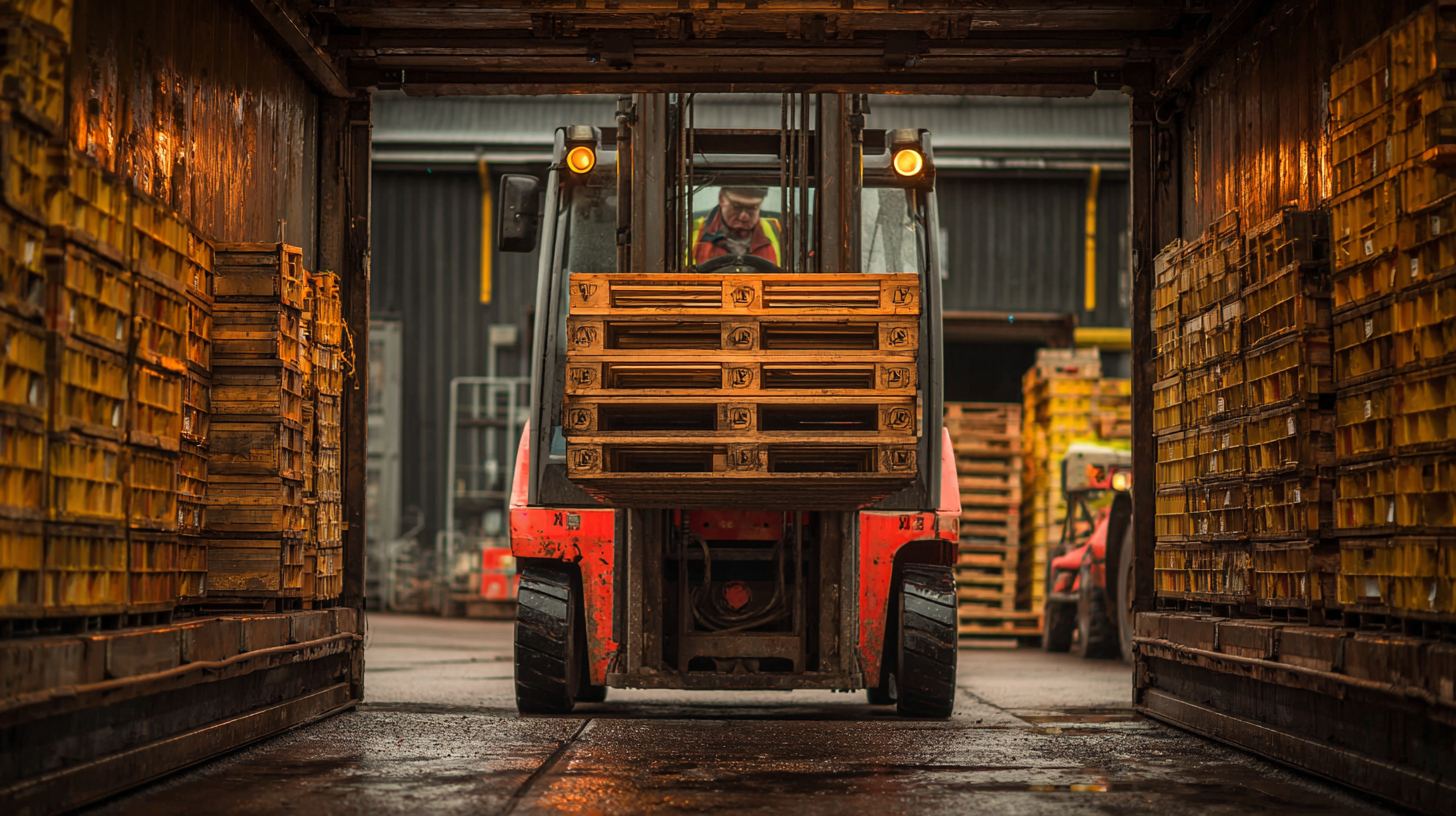
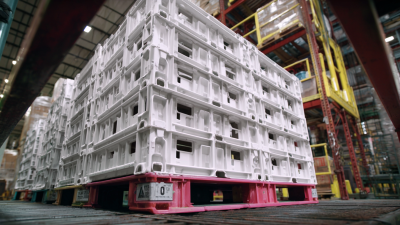
In today’s fast-moving business world, picking the right Molded Pallet isn’t just a small detail — it can really help streamline your logistics and keep operations running smoothly across different industries. At Taizhou Huangyan Xintong Mold Co., Ltd., we totally get that every sector has its own quirks — whether you’re dealing with medical gear, home furniture, or electrical appliances. Our knack for customized molding solutions means we can offer high-quality pallets that fit your specific needs perfectly. This guide is here to help you figure out what to look for when selecting molded pallets, so you can make smarter choices that boost productivity and give your supply chain a real edge. Whether you’re after something super durable, budget-friendly, or with some unique design features, the right molded pallet can seriously make a big difference in how efficiently your logistics game works.
Factors to Consider When Selecting Molded Pallets for Different Industries
Choosing the right molded pallets for different industries isn’t just about picking whatever’s available. There are quite a few things you really need to keep in mind to make sure you’re getting the best fit. First off, you gotta look at what the industry actually needs. For example, in the food and beverage world, pallets should be super easy to clean and resistant to moisture—nobody wants spoiled goods or mold. On the other hand, when it comes to pharmaceuticals, the stakes are higher—pallets need to meet strict hygiene standards and keep contaminants away.
Another biggie is durability and how much the pallets can handle. Different sectors have totally different requirements. Think about automotive parts—they need pallets that can handle heavier weights and more stress than, say, retail products. And don’t forget about the environment—the temperature swings or exposure to chemicals can really affect how long a pallet lasts and how well it performs. By looking at all these factors, companies can make smarter choices, pick pallets that work better for their specific needs, and potentially save some cash along the way.
Comparing Material Properties of Molded Pallets: Plastic vs. Wood
When you're choosing molded pallets for your business, it's really helpful to get a good handle on the differences between plastic and wood. I came across a report from the Freedonia Group that says demand for plastic pallets is actually expected to grow at about 5.5% each year, and by 2024, they could be a $2 billion market—pretty impressive, right? What makes plastic pallets stand out is their durability, resistance to moisture, and how easy they are to clean and sanitize. That’s why industries like food and pharma tend to go for them. Plus, since they’re lightweight, you end up saving on shipping costs—you know, every little bit helps. A study by the Pallet and Container Association even found that plastic pallets can weigh up to 30% less than wooden ones, which really adds up.
On the flip side, wood pallets are still super popular because they’re more budget-friendly and can handle really heavy loads. The 2021 report from the National Wooden Pallet and Container Association mentioned that roughly 95% of pallets in North America are wooden. But, and here's the catch—wood isn’t perfect. It can get damaged by moisture and pests, which can shorten their lifespan. Speaking of lifespan, a typical wooden pallet lasts around five years, whereas high-quality plastic ones can last up to 10 years. So even though they cost more upfront, they tend to pay off in the long run. Basically, understanding these differences can really help your business decide what works best for your needs and budget—nothing's one-size-fits-all, after all.
Understanding Load Capacity and Weight Distribution for Molded Pallets
When you're choosing a molded pallet for your business, it's super important to get a good handle on how much weight it can support and how that weight is spread out. A study from the Material Handling Industry Association points out that if pallets are loaded improperly, it can lead to some serious losses — actually, mishandling is responsible for almost 20% of logistics hiccups. So, to get it right, you really need to consider the specific load your operations will require. For example, a typical molded pallet usually holds between 2,000 and 3,000 pounds, but the exact capacity depends on the material and design.
And here's the thing: how you distribute the weight matters just as much as the weight itself. If the load isn’t evenly spread out, it can cause structural problems, which in turn can hike up your operational costs. A report from the International Pallet Federation shows that making sure the weight’s balanced can actually extend a pallet’s life by up to 30%. At Taizhou Huangyan Xintong Mold Co., Ltd., we’re all about custom solutions — we can create molded pallets that are perfectly suited to different industries like logistics or medical equipment, making sure your pallets match your specific needs and loads without any fuss.
Evaluating Cost-Effectiveness of Molded Pallets in Long-Term Usage
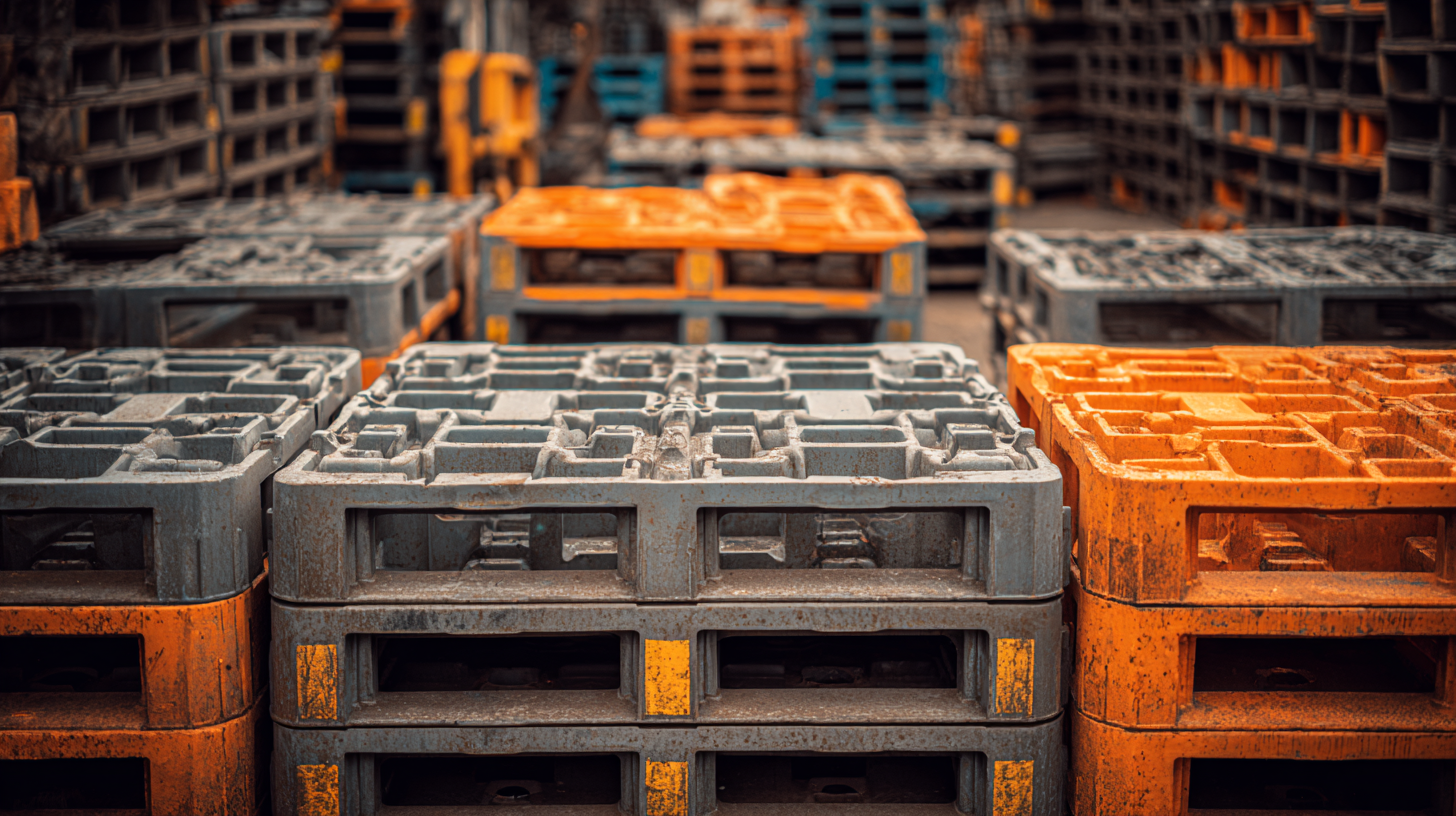
When you're looking at whether molded pallets are cost-effective for the long haul, you really want to consider how durable they are and what kind of maintenance they need. Basically, molded pallets are made from high-density plastics, which makes them pretty tough against wear and tear, moisture, and chemicals. Because of that, they tend to last way longer than your usual wooden pallets, which often need replacing pretty often. So, if your business switches to molded pallets, you could be cutting down on those yearly expenses for new ones and repairs—definitely a smarter move financially over time.
Plus, they can save you money on labor and logistics too. Since they’re all the same size and shape, stacking and storing them becomes a breeze. That means you can optimize your warehouse space and cut down on transportation costs. Unlike wooden pallets, molded ones don’t splinter, which is a big plus—safer for your workers and less risk of damaging products. Yeah, the upfront cost might be higher, but when you factor in the savings you’ll get down the line, it really makes sense. All in all, they’re a pretty solid choice if you’re aiming to boost efficiency without breaking the bank.
Environmental Impact: Sustainability of Molded Pallet Materials and Recycling Options
Thinking about using molded pallets for your business? It’s actually pretty important to get a sense of their environmental impact and how sustainable they really are. Usually, these pallets are made from recycled plastics, which can be a big plus for reducing your carbon footprint compared to traditional wooden pallets. The cool part is that their production often uses waste materials from other products—think post-consumer recyclables—helping keep trash out of landfills and supporting that whole circular economy vibe. So, not only does this mean less need for new raw materials, but it also promotes greener manufacturing practices.
And here’s another thing: many molded pallets are fully recyclable once they’ve served their purpose. That means your business can take them back, reprocess, and turn them into brand new pallets or other products. It’s a great way to cut down on waste and keep things sustainable in the supply chain. Plus, molded pallets tend to be pretty durable and usually need less maintenance than traditional wood ones, which is a win for efficiency. All in all, switching to molded pallets can help your company hit its environmental targets while making your logistics and warehouse operations run smoother. It’s a simple move that adds up to a more eco-friendly way of doing things, and honestly, that feels pretty good to be part of.
Regulatory Compliance and Standards for Molded Pallets in Your Supply Chain
When you're choosing molded pallets for your business, sticking to the regulatory rules is super important. These pallets need to meet both international and local standards, especially if you're in industries like food or pharma where safety and hygiene are top priority. For example, standards like ISPM 15 specify how wood packaging should be treated to lower the risk of pests. That way, you're making sure your shipments don’t accidentally transfer harmful pathogens or invasive species across borders. Because of all these rules, it’s a smart move to always check that your suppliers are following the necessary standards—no shortcuts—so you don’t run into legal issues and your supply chain stays solid.
Plus, there's a big shift happening towards more eco-friendly packaging options. You’ve probably noticed that the market for sustainable packaging is booming. Companies are eager to reduce their environmental footprint, and molded pallets are a great fit since they’re recyclable and often made from recycled materials. This not only helps with compliance on new environmental regulations but also shows customers that your business cares about sustainability. So, picking the right molded pallet isn’t just about ticking boxes—it's about staying ahead of trends and doing right by the planet, all while keeping things compliant and efficient.
Maximizing Efficiency: The Role of Injection-Molded Flat Plastic Pallets in Streamlining Logistics and Warehousing Operations
Efficient logistics and warehousing operations are vital for companies aiming to reduce costs and improve productivity. One of the most effective ways to achieve this is by implementing high-quality equipment that optimizes material handling processes. Injection-molded Flat Plastic Pallets stand out as an essential tool in this endeavor. Crafted from durable materials such as high-density polyethylene (HDPE) and polypropylene (PP), these pallets are specifically designed to endure the rigors of daily use while ensuring long-lasting performance.
The solid, smooth surfaces of injection-molded pallets make them ideal for transporting loose and small items, accommodating various automated systems, and meeting stringent hygiene standards in cleanroom environments. Their lightweight yet sturdy construction allows for easy maneuverability, which significantly enhances efficiency during loading and unloading processes. By employing these advanced pallets, warehouses can streamline their operations, minimize product damage, and maintain a clean and organized environment, ultimately leading to increased operational efficiency.
FAQS
: Plastic pallets are known for their durability, resistance to moisture, and ease of sanitation. They are lighter, which can lead to reduced shipping costs, and have a longer lifespan of up to 10 years, compared to about five years for wooden pallets.
Wooden pallets are cost-effective and can handle heavy loads, accounting for approximately 95% of the North American pallet market. Their lower initial investment price makes them attractive for many businesses.
Molded pallets, made from high-density plastics, have a longer lifecycle than wooden pallets, reducing the need for frequent replacements. This durability can lead to lower annual costs related to purchasing and repairing pallets over time.
Yes, molded pallets usually do not splinter, making them safer for workers and decreasing the risk of product damage, which enhances workplace safety.
Molded pallets are often made from recycled plastics, which lowers their carbon footprint and promotes a circular economy by reducing waste in landfills. Their recyclability also allows businesses to reprocess them into new products, enhancing sustainability.
Molded pallets have a consistent design that allows for efficient stacking and storage, optimizing warehouse space and reducing transportation costs, which can improve overall operational efficiency.
Businesses should consider factors such as durability, maintenance requirements, lifespan, cost-effectiveness, safety, and environmental impact to choose which type of pallet best aligns with their operational needs and budget.
Yes, by implementing molded pallets made from recycled materials, businesses can lessen their environmental impact, reduce waste, and promote sustainable practices in their logistics and supply chain.
Conclusion
When you're choosing the right molded pallet for your business, there are definitely a few important things to keep in mind. Different industries have their own must-have features—stuff like how much weight it can handle, how the load is spread out, and what material it’s made of. Comparing plastic versus wood pallets can make a real difference in how smoothly things run and how much you end up spending in the long run. Oh, and don’t forget about sustainability! It’s pretty crucial nowadays to know if the pallet materials can be recycled or are eco-friendly, especially if you’re trying to keep your business green.
Here at Taizhou Huangyan Xintong Mold Co., Ltd., we’re all about offering tailored molding solutions that fit a bunch of different sectors—think medical equipment, logistics, whatever you need. Plus, it’s super important to check whether your pallets meet all the relevant regulations and standards. That way, your supply chain stays efficient and compliant, without any headaches. Bottom line? If you focus on these key points, you’ll be able to pick the best pallets that boost your operations and help you stay eco-conscious at the same time.