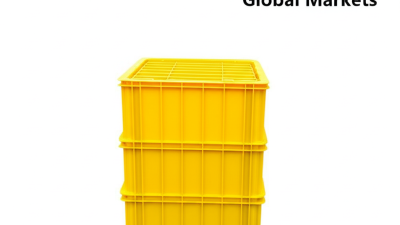
Hey there! In today’s super fast-paced manufacturing world, picking the right Parts Bin Mold is really important if you want to boost efficiency and keep your product quality top-notch. With everyone craving customized and reliable molding solutions these days, businesses like yours have to juggle a lot of things—think industry standards, export certifications, and all that new digital tech floating around. Here at Taizhou Huangyan Xintong Mold Co., Ltd., we totally get the unique needs across different industries—whether you’re in medical equipment, logistics, home furniture, or electrical appliances. Our focus on delivering high-quality, custom molding solutions really makes us a go-to partner for manufacturers looking to ramp up their production.
So, in this guide, we’re diving into all the key factors to think about when selecting the perfect Parts Bin Mold that fits your specific manufacturing needs. Trust me, this will keep your business competitive and compliant in this constantly changing market!
Factors to Consider When Selecting a Parts Bin Mold for Manufacturing
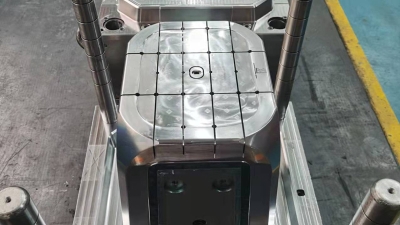
Choosing the right parts bin mold for your manufacturing processes? It's pretty important to keep a few key things in mind! First off, the material of the mold really matters—it can totally affect how durable and functional it is. You’ll usually find molds made from aluminum or steel, and each one has its own pros and cons in terms of strength, thermal conductivity, and cost. Think about how you're planning to use it and what kind of load it needs to handle; that’ll help you figure out which material can stand up to your specific manufacturing demands.
Next up, let’s talk size and design. You want to pick a mold that not only fits your parts like a glove but also helps keep your production line running smoothly. Sometimes, you might need to get a bit creative and go for customizable options to fit those unique part shapes or sizes. And don’t forget about how easy it is to get to those bins during production! An ergonomically designed mold can really boost your workflow and save you a bunch of time when grabbing parts. So, yeah, give these factors some thought, and you’ll be on your way to picking the perfect parts bin mold that works just right for your needs!
Understanding Different Types of Molds and Their Applications
So, when you're picking out a parts bin mold for manufacturing, it’s super important to really get a handle on the different types of molds out there and what they’re good for. I mean, there’s this report from Markets and Markets that says the global injection mold market is set to hit a whopping $16.6 billion by 2026! That really shows how crucial it is to choose the right mold for the job at hand. Now, let’s talk about the most popular types of molds: you’ve got injection molds, compression molds, and blow molds. Each of them has its own perks depending on what material you’re using and how you want the final product to look.
Take injection molds, for example. They’re perfect for cranking out a ton of detailed parts that need to fit just right. You’ll find them everywhere, from cars to the latest gadgets. On the flip side, compression molds tend to be the go-to for larger, simpler pieces—like those you’d see in rubber or thermosetting plastics. And then there’s blow molds, which are mainly used for making hollow stuff, like bottles and containers. As manufacturing keeps on evolving, it’s really key for businesses to stay up to date on the uses and benefits of these molds if they want to boost productivity and keep costs down.
Key Features to Look for in a High-Quality Parts Bin Mold
Choosing the right parts bin mold? It's super important to pay attention to a few key features that can really make a difference in both durability and efficiency in your manufacturing. One big thing to think about is what the mold is made of. You’ll find that high-quality molds are often crafted from steel or top-notch aluminum. These materials not only help the mold last longer but also enhance the precision of the parts you’re producing. In fact, there’s a report from the American Mold Builders Association that points out using better materials can actually boost mold lifespan by as much as 50%. That’s a huge win when you look at the costs in the long run!
And let’s not forget about the mold design; it’s super crucial for how well it works. You’ll want to look for molds with consistent wall thickness and nifty drain channels. These features help ensure that the material flows evenly, which means fewer defects. A study by the Society of Plastics Engineers even found that well-designed molds can speed up cycle times by about 20%. That’s pretty impressive, right? It means you can get a quicker turnaround and improve your production efficiency.
A few tips: Always ask for samples or prototypes before you make your decision; you really want to check out how the mold performs first. Plus, keep in mind the mold’s ability to adjust to changes in production volume. Versatile molds are definitely a smart investment since they can adapt to whatever your manufacturing needs are down the line.
The Role of Material Selection in Mold Durability and Performance
Alright, so when you're picking out a parts bin mold for manufacturing, one of the key things you really want to think about is the material you’re going to use. The material can seriously affect how long the mold lasts and how well it performs. I mean, if you get high-quality materials, they can really stand up to the wear and tear of being used over and over again, which is great for keeping your production cycles running smoothly. Take steel molds, for example. They’re known for being super strong and lasting a long time, making them perfect for those big production runs since they handle the rough stuff way better than softer materials. On the flip side, if you're dealing with shorter runs, aluminum molds might be the way to go since they’re lighter and heat up faster, but hey, you might have to swap them out more often.
But it’s not just about durability; the material you choose also impacts the quality of the final product. Like, if you go with materials that give a nice, smooth finish, it cuts down on post-processing and keeps the molded parts in great shape. Plus, the thermal properties of the mold material matter a lot too; they influence cooling times and, in turn, how efficient your production is. So, manufacturers really have to juggle things like cost, how much they're producing, and the finish quality they want, all while considering what each material can bring to the table to nail down the best option for their specific needs. Getting a grip on these details is super important if you want to get the best bang for your buck with mold-making.
The Ultimate Guide to Choosing the Best Parts Bin Mold for Your Manufacturing Needs
| Material Type | Durability (Cycles) | Temperature Resistance (°C) | Cost per Mold ($) | Best Application |
| Steel | 500,000 | 300 | 2000 | Heavy-duty Parts |
| Aluminum | 300,000 | 250 | 1500 | Lightweight Components |
| Plastic | 100,000 | 120 | 500 | Consumer Goods |
| Copper | 150,000 | 200 | 1800 | Electronic Components |
Cost-Effectiveness vs. Quality: Finding the Right Balance in Mold Choices
So, when you're picking a parts bin mold for manufacturing, you've really got to find that sweet spot between cost and quality. I mean, keeping costs down is super important to make sure your budget doesn’t go haywire, especially with production demands always looming. But let's be real—cutting corners on quality can end up biting you in the long run. If you settle for a subpar mold, you might find yourself dealing with a bunch of defects and expensive rework down the line. Sure, going for a pricier, higher-quality mold might hit you hard in the wallet up front, but it usually pays off with better durability and a longer life span, meaning fewer repairs and replacements over time.
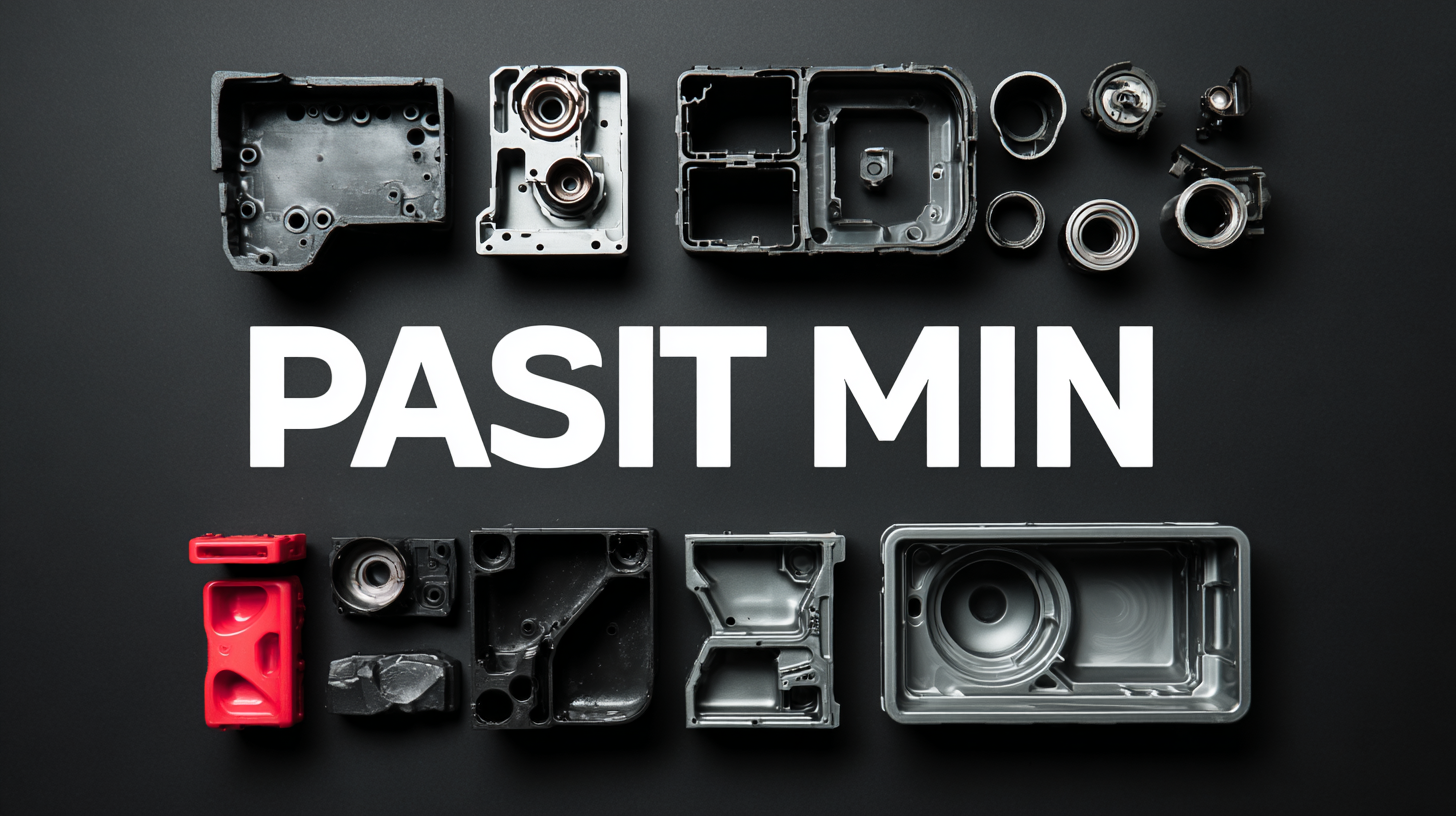
As manufacturing needs shift and change, there are loads of molds out there that fit all sorts of specifications. It’s crucial to take a good look at what you really need—think about how much you plan to produce, what materials you’re using, and how complex the parts are that you're making. Sometimes, a mold that seems like a splurge at first could actually save you money in the long run, especially if it boosts productivity and cuts down on waste. By weighing both the costs and the quality of your mold choices, you can make smart decisions that really align with your goals.
Tips for Collaborating with Manufacturers for Custom Mold Solutions
So, when you're diving into manufacturing parts bins, picking the right mold manufacturer is a game changer for both efficiency and quality. Believe it or not, a recent report from the Association for Manufacturing Technology showed that almost 40% of manufacturers struggle with custom mold specs. That just goes to show how important it is to have clear conversations and strategic partnerships! Teaming up closely with your mold provider can really streamline the customization process, making sure the final product hits all your specific details just right.
**Tip 1:** Start with some real talks about what you’re trying to achieve with your project. Be upfront about how long you expect your product to last, the materials you're considering, and how much you plan to produce. This kind of clarity helps manufacturers recommend the best mold solutions for you. The Moldmaking Technology report also hints that good planning can cut production time by almost 30%. That’s a pretty big win for overall efficiency!
**Tip 2:** Don’t skip the prototyping and testing phases! Before you seal the deal on a custom mold, it’s super helpful to ask for prototypes. This lets you check out the design and functionality, and make tweaks along the way. It’s all about achieving that perfect mold that suits your production needs. According to the latest insights from Market Research Future, getting prototyping just right can help cut down on material waste and boost cost efficiency by around 25%.
So, in the end, building a solid partnership with your mold manufacturer isn't just about contracts and orders; open communication and smart planning are key! This is how you can tackle industry hurdles and really shine in manufacturing excellence.
Exploring the Growing Demand for Durable Customizable Trash Bin Molds: Insights from the Latest Waste Management Industry Reports
The growing demand for durable and customizable trash bin molds is substantially transforming the waste management landscape, underscoring a shift towards sustainability and efficiency. Recent reports from the waste management industry indicate that the market for waste containers is expected to witness a compound annual growth rate (CAGR) of around 5% over the next five years, driven by increasing urbanization and environmental awareness. As cities expand and waste generation soars, the need for robust, high-performance trash bins becomes evident.
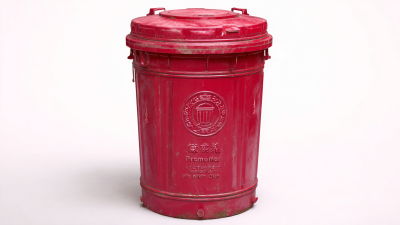
Our dustbin molds are at the forefront of this trend, engineered to produce not only plastic but also metal trash bins that excel in durability and functionality. Utilizing advanced injection molding and blow molding technologies, these molds facilitate the consistent and defect-free production of dustbins in diverse sizes, shapes, and capacities. According to industry experts, the plastic waste management segment alone accounts for approximately 40% of the total waste market, further emphasizing the necessity for molds that can cater to varying requirements in household, commercial, and industrial settings.
Moreover, customization is increasingly becoming a critical factor for manufacturers. Recent statistics reveal that nearly 60% of businesses prefer adaptable waste solutions tailored to their specific needs. Our customizable dustbin molds provide the flexibility required to meet these demands while ensuring compliance with sustainable practices, positioning businesses to better handle the complexities of waste management in an evolving market.
FAQS
: Critical factors include the material of the mold, size and design, intended application, load capacity, and ease of access during production.
Common materials include aluminum and steel, each providing different levels of strength, thermal conductivity, and cost-effectiveness.
Choosing the right size and design ensures the mold fits the parts perfectly, maximizes production efficiency, and enhances workflow during retrieval of parts.
The most common types of molds are injection molds, compression molds, and blow molds, each serving different manufacturing needs and applications.
Injection molds are widely used in industries such as automotive and consumer electronics for high-volume production of intricate parts with tight tolerances.
Compression molds are generally used for producing larger, simpler components, particularly in the rubber and thermosetting plastic sectors.
Blow molds are predominantly used for creating hollow products such as bottles and containers.
Understanding the various mold types and their applications helps businesses optimize production efficiency and reduce costs by selecting the appropriate mold for their specific needs.
The projected market growth, expected to reach $16.6 billion by 2026, highlights the increasing importance of selecting the right mold type for diverse manufacturing needs.