When it comes to industrial filtration, picking the right Filter Plate Mold isn’t just about ticking boxes — it seriously impacts how well your system works and the quality of your final product. Experts like Dr. John Matthews, who's pretty much a go-to guy in filtration tech, always stress how important it is to make smart, informed choices. He puts it quite simply: "The right Filter Plate Mold not only boosts performance but can also cut down on your operational costs — it’s a win-win."
Now, if you’re trying to decide which mold is best for your setup, don’t just go with the first thing you see. Think about your specific needs and what you’ll be using the molds for. Things like whether the material fits your system, the mold’s design, and how well it filters — all that stuff really matters. And here’s a little secret: customizing molds can actually make a huge difference, so paying attention to those details can really pay off.
Technology’s been moving fast, too, bringing in new mold designs that can handle all sorts of industrial demands. Choosing wisely isn’t just about getting good results right now — it’s about setting yourself up for the long haul, especially with all the fierce competition out there. In this guide, I’ll walk you through some key tips to help you make sense of this whole Filter Plate Mold world so you can pick the best option for your business and goals.

Understanding the Importance of Filter Plate Molds in Filtration Systems
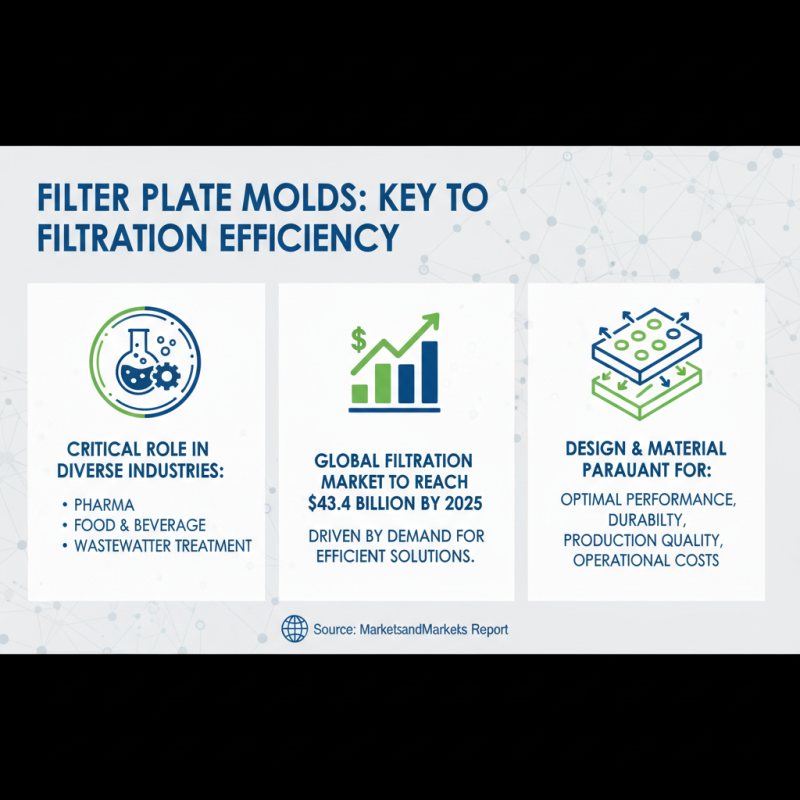
Filter plate molds play a critical role in the efficiency and effectiveness of filtration systems across various industries, including pharmaceuticals, food and beverage, and wastewater treatment. According to a report by MarketsandMarkets, the global filtration market is projected to reach USD 43.4 billion by 2025, indicating a growing demand for efficient filtration solutions. The design and material selection of filter plate molds are paramount in ensuring optimal filtration performance and durability, which directly impacts production quality and operational costs.
When selecting the right filter plate mold, consider the specific filtration requirements of your application. Factors such as pore size, flow rate, and chemical compatibility are crucial. For instance, using stainless steel molds can enhance the longevity of the equipment when handling corrosive substances. Additionally, understanding the intended operating conditions—such as temperature and pressure—is essential in choosing a mold that will withstand the rigors of your filtration processes.
Tip: Always request samples or prototypes of filter plate molds before finalizing your order. This allows for practical testing under actual operating conditions, ensuring they meet your filtration standards.
Tip: Collaborate with industry experts or conduct a thorough review of case studies related to filter plate molds in your specific sector. This can provide valuable insights into best practices and help you avoid common pitfalls during the selection process.
Key Factors to Consider When Selecting Filter Plate Molds
When selecting a filter plate mold, there are several key factors to consider that can significantly impact performance and efficiency. Firstly, understanding the specific application requirements is crucial. The type of material being filtered, the desired filtration rate, and the working environment can all influence the design and features needed in a filter plate mold. It's essential to assess these factors to ensure that the mold can withstand the operational demands and deliver optimal performance.
Another important consideration is the compatibility of the filter plate mold with existing equipment. Ensuring that the mold fits seamlessly into the current setup can help avoid operational disruptions and reduce the need for additional modifications. Additionally, examining the material of the mold itself is vital; it should be durable enough to handle the stresses of continuous use while also being resistant to corrosion or degradation from the substances it will come into contact with. This holistic approach to selecting the right filter plate mold can enhance both productivity and longevity, ensuring that it meets the particular needs of your filtration process.
Material Options for Filter Plate Molds: Pros and Cons
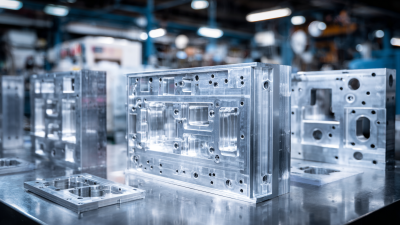
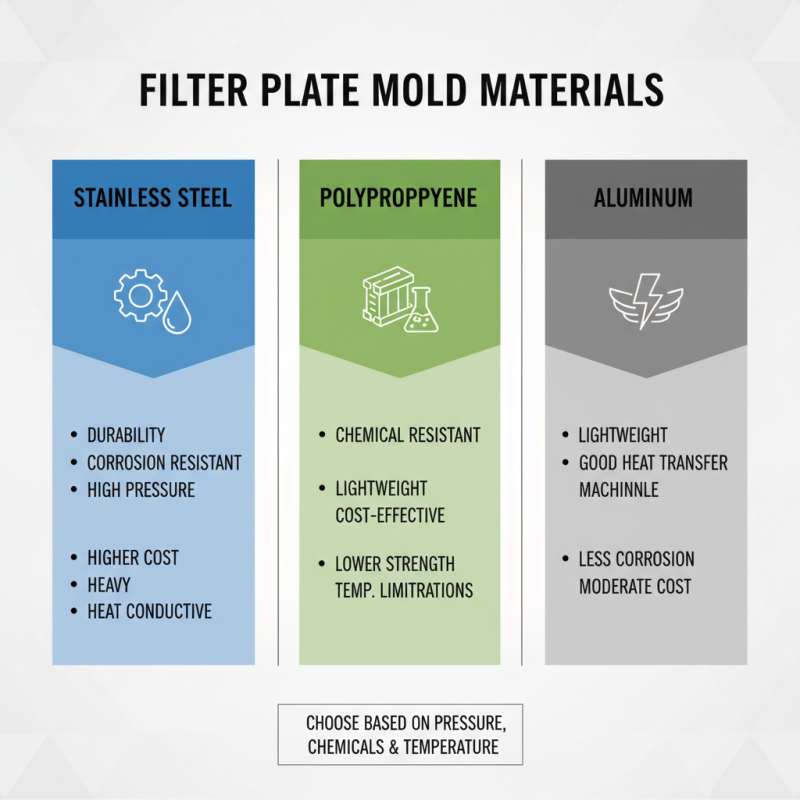
When selecting a filter plate mold, the material used is a critical factor that can significantly impact performance and longevity. Common options include stainless steel, polypropylene, and aluminum, each offering distinct advantages and drawbacks. Stainless steel is renowned for its durability and resistance to corrosion, making it ideal for high-pressure applications. However, its higher cost and weight can be limiting factors for some users. Moreover, stainless steel molds can conduct heat, affecting the temperature-sensitive processes.
On the other hand, polypropylene is a lightweight and cost-effective alternative that provides good chemical resistance and can be molded into complex shapes. However, it may not withstand high temperatures or extreme pressure as effectively as stainless steel. Aluminum, while also lightweight and offering good thermal conductivity, may be prone to corrosion unless adequately treated. Understanding these material properties allows users to weigh the pros and cons based on their specific filtration needs and operational conditions, ultimately guiding them towards the most suitable mold choice.
Design Specifications: How to Match Molds to Your Equipment
When selecting a filter plate mold, understanding the design specifications that align with your equipment is crucial. Start by assessing the machinery you are using. Different systems have specific requirements regarding dimensions, material compatibility, and mounting options. For instance, the thickness and size of the mold must match the filter press or system setup to ensure proper sealing and function. Accurate measurements are vital, as even slight discrepancies can lead to inefficient filtration processes.
Moreover, consider the material properties of the mold itself. Depending on the nature of the application, you may need a filter plate that offers resistance to chemicals, temperature fluctuations, or mechanical stress. An ideal design should not only fit the existing equipment but also withstand the operational challenges it may face. Reviewing technical specifications such as pore size and distribution will further guide you in selecting a mold that optimizes filtration efficiency and enhances overall productivity in your workflow.
Evaluating Manufacturer Reputation and Experience
When selecting a filter plate mold, the manufacturer's reputation and experience should be key factors in your decision-making process. A reputable manufacturer is likely to have a long track record of producing high-quality products, which can be critical for ensuring the durability and efficiency of the filter plates. Checking for industry certifications, customer reviews, and case studies can provide valuable insights into the reliability and reputation of the manufacturer. A strong reputation often reflects a commitment to quality and customer satisfaction, making it an essential criterion for your selection.
Experience in the industry is equally important. Manufacturers with extensive experience are more likely to possess in-depth knowledge of the materials and technologies involved in filter plate mold production. This expertise can lead to better design, improved performance, and increased innovation. Additionally, an experienced manufacturer is often more adept at troubleshooting and providing support during the selection and utilization phases. By prioritizing manufacturers with a solid reputation and substantial experience, you can ensure that your filtering needs are met with the highest standards of quality and service.
Cost Analysis: Budgeting for Your Filter Plate Mold Purchase
When budgeting for a filter plate mold purchase, it is essential to consider various cost factors that can significantly influence the overall investment. Industry reports indicate that the initial purchase price constitutes only a portion of the total cost of ownership. For instance, according to a recent market analysis by Smithers Pira, operational costs, including maintenance, energy consumption, and replacement parts, can account for up to 60% of the total lifecycle costs of the mold. Thus, organizations should prioritize quality and durability to minimize long-term expenses.
In addition to direct costs, companies must also factor in potential downtime associated with inefficiencies or malfunctions of cheaper molds. Research from the Mold Manufacturing Association suggests that production downtime can cost manufacturers more than $1,000 per hour in lost revenue. Therefore, investing in a filter plate mold that fits specific needs not only ensures reliability but also contributes to enhanced productivity and reduced operational costs. Taking these elements into account will help businesses make informed decisions, ensuring that their filter plate mold investment aligns with both short-term budgets and long-term performance goals.
Essential Tips for Choosing the Right Filter Plate Mold for Your Needs - Cost Analysis: Budgeting for Your Filter Plate Mold Purchase
| Parameter | Description | Estimated Cost (USD) | Lead Time (Weeks) |
| Material Type | Stainless Steel | $2,500 | 4 |
| Number of Cavities | 4 Cavities | $3,200 | 5 |
| Size | Standard Size (10x10) | $2,000 | 3 |
| Customization Level | Fully Customized | $4,500 | 6 |
| Maintenance Requirements | Low Maintenance | $1,800 | 2 |
Maintenance and Longevity: Ensuring Optimal Performance Over Time
When it comes to filter plate molds, ensuring their maintenance and longevity is crucial for optimal performance over time. Regular cleaning and inspection should be a part of your routine to prevent build-up that can lead to inefficiency and potential damage. By utilizing appropriate cleaning agents and techniques tailored to the material of the mold, users can significantly extend the life of their equipment. The inspections should focus on identifying wear and tear, any signs of corrosion, and the overall integrity of the mold, which can help preempt costly replacements.
Additionally, proper storage of filter plate molds plays a vital role in maintaining their functionality. Keeping the molds in a controlled environment away from extreme temperatures and humidity levels minimizes the risk of deterioration. Using protective covers can also prevent dust accumulation and other contaminants that could compromise performance. Moreover, training staff on best practices for handling and operating the molds can lead to more careful usage, reducing the likelihood of accidental damage. By prioritizing these maintenance strategies, users can ensure that their filter plate molds perform optimally and have a prolonged lifespan.
Maximize Your Vehicle's Cleanliness: The Essential Guide to Multi-Purpose Heavy-Duty Car Wash Floor Mats
Maintaining a clean vehicle is not only about aesthetics; it's integral to preserving its value and ensuring a safe driving experience. Multi-purpose heavy-duty car wash floor mats play a crucial role in maximizing your vehicle's cleanliness. These mats are designed to handle the rigors of water, oil, and rigorous cleaning processes while providing a protective barrier against dirt and grime. According to a recent industry report, the demand for durable and effective car wash solutions has increased by over 25% in the past five years, showcasing the importance of reliable products in vehicle maintenance.
Our car wash mat mold, made from high-strength ABS/PP plastic or recyclable rubber, stands out for its exceptional durability. This material ensures resilience against prolonged exposure to harsh substances while retaining its shape, making it ideal for both DIY enthusiasts and commercial applications. In a world where vehicle maintenance is becoming increasingly sophisticated, utilizing long-lasting, effective mats can greatly facilitate the cleaning process. Studies show that vehicles regularly cared for with high-quality materials can maintain their resale value significantly better than those that are not, proving that investing in the right tools is essential for any vehicle owner.
Moreover, with advancements in materials technology, today's car wash mats are designed to withstand heavy pressure and repeated use. This not only saves money over time but also aligns with sustainability trends as many are made from recyclable materials. As vehicle owners increasingly seek eco-friendly solutions, multi-purpose heavy-duty floor mats emerge as a perfect choice for maintaining cleanliness while contributing to a more sustainable future in auto care.
FAQS
: Assess the machinery you are using, including specific requirements related to dimensions, material compatibility, and mounting options. Ensure the mold's thickness and size match the system setup for proper sealing and function.
Even slight discrepancies in measurements can lead to inefficient filtration processes, so precise measurements are crucial for optimal performance.
Depending on the application, consider materials that offer resistance to chemicals, temperature fluctuations, and mechanical stress to ensure durability and effective operation.
Look for industry certifications, customer reviews, and case studies that reflect the manufacturer’s track record for producing high-quality products.
Experienced manufacturers possess in-depth knowledge of materials and technologies, leading to better design, improved performance, and innovation in their products.
Regular cleaning, inspection for wear and tear, and storing in a controlled environment are essential for maintaining functionality and extending the lifespan of the molds.
Use protective covers to minimize dust accumulation and keep molds away from extreme temperatures and humidity levels to reduce the risk of deterioration.
Training staff on best practices for handling and operating the molds can lead to more careful use, reducing the likelihood of accidental damage.
Reviewing specifications such as pore size and distribution can guide your selection process, ensuring optimal filtration efficiency and productivity in your workflow.
Regular inspections help identify signs of wear, corrosion, and overall mold integrity, allowing for preventative measures that can avoid costly replacements.
Conclusion
Choosing the right Filter Plate Mold is crucial for optimizing filtration systems in various applications. Understanding the importance of these molds involves considering several factors, including material options, design specifications, and the equipment they will be used with. Different materials offer unique advantages and disadvantages, making it essential to evaluate them based on the specific requirements of your project.
In addition to material considerations, assessing the reputation and experience of manufacturers can significantly impact the quality and longevity of your filter plate molds. Budgeting for these molds is another vital aspect, as it ensures that you can secure the necessary specifications without compromising on quality. Proper maintenance and an awareness of their durability will help ensure optimal performance over time, making it imperative to select a filter plate mold that meets both your operational needs and financial constraints.