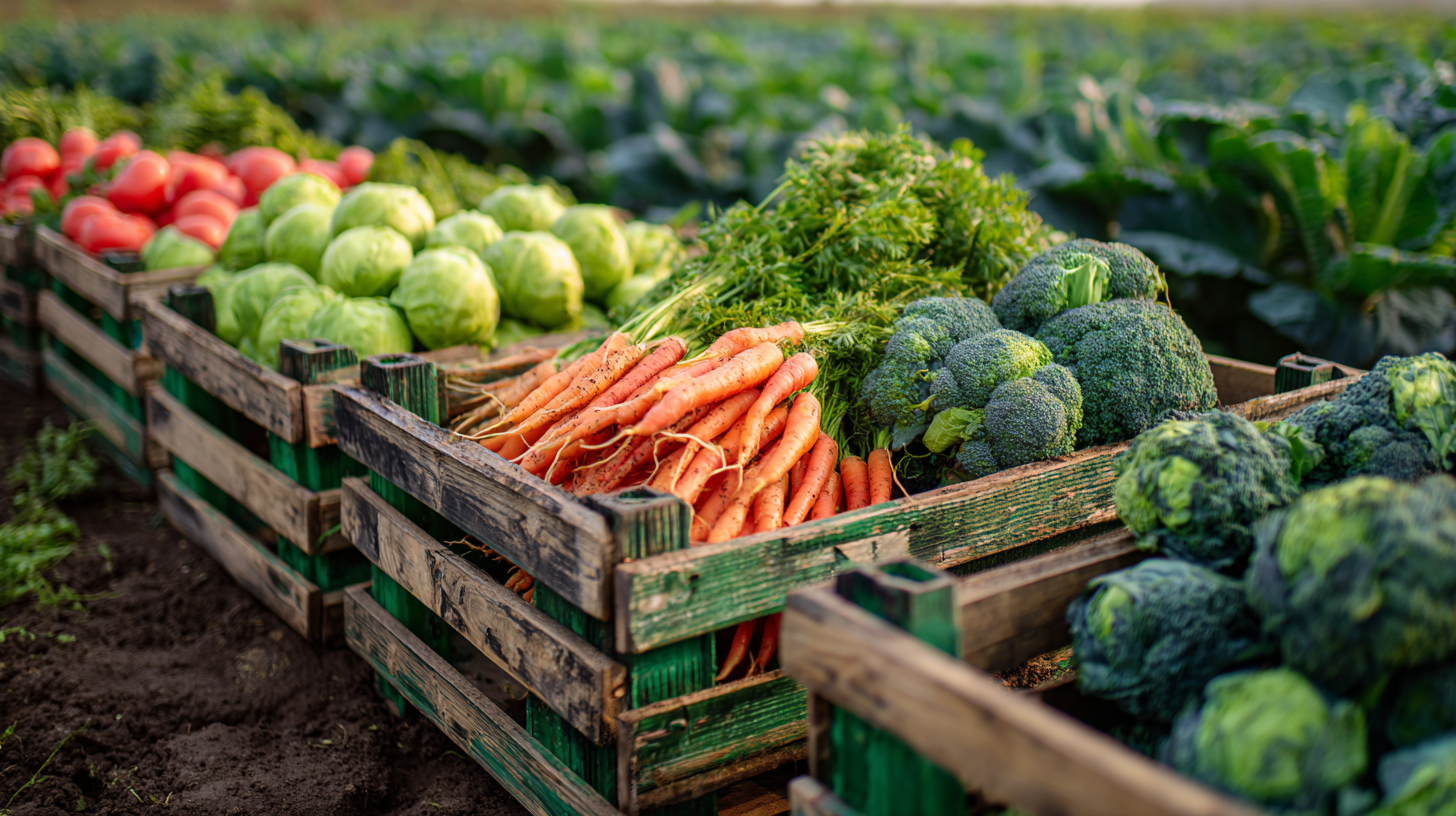
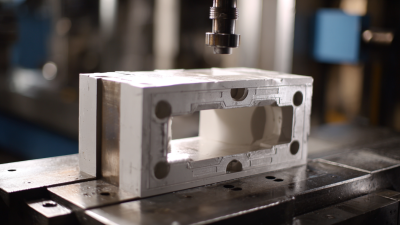
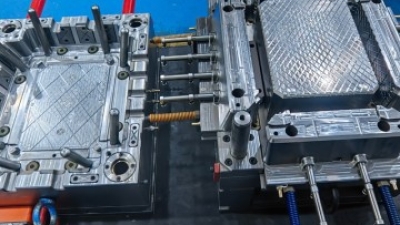
When we talk about pushing for more sustainable farming practices, one thing that often gets overlooked is the importance of good packaging solutions. For example, vegetable and fruit Crate Molds—these might sound pretty technical, but they actually make a big difference. Not only do they help with storing and shipping fresh produce more efficiently, but they also support eco-friendly efforts. At Taizhou Huangyan Xintong Mold Co., Ltd., we’re passionate about designing and making top-notch molds that serve the needs of a wide range of industries. Our team specializes in crafting custom solutions, ensuring that your packaging is durable, reliable, and eco-conscious. Incorporating these vegetable and fruit crate molds into the agricultural supply chain can really cut down on waste and make it easier to support local markets. This guide’s here to highlight all the benefits these molds bring to the table—and how they play a crucial role in encouraging sustainable practices across farming and produce distribution.
Choosing the Right Vegetable Fruit Crate Moulds for Your Farm Needs
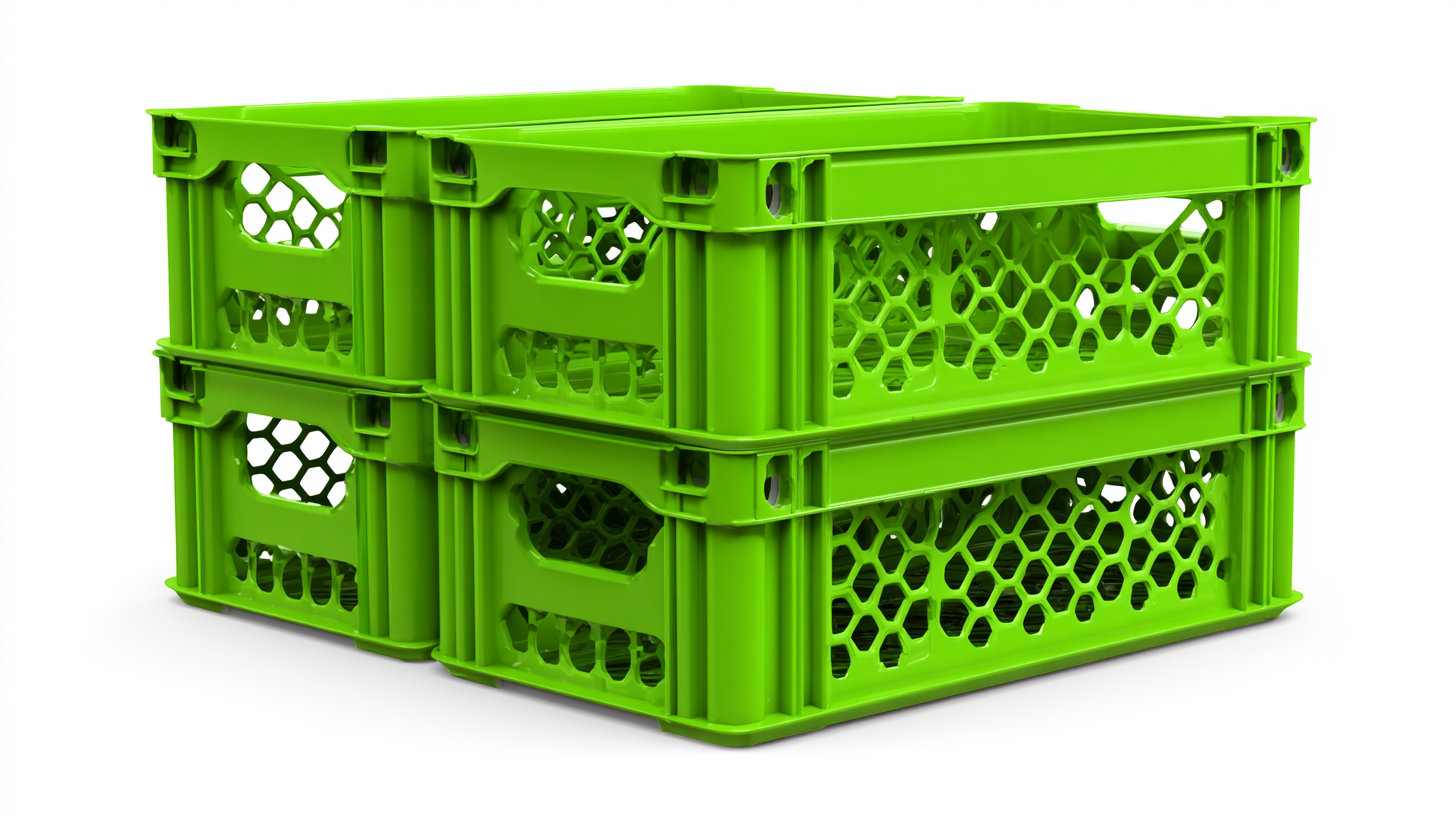
Choosing the right vegetable and fruit crate molds is super important if you want to get the most out of your farming and keep things eco-friendly. When you're picking out molds, don’t forget to think about the materials—they’re often better if they’re biodegradable or recyclable, which helps cut down on environmental impact. Also, make sure the size and shape of the crates match your crops—they should make harvest and storage easy, without risking any damage.
Here’s a little tip: check how much the molds weigh and whether they're sturdy enough to handle your farm work. It’s really convenient when they have good ventilation, so your fruits and veggies don’t spoil as quickly. And if you’re working with limited space, go for stackable molds — they can save a lot of room during transport.
Oh, and don’t forget about cleaning! Pick molds that are easy to wash and maintain. Sanitizing them regularly helps prevent disease spread among your crops. Investing in good, sustainable molds isn’t just better for the environment—it also means healthier produce. And happier farmers and consumers, too. Trust me, it’s worth putting a little thought into these choices!
Exploring the Materials and Design Features of Sustainable Crate Moulds
You know, sustainable crate molds are becoming pretty much essential in today’s farming world, especially when it comes to handling and shipping vegetables and fruits. They’re usually made from eco-friendly stuff like recycled plastics, biodegradable composites, or sustainably sourced wood. Using these materials isn’t just good for the environment—it also cuts down on the carbon footprint tied to making these crates. Plus, these molds tend to be really durable, able to handle the rough and tumble of transportation. When farmers go for sustainable options, they're really doing their part in supporting a circular economy—meaning resources get reused, and waste is kept to a minimum.
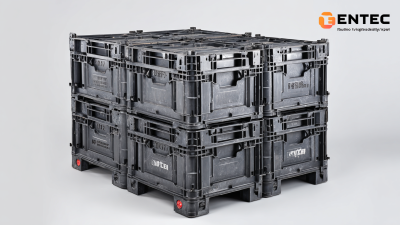
But it’s not just about what they're made of. The actual design of these crate molds makes a big difference, too. A lot of them are crafted to be lightweight but sturdy, so they’re easy to handle but still protect the produce inside. Some of the smarter designs include little ventilation holes to help air circulate—this helps keep fruits and veggies fresh for longer and reduces spoilage. And, a neat feature we see more often now is stackability, which makes storage in warehouses or during transit way more efficient. All in all, combining eco-friendly materials with smart design really makes these vegetable and fruit crate molds a key part of farming that’s both sustainable and practical.
Understanding the Benefits of Using Vegetable Fruit Crate Moulds for Sustainable Agriculture Practices
| Feature | Description | Benefits | Sustainable Materials |
| Durability | Designed to withstand harsh weather conditions | Reduces replacements and waste | Recycled plastics, bamboo |
| Design Features | Stackable and space-efficient | Enhances storage and transport efficiency | Biodegradable polymers |
| Manufacturing Process | Using eco-friendly production methods | Minimizes environmental impact | Natural fibers, recycled materials |
| Cost-Effectiveness | Long-lasting and reusable | Lowers overall agricultural costs | Sustainable composites |
| Versatility | Applicable for various types of fruits and vegetables | Meets diverse agricultural needs | Recyclable materials |
Maximizing Crop Yield Through Efficient Use of Crate Moulds
Using vegetable and fruit crate molds has really become a game-changer for farmers trying to boost their crop yields while keeping things sustainable. I mean, according to a report from the Food and Agriculture Organization (FAO), how you handle and transport your crops can actually impact your harvests by up to 30%. These specially designed crate molds for fruits and veggies not only help with better airflow but also cut down on bruising and spoilage during the trip from farm to market. That means farmers can keep their produce looking fresh and top-quality for a longer time.
Of course, there are a few things to keep in mind when bringing crate molds into your farming routine. For starters, picking molds that fit your specific crops can really cut down on post-harvest losses. For example, choosing mold sizes that are adjustable can help you handle different shapes and sizes of produce without a hitch. Also, rotating your crate molds regularly – like, not using the same ones nonstop – can actually improve crop management and make sure you're doing your part for the environment instead of overwhelming it.
There’s data showing that smart, sustainable practices—like making good use of these crate molds—can boost a farm’s profits by up to 20%. That’s pretty impressive! So, investing in this kind of technology isn’t just smart for your wallet; it’s also a solid step toward taking care of our planet. All in all, it seems like a no-brainer: better equipment, better yields, and a healthier earth.
Integrating Crate Moulds into Organic Farming Practices
You know, incorporating Crate Moulds into organic farming? It’s a pretty big step forward for sustainable agriculture. Recently, USDA rules have put a stronger focus on animal welfare in organic farms, which honestly lines up perfectly with the whole idea of sustainability. Farmers using Vegetable Fruit Crate Moulds can really boost how they store and transport their produce—while keeping things eco-friendly. It’s a win-win, especially considering that the number of organic farmers in the U.S. has tripled from 2021 to the end of 2024—that’s a clear sign folks are really leaning into more eco-conscious farming practices.
And, it’s worth mentioning how the conversation around gestation crates has evolved—banning them shows a real shift towards treating farm animals more humanely. The USDA’s updated animal welfare rules don’t just make organic certifications more trustworthy; they also give a boost to the market for ethically sourced products. With organic veggie supplies expected to tighten up this fall—pushing prices higher—using crate moulds can actually help organic growers stay efficient and keep things running smoothly. By blending innovations that care for both plants and animals, farmers are better prepared to face the changing world of organic farming and meet the growing demand for ethically produced food. It’s all about doing things better, you know?
Maintenance Tips for Longevity of Vegetable Fruit Crate Moulds
Veggie and fruit crate molds are pretty important when it comes to promoting sustainable farming practices. They help make production and storage much more efficient. But, to really get the most out of them, you gotta keep up with some basic maintenance. Regular cleaning is a must—just wipe them down with warm, soapy water to get rid of any gunk that could hide bacteria. Make sure to rinse them well and let them dry completely before putting them away, ’cause moisture stuck inside can lead to mold, which is no good.
Also, don’t forget to check on your molds now and then. Keep an eye out for any cracks, chips, or other damages. Even small imperfections can cause problems—they might make the molds less useful or even let bacteria in. If you spot any damage, it’s a good idea to repair or replace the mold to keep everything working smoothly. And when you’re storing them, pick a cool, dry spot, away from direct sunlight. Sunlight can break down the material over time and shorten their lifespan. Stick to these simple tips, and you’ll be able to keep your vegetable and fruit crate molds in great shape, making sure they stay a trusty part of your sustainable farming toolkit for longer.
Comparing Costs and Benefits of Crate Moulds vs. Traditional Packaging Methods
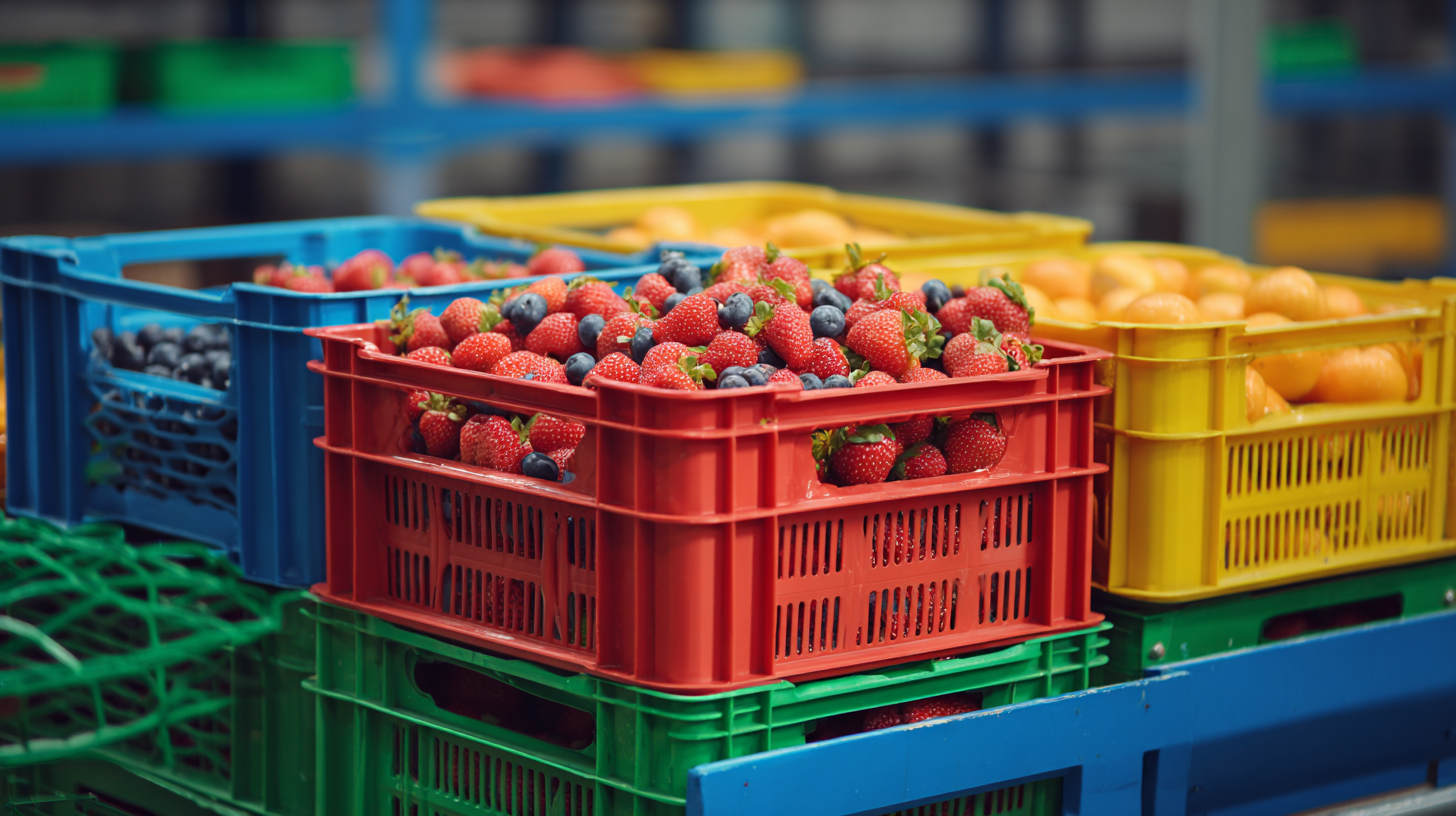
Lately, there's been a real shift towards more sustainable farming practices, and a lot of growers are rethinking how they package their produce. You know, traditional packaging often uses materials that aren't exactly eco-friendly — they end up as waste and kinda contribute to pollution. That's where vegetable and fruit crate molds come into play — they’re actually a pretty cool, innovative solution. They offer a sustainable alternative that can really cut down on environmental impact. Sure, at first, these crate molds might seem pricier, but considering how durable and reusable they are, you end up saving money in the long run. Definitely worth considering if you're a farmer looking to save some cash over time.
Here’s a little tip: teaming up with local suppliers to buy crate molds in bulk can really help cut costs. Plus, it supports the local economy and keeps things more sustainable — win-win, right?
Another perk is that crate molds improve airflow around your fruits and veggies during transport, which means less spoilage and fresher produce when it gets to market. That’s a big plus because it can boost your sales and bring in more revenue. Sure, traditional packaging might seem easier or more convenient upfront, but honestly, thinking long-term, switching to these eco-friendly crates makes a lot of sense in today’s market where everyone’s more conscious about sustainability.
And here’s something else to consider: try different mold designs and sizes to find what fits your crops best. It can really help optimize space and make transportation more efficient, which could mean even higher profits for you.
Innovative Solutions for Efficient Logistics: The Role of PP Plastic Boxes and Molds in Packaging Optimization
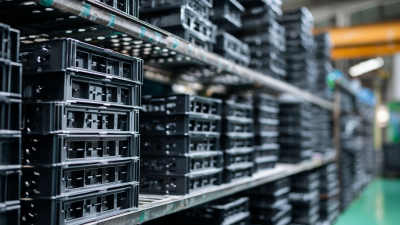
In the realm of logistics and shipping, efficiency is paramount. The use of PP plastic boxes and molds has emerged as an innovative solution to optimize packaging processes. These durable containers are designed to ensure the safe transportation of goods across various sectors, including warehouses, factories, and extensive supply chains. Their robust construction makes them ideal for handling bulk items such as fruits, vegetables, and industrial parts, significantly reducing the risk of damage during transit.
Not only do these PP plastic boxes enhance functionality in logistics, but they also serve an aesthetic purpose in retail environments. Their attractive design allows businesses to utilize these crates as rustic displays that can elevate the shopping experience. Supermarkets, in particular, benefit from using these boxes to organize produce and merchandise, creating an appealing and accessible layout for customers. By adopting innovative packaging solutions like PP plastic boxes, companies can streamline their operations while simultaneously enhancing their brand’s visual appeal.
FAQS
: Sustainable crate moulds are typically made from environmentally friendly materials such as recycled plastics, biodegradable composites, and sustainably sourced wood.
By using sustainable materials, the production of crate moulds minimizes waste and promotes resource reuse, thereby reducing the carbon footprint associated with traditional crate production.
Design features may include lightweight yet robust construction, ventilation holes for air circulation, and stackable designs that optimize storage efficiency, all of which contribute to better protection and freshness of produce during transport.
The efficient handling and transportation facilitated by crate moulds can influence yield by up to 30%, as they help reduce bruising and spoilage of fruits and vegetables.
Farmers should invest in moulds tailored for their specific crops and implement a systematic rotation of crate usage to maximize crop management and sustainability.
Sustainable practices like using crate moulds can increase a farm's profitability by up to 20%, as they improve product quality and reduce post-harvest losses.
While crate moulds may have a higher initial cost, their durability and reusability lead to long-term savings, reduced environmental impact, and enhanced product marketability compared to traditional packaging.
Yes, collaborating with local suppliers to purchase crate moulds in bulk can reduce shipping costs and support a local circular economy.
By experimenting with various mould designs and sizes, farmers can optimize space and improve transport efficiency, which can further increase their profit margins.
Conclusion
The article titled "Understanding the Benefits of Using Vegetable Fruit Crate Moulds for Sustainable Agriculture Practices" really highlights how important it is to choose the right crate moulds that suit your specific farm needs. It dives into the materials and clever design features that make these moulds sustainable, and how using them efficiently can actually help boost your crop yields. Plus, integrating these moulds into organic farming practices just takes sustainability a notch higher.
They also share some handy tips on how to maintain your vegetable and fruit crate moulds so they last longer—talk about saving money! Compared to the usual packaging methods, these moulds can be a more budget-friendly option in the long run. And with the skilled craftsmanship of Taizhou Huangyan Xintong Mold Co., Ltd., farmers can easily adopt these innovative and eco-friendly practices to support sustainable agriculture while also making their operations more efficient.
Overall, it’s about making smarter choices that benefit both the planet and your farm's productivity.