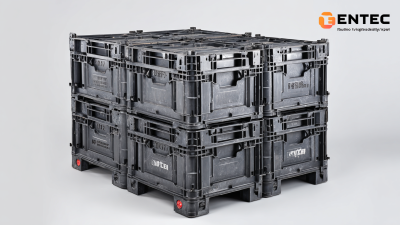
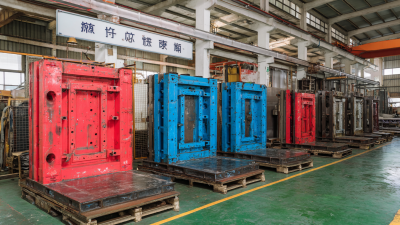
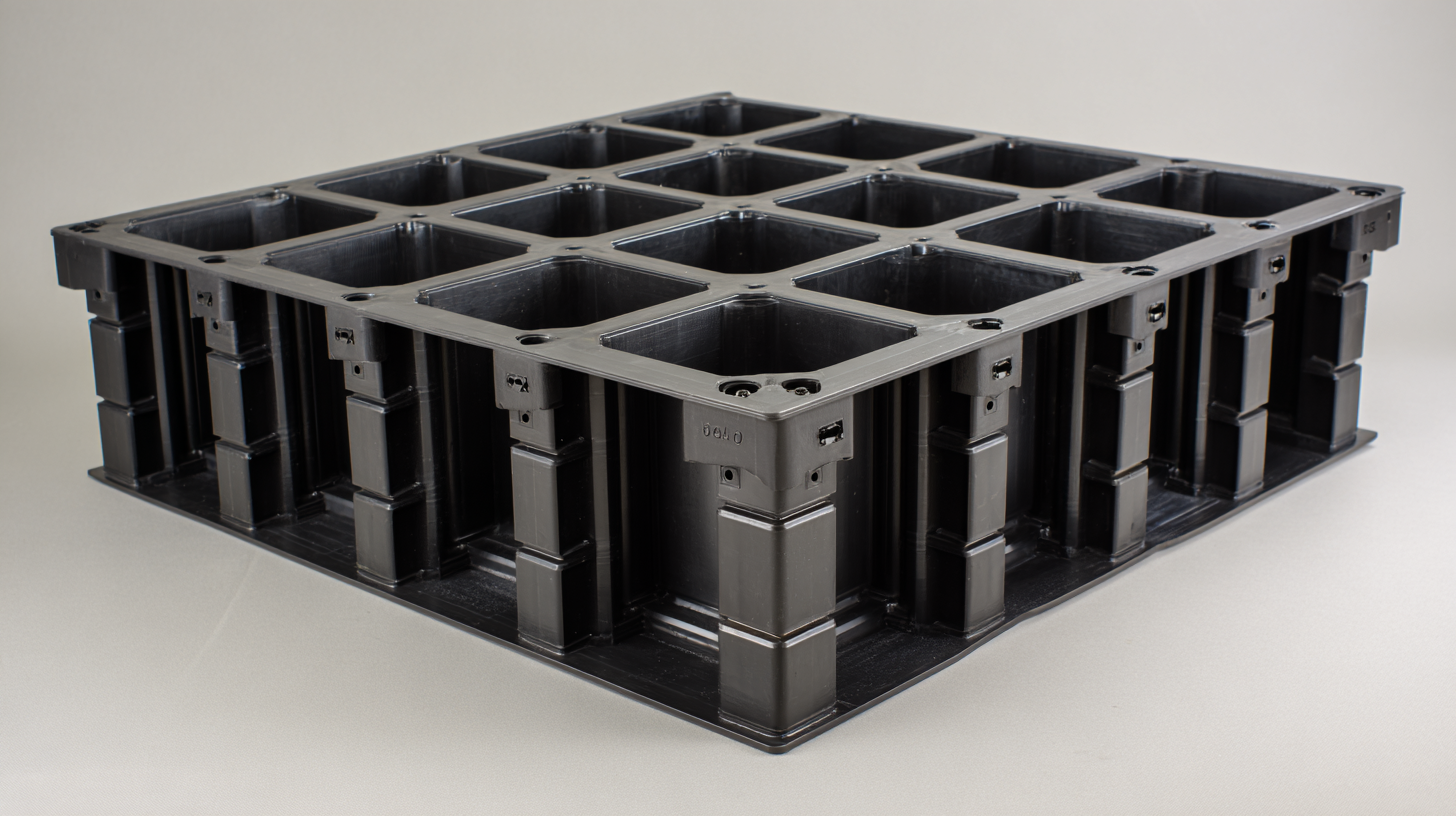
In today’s fast-changing manufacturing world, picking the right Rack Tray Molds is more important than ever if you wanna boost your production and keep quality up. It’s pretty interesting — a recent industry report predicts the global mold market could hit around USD 20 billion by 2026. That's mainly fueled by growing demand from sectors like medical devices, logistics, and home furniture. At Taizhou Huangyan Xintong Mold Co., Ltd., we totally get how important custom molding solutions are. Our experience covers a bunch of industries, including electrical appliances, so we know what works. This guide is gonna walk you through what to think about when choosing your rack tray molds — from their applications to the key features that’ll match your production needs. Basically, we want to help your business stay competitive in this ever-expanding market.
Understanding Rack Tray Molds: Key Features and Materials for Efficiency
When you're choosing rack tray molds for production, it's really important to get a good handle on their main features and materials. Trust me, knowing these can make a huge difference in how smoothly things run. I came across a detailed report from the Plastics Industry Association that pointed out how the kind of mold materials you pick can directly impact how fast you work, how precise your output is, and ultimately, the quality of the final product. For example, steel molds, although they tend to be pricier, are super tough and last a long time—perfect if you're running large volumes. On the flip side, aluminum molds are lighter and easier to machine, so they're great for quicker turnarounds or smaller batches.
The design of the rack tray molds also matters quite a bit. Features like easy ejection systems, good temperature controls, and smart drainage setups can really cut down cycle times and reduce waste. One survey from the American Society of Plastics Engineers actually found that molds with innovative design tweaks can cut cycle times by up to 30%, which means higher production rates without sacrificing quality. By understanding these key features, manufacturers can better choose what’s right for their needs, whether it's based on how much they produce, how complex the product is, or the materials involved. That way, they can meet their market demands more effectively.
The Complete Ultimate Guide to Choosing the Best Rack Tray Molds for Your Production Needs
Understanding Rack Tray Molds: Key Features and Materials for Efficiency
Analyzing Production Needs: How to Determine the Right Mold Specifications
When you're trying to pick the right rack tray molds for your production, it’s really important to understand exactly what your needs are. Start by thinking about the kind of products you're planning to make. Things like the size, weight, and what materials you'll be using can make a big difference. That way, you'll be able to narrow down the right mold specs for your line.
**Tip 1:** Take a good look at your entire production process—what materials you'll be working with, and what kind of equipment you have on hand. This will help you decide on the best mold material, whether it's aluminum, steel, or maybe a polymer. It’s all about making sure your chosen mold fits what you’re capable of handling.
Also, think about how much you’re planning to produce. If you’re aiming for high-volume runs, you'll probably want molds that are super durable and built to last. On the other hand, if you're just doing small batches, cheaper, more straightforward options might be enough. Keep in mind that more complex mold designs can slow things down a bit, but sometimes that’s necessary if your product needs certain features.
**Tip 2:** Don’t forget to chat with industry pros or your suppliers now and then. They often have the latest scoop on new tech and materials that could really give your production a boost. Working with them can give you fresh ideas and help you make smarter choices about your molds, ultimately making everything run more smoothly.
Cost vs. Performance: Evaluating the Return on Investment in Mold Selection
When you're choosing rack tray molds for your production, it really comes down to balancing what you spend and how well they perform. Modern manufacturing can get pretty complex, so it’s not just about the initial cost—it's also about the long-term return on investment. Sure, high-quality molds might cost more upfront, but they usually give you better performance, which means less downtime and more efficient production overall. Taking the time to evaluate your options like this can save you money in the long run and even boost your productivity.
At Taizhou Huangyan Xintong Mold Co., Ltd., we get how tricky mold choices can be across different industries—from medical devices to logistics and beyond. We’re here to help with tailored solutions that fit your specific needs. Investing in durable, high-performance molds can really give your business an edge and keep you competitive. In the end, picking the right mold isn’t just about saving money—it can totally transform your manufacturing process to be more cost-effective and sustainable.
Industry Standards and Certifications: Ensuring Quality and Compliance in Molds
So, when you're picking out rack tray molds for your production line, it’s super important to make sure they meet all industry standards and certifications. Trust me, this isn’t just bureaucratic paperwork — it’s what keeps the quality high and safety ensured. By the way, the global market for testing, inspection, and certification is booming! It’s expected to grow from around USD 399 billion in 2024 to nearly USD 499 billion by 2030. That really shows how much everyone’s leaning on certifications these days to guarantee product quality across different fields, including mold manufacturing.
And speaking of standards, if you’re a foreign manufacturer trying to enter markets like India, getting certified with BIS is a must. It’s basically your ticket to playing in the regulated spaces. This certification process helps you figure out exactly what sectors need compliance and guides you through the steps to meet those standards — kinda like having a clear roadmap. As safety and quality controls become even more strict, especially in sectors like food processing and healthcare, sticking to these rules isn’t optional anymore.
Oh, and here’s something interesting — the market for mold remediation services is expected to shoot up from about $1.2 billion in 2024 to $2.5 billion by 2033. That’s a clear sign that companies are taking quality control seriously now. It’s all about protecting both the manufacturing process and the end consumers. So, investing in good, compliant molds isn’t just smart — it’s essential for keeping everyone safe and the business running smoothly.
Common Pitfalls: Mistakes to Avoid When Choosing Rack Tray Molds
When you're picking out rack tray molds for your production line, a common mistake folks often make is underestimating just how important material compatibility really is. I remember reading in Injection Molding Magazine—yeah, that industry report—that almost 20% of delays come from using incompatible materials, which, let’s be honest, can cause defects and mess up your entire efficiency. So, I’d say, it’s worth taking the time to really consider how your chosen mold materials will work with your specific application. It can make a huge difference in the final quality and how smooth your process runs.
And here’s another thing—many people skip over properly assessing mold designs for maintenance ease. A study from the American Society of Mechanical Engineers found that a lot of companies overlook this, and it ends up costing them in downtime and repairs. My advice? Make sure your mold design makes it easy to clean and to swap out parts when needed. Doing regular maintenance checks can really save you from those unexpected stoppages that totally throw off your schedule.
**Quick tip:** Look into providers that offer customizable mold options—that way, you can better match your molds to what your production actually needs.
**And one more thing:** Always ask for samples and test them out before you commit. It’s such a simple step, but it really helps ensure the mold will do exactly what you need it to do without surprises down the line.
The Complete Ultimate Guide to Choosing the Best Rack Tray Molds for Your Production Needs - Common Pitfalls: Mistakes to Avoid When Choosing Rack Tray Molds
| Dimension | Value | Common Pitfalls |
| Material | Aluminum | Overlooking corrosion resistance |
| Tray Size | 24" x 18" | Choosing the wrong dimensions for your equipment |
| Weight Capacity | 500 lbs | Underestimating load requirements |
| Design Complexity | Moderate | Ignoring ease of cleaning |
| Durability | 5 years | Neglecting warranty options |
| Cost | $150 per unit | Focusing solely on initial costs |
Future Trends in Mold Technology: Innovations Impacting Production Efficiency
As manufacturing keeps evolving, mold technology is becoming a real game-changer when it comes to boosting production efficiency. One of the coolest trends right now is the move towards smart manufacturing solutions, especially those that incorporate IoT (Internet of Things). These molds now come with sensors that give us real-time updates on things like production speed, temperature, and other important factors. That kind of connectivity means manufacturers can make quick adjustments on the fly and even predict when maintenance might be needed—saving lots of downtime and helping to keep product quality high.
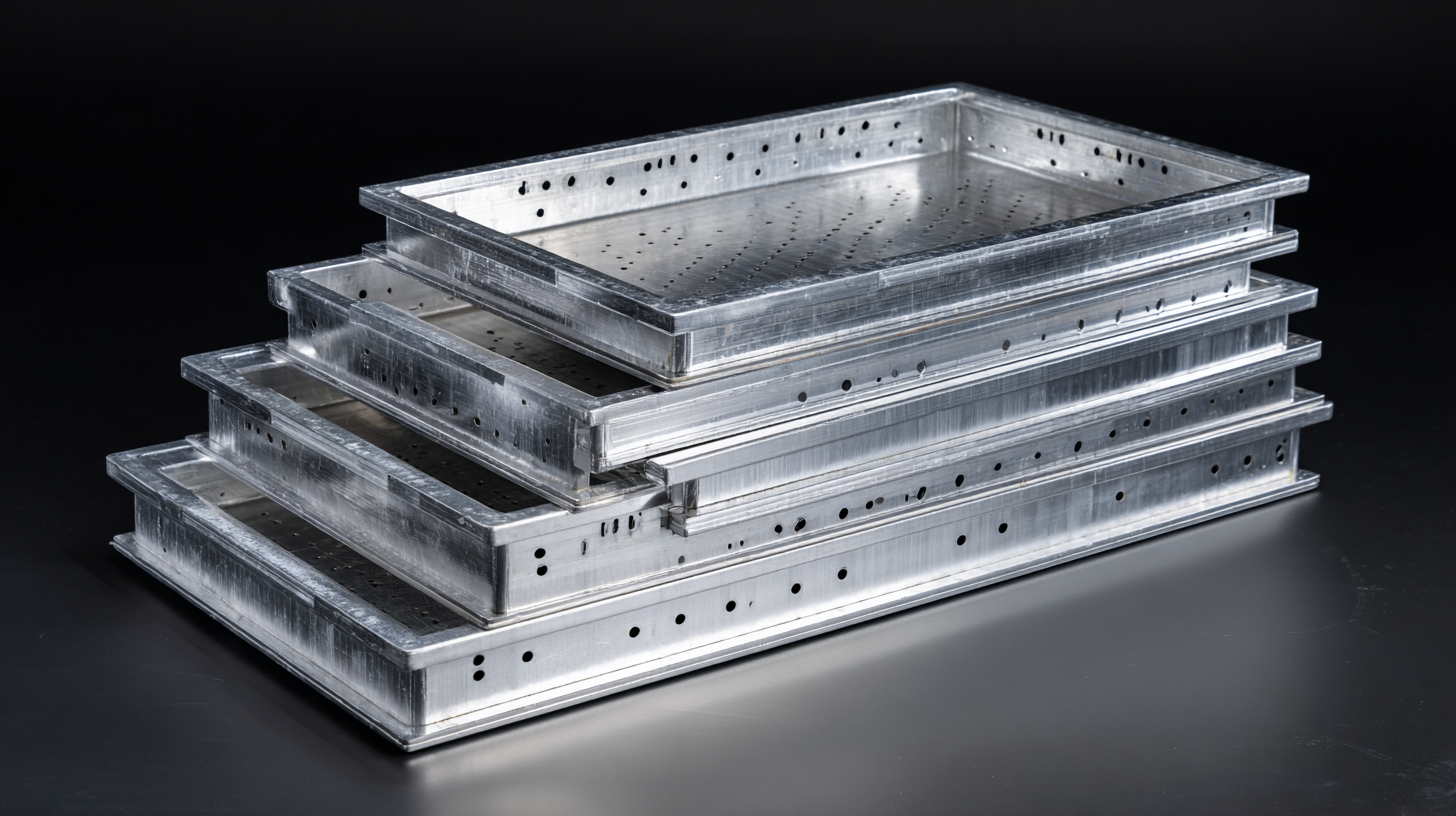
On top of that, there's some pretty exciting stuff happening with advanced materials in mold design. For example, using lightweight materials like carbon fiber composites can really cut down on the weight of molds, which means faster production times and less energy used. Plus, 3D printing is totally changing the game for mold creation. It allows for more complex designs and speeds up prototyping, so companies can react faster to what the market wants and customize products without the usual delays of traditional mold production. All these innovative techs together are really pushing efficiency and making manufacturing more adaptable — helping companies stay competitive in today’s fast-changing world.
FAQS
: Analyzing production needs allows you to understand specific requirements such as product dimensions, weight capacity, and material compatibility, which are crucial for narrowing down the right mold specifications.
Evaluate the materials you'll be using and the equipment available to inform your choice of mold material, ensuring it aligns with your operational capabilities.
High-volume production may require more durable molds designed for longevity, while low-volume runs might benefit from cost-effective options, influencing mold design efficiency.
Industry experts and suppliers can provide valuable insights into emerging technologies and innovative materials, enhancing the decision-making process and optimizing production efficiency.
Balance the upfront costs with the long-term return on investment (ROI); high-quality molds might have a larger initial cost but can lead to superior performance and reduced downtime.
Underestimating the importance of material compatibility can lead to manufacturing delays and defects. It's essential to prioritize the right materials for both product quality and production efficiency.
Overlooking the maintenance needs of mold designs can increase downtime and repair costs; ensure the design allows for easy cleaning and part replacement to maintain efficiency.
Always request samples for testing to ensure that the mold meets your specifications effectively, helping to prevent any compatibility or performance issues later on.