In today’s crazy-fast world of manufacturing, getting a good grip on how Box Molds work is pretty much essential if you wanna keep things running smoothly and maintain top-notch product quality. I recently came across a report by MarketsandMarkets that predicts the global mold market could hit around $9.48 billion by 2025 — that’s mostly thanks to the booming demand in industries like medical equipment, logistics, and home furniture. Here at Taizhou Huangyan Xintong Mold Co., Ltd., we’re really proud of our expertise in creating high-quality, custom mold solutions. It’s safe to say we see ourselves as a reliable partner in this rapidly growing field.

By harnessing the latest tech and fresh design ideas, companies can really boost their production, cut down time-to-market, and stay ahead of the game. So, diving into the key aspects of how Box Molds are made is more important than ever. Following these best practices doesn’t just make operations smoother — it also helps deliver better products, keeping customers happy in this super competitive world.
Key Characteristics of Box Molds: Understanding Design and Functionality
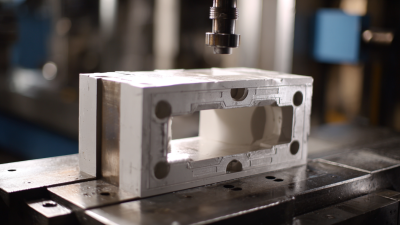
Box molds are pretty essential in manufacturing, especially when it comes to making complex parts for all kinds of applications. If you really want to get the most out of their design and function, it's crucial to understand their key features. For example, injection molds, especially in the biomedical field, have gotten way more advanced lately. Turns out, over 40% of plastic parts in that industry are made with injection molds because they can create really detailed shapes with high precision. This growing demand means that designing molds isn’t just about meeting specific operational needs—they also need to be cost-effective and efficient.

On top of that, recent innovations like using smarter algorithms for spotting defects can make a big difference in reducing production errors. Some newer techniques, like multiplicative feature fusion and improved attention mechanisms, are helping to make injection-molded parts more reliable. These tech improvements can help speed up the manufacturing process, all while keeping quality high. Basically, they’re raising the bar in the box mold industry by focusing on both performance and the ability to adapt to new challenges. Getting a handle on these latest developments is super helpful for manufacturers who want to stay competitive and keep up with what the market demands.
Material Selection for Box Molds: Best Practices and Industry Standards
When you're choosing materials for box molds, it's really important to understand what your specific industry actually needs. Take a company like Taizhou Huangyan Xintong Mold Co., Ltd., for example – they serve all sorts of sectors, from medical equipment and logistics to home furniture and electrical appliances. Each industry has its own set of requirements — like, some might need molds made from super durable plastics that meet strict safety standards, especially for medical stuff. Others, like logistics, might prefer lightweight but strong materials that boost efficiency without sacrificing quality.
On top of that, it’s smart to think about the lifespan and sustainability of the materials too. Industry standards often provide a good guide, and sticking to those helps ensure the materials you pick are not only top-performing but also compliant with regulations. By using modern tech and having a solid understanding of material properties, companies like Xintong Mold are able to create custom solutions tailored exactly to what their clients need. That ultimately helps boost productivity and saves money in the long run — pretty cool, right?
Material Selection for Box Molds: Best Practices and Industry Standards
Production Techniques: How to Optimize Box Mold Manufacturing Processes
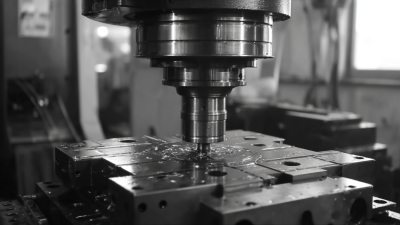
When it comes to optimizing box mold manufacturing, really getting a good grasp of advanced production techniques is super important. Things like multivariate shape optimization and cool new cooling channel designs can make a huge difference—making the process more efficient and cutting down on energy use. For example, using conformal cooling channels can significantly boost how well the molds cool down during injection molding. That means shorter cycle times and, ultimately, better-quality products. Incorporating these tech solutions doesn’t just streamline everything; it also helps prolong the life of the molds, which is a big win.
Plus, sensors are playing an increasingly crucial role these days. With real-time monitoring systems—think of those used in metal additive manufacturing—manufacturers can spot issues with cooling or materials right away. That way, they can make quick adjustments before small problems turn into bigger ones. This kind of proactive monitoring leads to a smoother, more reliable production process. As industries keep evolving, making the most of these advanced techniques is pretty much essential—especially for companies like Taizhou Huangyan Xintong Mold Co., Ltd. They need to keep delivering high-quality, customized solutions to meet the varied needs of everything from medical equipment to household appliances. It's all about staying ahead of the game and keeping things efficient and top-notch.
Ultimate Guide to Understanding Box Molds: Key Insights for Optimal Production
| Dimension | Description | Importance | Optimization Techniques |
| Material Selection | Choosing the right material for box molds | Affects durability and quality of production | Conduct material testing and evaluate properties |
| Design Precision | Accuracy in mold design and dimensions | Ensures proper fit and function in production | Use CAD software for accurate designs |
| Cooling Systems | Efficiency of temperature control during production | Impacts cycle times and quality of final product | Implement advanced cooling techniques |
| Maintenance Schedule | Regular upkeep of box molds | Prevents mold wear and ensures consistent output | Establish a routine inspection and maintenance plan |
| Production Workflow | Overall process of box mold manufacturing | Streamlines operations and reduces downtime | Analyze workflows and minimize unnecessary steps |
Cost Analysis: Evaluating Investment Returns in Box Mold Production
When it comes to manufacturing, really getting a handle on the costs involved in making box molds is super important if you want to get the most out of your investments. I came across a report by Mordor Intelligence that predicts the global mold market will grow at about 5.4% annually from 2021 to 2026 — which honestly shows there's plenty of demand for new and innovative molding solutions. When you're figuring out what a box mold will cost, you’ve gotta look at things like what materials you choose, the manufacturing tech you use, and the labor involved. For example, splurging a bit on top-notch steel might be more expensive upfront, but it pays off in the long run since it doesn’t wear out as fast and cuts down on repair and replacement costs.

On top of that, how efficient your production process is really makes a difference. There's this study from Research and Markets that says using newer tech like 3D printing and automation can slash production costs by up to 30%. By embracing these kinds of innovations, manufacturers can ramp up their output and see a quicker return on their investments. Taking all of these factors into account—materials, tech, labor—your business can make smarter choices about investing in box molds, which can give you a real edge in the market.
Maintenance and Longevity: Ensuring Your Box Molds Last for Optimal Use
When it comes to box molds, taking good care of them is super important if you want them to last and work well. Regular cleaning is a must — it helps prevent buildup and contamination, which can cause defects in your final product. After each use, it’s a good idea to give the molds a quick check to spot any signs of wear or damage. Using the right cleaning agents is also key — nothing too harsh, so you don’t mess up the mold’s surface. And don’t forget to apply a release agent; it makes demolding easier and helps keep your mold in top shape for longer.
Beyond just cleaning, how you store your molds really matters too. Keep them in a climate-controlled space to avoid extreme heat, cold, or humidity — these can warp or even corrode the material. Throwing a protective cover over them isn’t just for dust; it also guards against bumps and scratches. Plus, setting up regular maintenance checks can catch small issues before they turn into big problems, helping your molds stay in good condition and keep production running smoothly. Following these simple practices will really help extend the life of your molds, making your process more efficient and hassle-free.
Common Challenges in Box Mold Production: Solutions from Industry Experts
When you're dealing with box mold production, there are a few common hurdles that can really throw off both efficiency and quality. One biggie is picking the wrong material—say, using the wrong kind of resin—and that can lead to molds not performing well and shooting up your costs. Experts usually recommend doing your homework—thorough research and testing—to find the best materials for whatever you're working on. Having a solid system in place to evaluate materials not only makes the final product more durable but also helps smooth out the entire manufacturing process.
Another tricky part is the mold design itself. If the mold isn’t well thought out, you might end up with problems like warping or parts not filling properly. To tackle this, folks often rely on advanced simulation software during the design stage. This tech allows you to see how the material would flow inside the mold, so you can make tweaks before actually producing prototypes. Working with experienced mold designers and making good use of these new tools can really cut down on delays and help you end up with a top-notch product.
Revitalize Your Garage: The Ultimate Guide to Multi-Purpose Heavy-Duty Car Wash Floor Mats
Revitalizing your garage with high-quality multi-purpose heavy-duty car wash floor mats can significantly enhance your space for both personal and commercial use. These mats serve not only to protect your garage floor from harsh chemicals and water but also to create a safe, clean environment for car maintenance and washing. According to market research, the global automotive aftermarket is projected to reach $1 trillion by 2025, with an increasing emphasis on DIY car care among vehicle owners. Investing in durable car wash mats is an essential step for anyone looking to keep their garage organized and equipped for effective car maintenance.
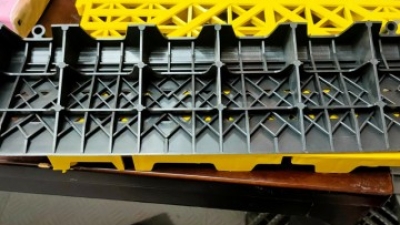
Our car wash mat mold, made from high-strength ABS/PP plastic or recyclable rubber, distinguishes itself through exceptional durability and resistance to various substances such as water and oil. Unlike less robust mats that can wear down over time, our mats retain their shape even under heavy pressure, making them perfect for extensive use. A report from the American Society of Automotive Engineers notes that proper garage and maintenance facilities can increase vehicle longevity by 30%, further emphasizing the value of protecting your workspace. Whether you're a DIY enthusiast or a commercial service provider, equipping your garage with high-quality floor mats can change the game, providing a stable and efficient work area every time you roll in.
FAQS
: Important factors include the specific requirements of the industry, such as durability, flexibility, and resistance to environmental factors. Compliance with safety standards and industry regulations is also essential.
Considering lifecycle and sustainability helps ensure optimal performance and regulatory compliance. This approach can enhance productivity while minimizing environmental impact.
Regular cleaning, inspections for wear or damage, and the use of appropriate cleaning agents are crucial. Proper storage in a climate-controlled environment and scheduled maintenance checks also contribute to longevity.
Neglecting maintenance can lead to contamination, material build-up, and defects in the final product, ultimately affecting production efficiency and quality.
Common challenges include poor material selection that can lead to performance issues and inefficient mold design that results in defects like warping or incomplete fillings.
Using advanced simulation software during the design phase allows manufacturers to visualize material flow within the mold, enabling adjustments before physical prototype production.
A release agent facilitates the demolding process and helps protect the mold from degradation over time.
Proper storage in a controlled environment prevents exposure to extreme temperatures and humidity that can warp or corrode the materials, ensuring the molds remain in good condition.
Conducting thorough research and testing for material selection, employing systematic evaluation methods, and collaborating with experienced designers can greatly enhance efficiency.
Customized solutions help meet the precise needs of clients, leading to enhanced productivity, quality output, and cost-effectiveness in production.
Conclusion
Hey there! In our 'Ultimate Guide to Understanding Box Molds,' we really get into the nitty-gritty of designing and working with box molds. We highlight what makes a production method effective—the key features you should keep an eye on. Whether you're picking out materials or following industry best practices, we want to help you make molds that last and stand the test of time. Plus, we talk about ways to optimize your manufacturing process and even throw in some cost analyses to see if your investments are paying off.
We also cover some of the common roadblocks folks face when making box molds, sharing proven solutions based on real industry know-how. At Taizhou Huangyan Xintong Mold Co., Ltd., our experience spans medical equipment, logistics, home furniture—you name it. This makes us pretty confident that we’re a solid partner for businesses looking to level up their molding game. Overall, this guide’s a handy resource if you're serious about making your box mold production as efficient and effective as possible.