inquiry
Leave Your Message
0%

Choosing a Logistic Pallet Mould can feel a bit overwhelming, right? There are so many options out there, and it’s super important to really understand what you need. Different industries have their own demands—think about things like weight capacity, the materials used, and the overall design. All those little details actually matter a lot.

Experience in the field? That’s a big plus. If you’re working with a trusted supplier, they can often help point you in the right direction and share some valuable insights. You wanna focus on durability and performance because, trust me, a good quality mould can make your operations run smoother and faster. On the flip side, going for something cheaper or not well-suited? That might just end up costing you more in the long run, with delays and extra expenses.

It’s worth taking your time to weigh all your options. Do your homework—research different suppliers, compare specs, and don’t hesitate to ask for advice from folks who know the ropes. Picking the right Logistic Pallet Mould can seriously boost your productivity. So, yeah, make informed choices, learn from past experiences, and steer clear of potential headaches down the line.
2026 How to Choose the Best Logistic Pallet Mould for Your Needs?

Understanding Logistic Pallet Moulds: A Comprehensive Overview

Logistic Pallet Moulds play a significant role in supply chain efficiency. They facilitate the movement and storage of goods in warehouses and distribution centers. According to a recent industry report by Grand View Research, the global pallet market is expected to reach USD 82.1 billion by 2025, reflecting a growing demand for high-quality mould designs.

When selecting a pallet mould, understanding material properties is essential. Different industries require specific strengths and weights, which can significantly affect operational costs. For example, Plastic Pallet Moulds are lightweight and resistant to moisture, making them ideal for food and pharmaceutical applications. However, wooden pallets may be cheaper but often require more maintenance. A shift towards eco-friendly options is also noteworthy, with recycled materials gaining traction in production processes.

Choosing the right pallet mould can be complex. It's crucial to consider the application and load capacity. Misjudging these factors may lead to inefficiencies in logistics. Additionally, some businesses overlook maintenance strategies for moulds, which can lead to durability issues. Balancing quality and cost is a common challenge. In this evolving market, staying informed about recent innovations in pallet mould design can help businesses optimize their operations.

Identifying Your Specific Logistic Needs and Requirements

When choosing a logistic pallet mould, it's essential to identify your specific needs and requirements. Consider the type of goods you handle. Are they fragile, heavy, or oddly shaped? Understanding the nature of your products can guide your selection. Size and weight capacity are critical factors to keep in mind. Moulds come in different dimensions, and picking the right one can enhance efficiency in transport.

Tips: Define your product's weight and dimensions. This will help narrow down the options. Keep in mind that a mould with the right specifications will improve stability during shipping.

Another consideration is material. Different moulds are made from various materials, each with its own strengths and weaknesses. For instance, plastic moulds are lightweight yet durable, while wooden moulds are sturdy but heavier. Assessing the environment where the mould will be used is crucial too. Some materials perform better in certain conditions.

Tips: Evaluate the climate and handling techniques. This will influence the durability of your chosen mould. Moreover, consider the long-term costs of maintenance and replacements. Investing in the right mould now can save money later. Reflection on these needs can lead to more informed choices.

2026 How to Choose the Best Logistic Pallet Mould for Your Needs?

Dimension Material Type Weight Capacity (kg) Suitable for Transporting Customization Options
1200mm x 800mm Plastic 1500 Food and Beverages Color, Logo Imprint
1200mm x 1000mm Wood 1200 Consumer Goods Size, Type of Wood
1100mm x 1300mm Metal 2500 Heavy Machinery Welding, Coating
1000mm x 800mm Composite 1000 Pharmaceuticals Shape, Weight
1200mm x 1200mm Recycled Plastic 1500 Electronics Eco-friendly Features

Factors to Consider When Choosing a Pallet Mould Material

Choosing the right pallet mould material can significantly impact your logistics operations. One crucial factor is the load capacity of the mould. Different materials have varying strength levels. For instance, Plastic Pallet Mould can handle substantial weight, making them ideal for heavy-duty applications. Yet, some plastics may not withstand extreme temperatures or chemicals, leading to wear and tear over time.

Another consideration is cost-effectiveness. While plastic pallet moulds often have a higher initial price, their durability can lead to savings in the long run. However, this is not a one-size-fits-all solution. Some users find that lower-cost materials perform adequately for lighter loads. It is vital to evaluate the specific requirements of your logistics process to determine the best choice.

Additionally, the manufacturing process plays a key role in mould quality. Some moulds might exhibit defects that compromise their functionality. It’s essential to select a quality supplier known for creating reliable plastic pallet moulds. Ultimately, the right material should align with your operational needs and budget while ensuring compliance with industry standards.

Evaluating Design Options for Enhanced Functionality and Durability

2026 How to Choose the Best Logistic Pallet Mould for Your Needs?

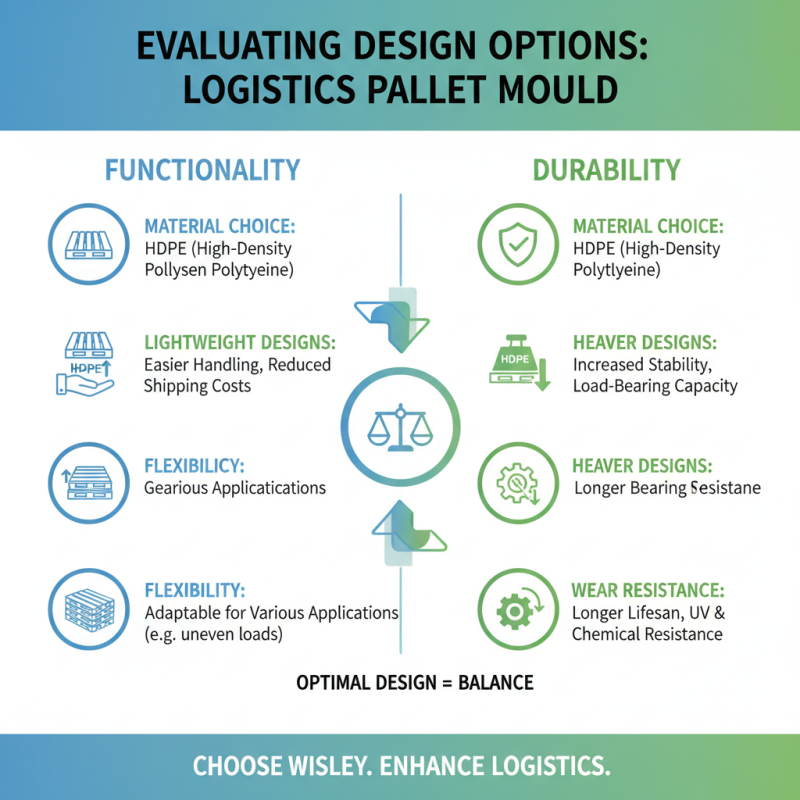
When selecting a Logistics Pallet Mould, design options play a crucial role in enhancing functionality and durability. Start by considering the material used. High-density polyethylene (HDPE) often boosts longevity and resistance to wear. However, it may not provide the optimal flexibility needed for certain applications. Reflect on what features you truly need. Do you want lighter pallets for easier handling, or heavier ones for stability?

Next, examine the dimensions and weight capacity. A mould that optimizes space can lead to better stacking and storage. But don't overlook the potential trade-off. A larger design may compromise weight limits. Always assess how the specific design flows into your existing processes. Incorporating user feedback can help guide your choices. Balancing aesthetics with functionality can lead to better solutions.

Last, consider the manufacturing process of your chosen Logistics Pallet Mould. Some methods might offer faster production times but at the expense of quality. Take the time to weigh these options. Experience and research should inform your decision on what truly meets your logistical needs.

Assessing Manufacturer Reputation and Customer Support Services

2026 How to Choose the Best Logistic Pallet Mould for Your Needs?

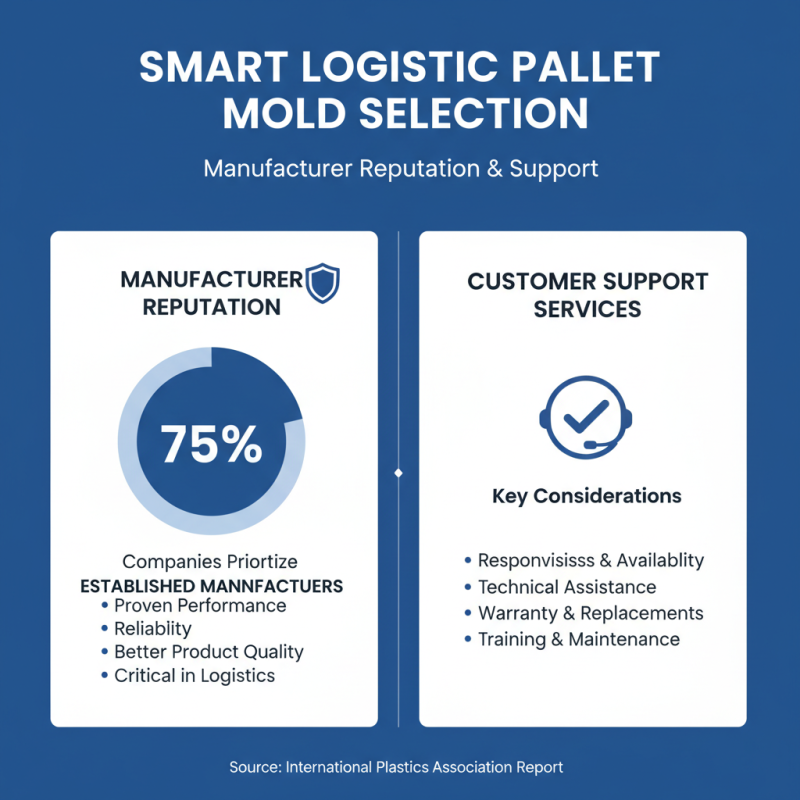
Choosing the right logistic pallet mould can significantly impact your supply chain efficiency. When assessing manufacturers, reputation is key. A report from the International Plastics Association reveals that 75% of companies prioritize established manufacturers. This is often due to their proven performance and reliability. A strong reputation often translates to better product quality, which is critical in logistics.

Customer support services also play a vital role in manufacturer selection. A survey by Logistics Management highlighted that 70% of users find responsive customer service essential. Efficient support could mean the difference between a swift resolution and costly delays. It's worth noting that even well-reputed companies may falter in service. Some customers report slow response times or limited communication.

When researching, consider user reviews and testimonials. They can reveal both strengths and weaknesses in the service. Look for patterns in feedback; consistent issues often indicate systemic problems. Additionally, engaging directly with potential manufacturers can provide insight into their commitment to customer satisfaction. This helps you choose a partner aligned with your logistics needs.

Reviewing Cost-Effectiveness and Budget Constraints for Pallet Moulds

When selecting a logistics pallet mould, understanding cost-effectiveness and budget constraints is essential. The logistics industry is projected to grow by 4.5% annually, reaching over $12 trillion by 2027. However, businesses face varying budgets. It is crucial to find a balance between quality and expense. A good pallet mould can save costs in the long run.

A detailed report from the International Journal of Logistics Management indicates that the initial cost of moulds can be significant, often ranging from $5,000 to $50,000. However, opting for lower-cost options may lead to higher maintenance and operational expenses over time. A well-designed mould with durable materials may incur higher initial costs but can produce better quality pallets, reducing waste and downtime.

Budget constraints often force companies to choose cheaper alternatives. This may lead to unanticipated failures or inefficiencies. It's vital to evaluate how the selected mould impacts the overall supply chain. Invest in moulds that offer efficiency and reliability. Taking shortcuts can result in more significant costs later, both financially and operationally. Stay informed about the latest advancements to ensure packaging efficiency meets evolving market demands.

Analyzing Industry Trends and Innovations in Logistic Pallet Moulds

Analyzing industry trends shows a shift toward sustainable materials in logistic pallet moulds. The global market has seen a 20% increase in the demand for eco-friendly options since 2020. This trend reflects a growing awareness of environmental impact. Manufacturers are exploring new polymers and reusable materials that reduce carbon footprints.

When choosing a logistic pallet mould, consider factors like durability and production efficiency. High-quality moulds contribute to effective logistics and minimize downtime. Studies indicate that using efficient pallet designs can improve warehouse operations by 30%. Pay attention to the compatibility of the mould with various pallet configurations.

Tips: Always assess the mould's resistance to wear and temperature changes. A robust design will save costs over time. Investing in advanced mould technology may seem costly initially but offers long-term benefits.

Overall, the logistic pallet mould industry is evolving. Continuous innovation is essential for remaining competitive. However, many businesses still cling to outdated methods, underscoring the need for a proactive approach in adopting new technologies.

Trends in Logistic Pallet Mould Usage (2026)

FAQS

: What factors should be considered when selecting pallet mould materials?

: Key factors include load capacity, material strength, cost-effectiveness, and the manufacturing process. Each affects performance.

How does load capacity impact pallet mould choice?

Load capacity is crucial. Different materials support different weights. Heavy-duty plastics, for example, handle substantial loads well.

Why is cost-effectiveness important in pallet mould selection?

While some materials have a high upfront cost, their durability can save money later. Assess your specific needs carefully.

How does the manufacturing process influence mould quality?

The manufacturing method can lead to defects. Choosing a reliable supplier is essential for ensuring a functional mould.

What design options enhance pallet functionality?

Material type, dimensions, and weight capacity can significantly improve functionality. User feedback also matters in the design process.

Should I prioritize aesthetics or functionality in pallet mould design?

Balancing aesthetics with functionality can yield better results, but functionality should often take precedence for operational needs.

What is the role of user feedback in mould selection?

User feedback provides valuable insights, helping you choose designs that fit real-world applications better and enhance usability.

Can a larger pallet mould design impact weight limits?

Yes, larger designs can compromise weight limits. Consider how dimensions affect load capacity and overall stacking abilities.

What are the drawbacks of using cheaper mould materials?

Cheaper materials may suffice for light loads but might fail under heavier demands. Durability issues can arise over time.

Is flexibility important in pallet mould materials?

Yes, flexibility can be essential for certain applications. Some materials, like HDPE, offer durability but may lack needed flexibility.

Conclusion

Choosing the right Logistic Pallet Mould is crucial for optimizing supply chain efficiency and meeting specific logistical needs. The selection process begins with a comprehensive understanding of various pallet moulds, allowing businesses to identify their unique requirements. Key factors include the material of the mould, which impacts both functionality and durability, and the design options available that enhance usability.

Furthermore, assessing the reputation of manufacturers and the level of customer support can significantly influence the decision-making process. Cost-effectiveness must also be considered, as it plays a vital role in budgeting for logistics operations. Lastly, staying informed about industry trends and innovations in Logistic Pallet Moulds can provide valuable insights for making an informed choice that aligns with current market demands.
Charlotte

Charlotte

Charlotte is a seasoned marketing professional with extensive expertise across diverse industries, including medical equipment, logistics, home furniture, and electrical appliances. Her profound understanding of these sectors allows her to effectively communicate the value and quality of the......
Previous How to Find the Best High Quality Flat Pallet Suppliers?