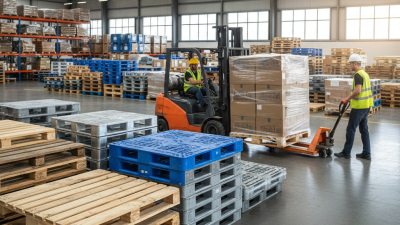
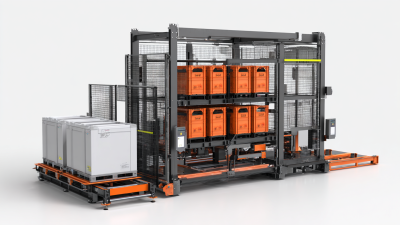
You know, in the constantly changing world of logistics, there's still a huge demand for good-quality Flat Pallets. I recently read a report from Allied Market Research, and it projects that the global pallet market could hit a whopping $69 billion by 2027. That really shows just how important it is to pick reliable flat pallet suppliers. Using high-quality pallets isn’t just about avoiding damage during shipping — it also helps keep inventory organized and running smoothly, which is a big deal for staying efficient.
Honestly, a lot of companies tend to overlook how crucial quality is when choosing their pallet suppliers. But the right supplier can totally make a difference—not just in costs, but in how dependable their service is. Brands like CHEP and PalletOne have really set high standards when it comes to quality, durability, and sustainability. That said, some suppliers might try to cut corners to save a few bucks, which could cause headaches later in the supply chain.
So, at the end of the day, businesses need to be careful and do their homework when picking out flat pallet suppliers. Things like their experience and reputation matter a lot. Quality isn’t just about the raw materials — it’s about making sure the pallets can handle the knocks and bumps of shipping and storage. Skimping on this could lead to hidden costs and trouble down the line, so it really pays to prioritize quality from the get-go.
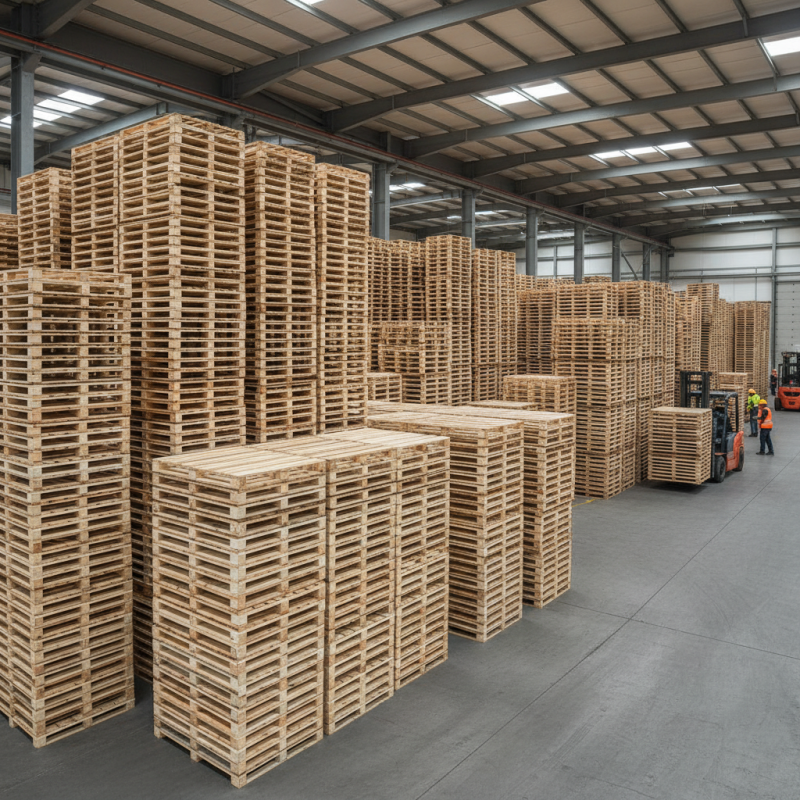
Understanding Flat Pallet Types and Their Applications in Various Industries
Flat Pallet s are essential in various industries, serving as a base for unit loads. They come in several types, including wooden, plastic, and metal. Each type has distinct advantages based on its application.
For instance, wooden flat pallets are commonly used in the food and beverage sectors, where their sturdiness is highly valued. Reports indicate that wooden pallets have a market share exceeding 50% in logistics due to their availability and cost-effectiveness.
Plastic flat pallets, on the other hand, offer superior hygiene. They are widely used in pharmaceuticals and cleanroom environments. Their resistance to moisture and chemicals makes them ideal for industries where cleanliness is paramount. A study by the National Wooden Pallet and Container Association reveals that plastic pallets are gaining market traction, with a projected growth rate of 5% annually. However, their higher initial cost can be a barrier for some businesses.
Metal flat pallets are less common but play crucial roles in heavy-duty applications. They are often used for transporting industrial machinery and heavy parts. While durable, they can be cumbersome and difficult to handle. Moreover, the choice of flat pallet type must align with logistical needs and environmental considerations. A mismatch can lead to inefficiencies, increased costs, and potential damage to goods. Understanding these differences is key to optimizing supply chain operations.
Criteria for Evaluating High-Quality Flat Pallet Suppliers
When searching for high-quality flat pallet suppliers, it's crucial to evaluate them against specific criteria. One essential aspect is material durability. Suppliers should use strong, long-lasting materials for their pallets. Look for those that can handle heavy loads without warping. A reliable supplier should be able to provide evidence of their material standards.
Another important factor is the supplier's manufacturing process. A reputable supplier, especially when dealing with Eur Flat Pallet, should have transparent processes. They should be able to demonstrate quality control measures in place. This ensures that the pallets are not just produced quickly but are also built to last.
Additionally, customer service can reveal a lot about a supplier’s reliability. Are they responsive to inquiries? Do they offer support after the sale? These aspects often indicate how much a supplier values their clients. Sometimes, suppliers might prioritize sales over service. This can reflect on the overall experience and product satisfaction. Pay attention to these details to avoid potential pitfalls in your selection process.
Key Industry Certifications for Reliable Flat Pallet Suppliers
When seeking high-quality flat pallet suppliers, industry certifications play a crucial role. Certifications ensure that manufacturers meet specific standards for quality and safety. Look for certifications such as ISO 9001, which indicates a strong quality management system. Compliance with ISO 14001 shows commitment to environmental responsibilities. These credentials can help in making informed decisions.
A supplier's reputation is witnessing a growing importance in this market. Suppliers with industry recognition demonstrate consistent performance. A good supplier should be willing to share their certification details. Stay cautious; not all suppliers disclose this information readily. Ask for proof of compliance during discussions. A reliable supplier openly shares their certification details and past client experiences.
Ultimately, the process requires an informed approach. While certifications are a strong indicator, they are not the sole factor. Evaluate the materials used and production techniques. Investigate if suppliers have received recognition from reputable industry bodies. This analysis can reveal potential gaps in their offerings. Continuous assessment ensures that your choice aligns with your quality needs.
Analyzing Supplier Reputation and Customer Reviews in the Market
When searching for high-quality flat pallet suppliers, supplier reputation plays a vital role. Industry reports indicate that companies with higher ratings see a significant increase in sales. In fact, over 70% of consumers trust online reviews as much as personal recommendations. This statistic highlights the importance of customer feedback in assessing potential suppliers. A positive reputation can signal reliability and quality, while negative reviews often raise red flags.
Customer reviews can provide insights into product performance. For instance, Flat Plastic Pallets typically receive praise for their durability and lightweight nature. Exploring forums and review sites enables potential buyers to gauge common issues. However, it’s essential to examine both positive and negative feedback carefully. Some reviews may exaggerate minor problems. Verified review platforms can offer more reliable perspectives. Additionally, suppliers with a long-standing presence in the market tend to show consistent customer satisfaction levels.
Analyzing supplier reputation requires more than just reading reviews. It’s beneficial to check if suppliers have industry certifications. Such certifications often reflect adherence to safety and quality standards. Not all suppliers will have them. This gap may influence purchasing decisions. Building a supplier list based on reputation and real customer experiences can lead to better choices for businesses in need of Flat Plastic Pallets.
The Importance of Cost-Benefit Analysis in Pallet Procurement
Cost-benefit analysis is pivotal when sourcing flat pallet suppliers. Evaluating costs against potential benefits helps companies choose the right pallets. This analysis ensures that spending aligns with operational needs and quality standards.
Tip: Assess Your Needs
Before diving into supplier options, clearly define your requirements. Identify the type of Flat Top Pallets you need. Consider dimensions, weight capacity, and material. A well-defined need reduces unnecessary costs.
It's easy to get swayed by low prices. However, cheaper isn't always better. High-quality Flat Top Pallets may have a higher initial cost. Yet, their longevity often leads to lower overall spending. Track your usage patterns. This data can guide future purchases.
Tip: Compare Suppliers
Don’t settle for the first supplier. Gather quotes and compare their offerings. Look beyond price. Check for certifications or industry standards. A reliable supplier should prioritize both quality and customer service. It's crucial to foster a reliable relationship to ensure supply chain efficiency.
Keep in mind that initial cost savings might result in long-term expenses. Balancing upfront investments against durability is vital. Engage with suppliers who offer transparency in pricing and quality guarantees. This consideration will save resources and headaches later on.
Exploring Sustainable Practices Among Top Flat Pallet Suppliers
Sustainable practices are becoming essential in the supply chain, particularly for flat pallets. Recent industry reports indicate that over 65% of consumers prefer brands that prioritize sustainability. This shift affects suppliers, pushing them to adopt eco-friendly methods in their production processes.
For instance, many suppliers are turning to recycled materials in their pallets. This choice significantly reduces waste and energy consumption. According to a study by the Forest Stewardship Council, pallets made from recycled wood can reduce carbon emissions by up to 50%. However, not all suppliers prioritize these practices, which raises questions about their long-term commitment to environmental responsibility.
Moreover, many companies are still using traditional wood sources, leading to deforestation concerns. It is essential to evaluate suppliers' sourcing practices. Are they certified for sustainable forestry? Transparency in these operations can reveal their dedication to sustainability. Engaging with suppliers who prioritize eco-friendly practices will not only benefit the environment but also enhance a brand's reputation in a competitive market.
Trends in Flat Pallet Design and Technology to Consider
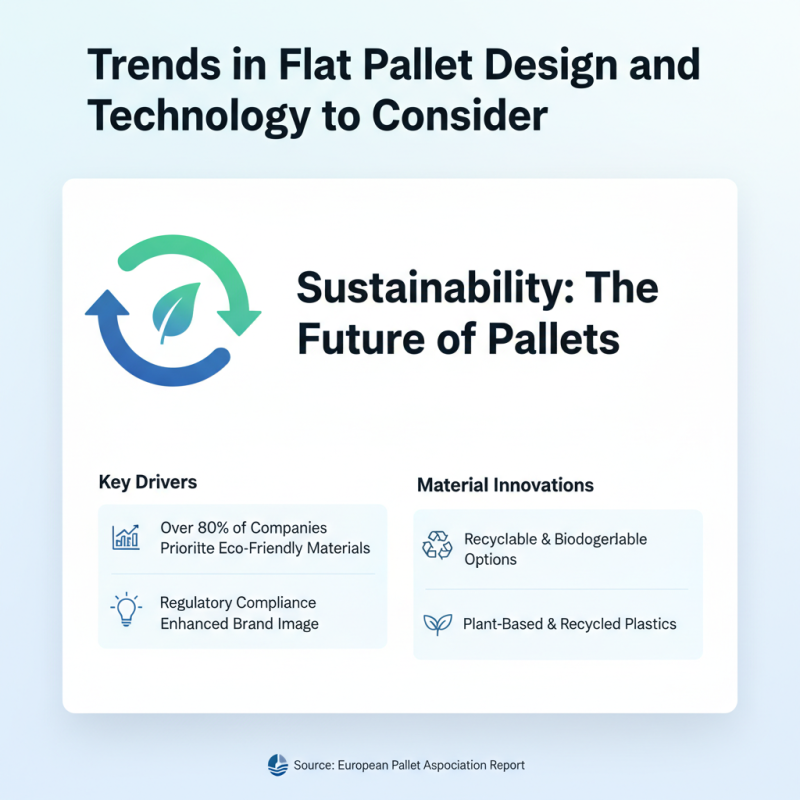
In the evolving landscape of flat pallet design and technology, several trends are reshaping the industry. Sustainability remains paramount. According to a recent report by the European Pallet Association, over 80% of companies prioritize eco-friendly materials. This shift reflects a growing demand for recyclable and biodegradable options. Companies that adopt these practices not only meet regulatory requirements but also enhance their brand image.
Improved durability is another significant trend. New composite materials offer enhanced load-bearing capabilities. Research indicates that pallets made from advanced plastics can last up to five times longer than traditional wood options. This durability can lead to substantial cost savings. However, businesses must consider the initial investment—it can be higher, which may challenge cash flow.
Tip: Assess your budget flexibility when investing in new materials. Analyze long-term gains against short-term expenses.
Moreover, the integration of technology in flat pallet design is noteworthy. IoT sensors are becoming common for tracking loads and condition. This technology provides real-time data, improving inventory management. However, the adoption rate is still varied. Many companies hesitate due to installation costs and training needs.
Tip: Evaluate the training resources available before investing in smart pallets. Ensure your team is equipped to use new technologies effectively.
Embracing these trends can position businesses for future success, but careful planning is essential. Each investment should align with specific operational goals. Understanding the nuances of these developments can help in making informed choices.
Maximizing Efficiency in Warehousing: The Advantages of Injection-Molded Flat Plastic Pallets
In the modern warehousing landscape, maximizing efficiency is paramount, and one of the key components in achieving this goal is the use of injection-molded flat plastic pallets. These pallets are engineered from high-density polyethylene (HDPE) or polypropylene (PP), materials known for their exceptional durability and hygienic properties. The solid, smooth surface of these pallets makes them ideal for transporting loose or small items, effortlessly supporting various operations within a warehouse.
The advantages of adopting injection-molded flat plastic pallets extend beyond mere durability. Their design is perfectly suited for automated systems, enhancing the speed and efficiency of material handling processes. Furthermore, these pallets excel in cleanroom environments due to their easy-to-clean surfaces, which help maintain sterile conditions. By integrating these advanced pallets into warehousing operations, businesses can not only streamline their logistics but also improve the overall safety and cleanliness of their storage solutions. As efficiency becomes increasingly crucial in supply chain management, the shift to injection-Molded Pallets represents a strategic advantage in optimizing material handling.
FAQS
: They should be durable and strong, able to handle heavy loads without warping.
A reputable supplier should demonstrate quality control measures to ensure durability and reliability.
Responsive customer service can indicate how much the supplier values their clients and overall satisfaction.
Reviews provide insights into product performance and can highlight both positive and negative experiences.
Yes, certifications often reflect adherence to safety and quality standards, influencing purchasing decisions.
Over 65% of consumers prefer brands prioritizing sustainability, influencing the eco-friendly practices of suppliers.
Using recycled materials helps reduce waste and energy consumption, lowering carbon emissions significantly.
No, not all prioritize sustainability, raising questions about their long-term commitment to the environment.
Customers should check if suppliers are certified for sustainable forestry to assess their environmental dedication.
A positive reputation can signal reliability, while negative reviews often raise potential red flags for buyers.
Conclusion
When searching for the best high-quality flat pallet suppliers, it's essential to first understand the different types of flat pallets and their specific applications across various industries. Evaluating suppliers involves scrutinizing several criteria, such as their industry certifications and reputation. Customer reviews provide valuable insights into the reliability of flat pallet suppliers. Additionally, conducting a cost-benefit analysis can ensure that you are making a financially sound procurement decision.
Sustainability is another key factor; many top suppliers are increasingly focusing on eco-friendly practices in their manufacturing processes. Keeping an eye on the latest trends in flat pallet design and technology can also offer competitive advantages. By considering these aspects, businesses can effectively identify suppliers that meet their needs for durable and efficient flat pallets.