inquiry
Leave Your Message
0%

When it comes to shipping, getting a grip on what a Flat Pallet really is can make a big difference. Basically, it’s this solid platform used to hold and move goods around. Most of the time, you’ll find them made from wood, plastic, or metal — each one with its own pros and cons. Some companies swear by wooden pallets because they’re cheap, while others go for plastic because they last longer and are more durable.

Using a Flat Pallet definitely makes loading and unloading a lot easier. It’s easier to slide stuff on and off, which means less hassle and faster turnover. But, it’s not all smooth sailing. Not every pallet can handle super heavy stuff, and if you buy cheap quality ones, they might break under pressure — which could cause big problems, especially for logistics companies like ABC Logistics. So, they really need to keep an eye on quality to avoid costly mishaps during transport.

And don’t forget about the environment. Some materials used for pallets aren’t exactly eco-friendly, and as more companies aim for sustainability, the choice gets even trickier. Picking the right pallet isn’t just about function — it’s also about doing the right thing for the planet. At the end of the day, understanding how to pick and use Flat Pallets involves balancing practicality with eco-awareness. Shipping isn’t just about moving stuff from point A to B; it’s about doing it smartly and responsibly, too.
What is a Flat Pallet and How is it Used in Shipping?

Definition of Flat Pallet and Its Characteristics

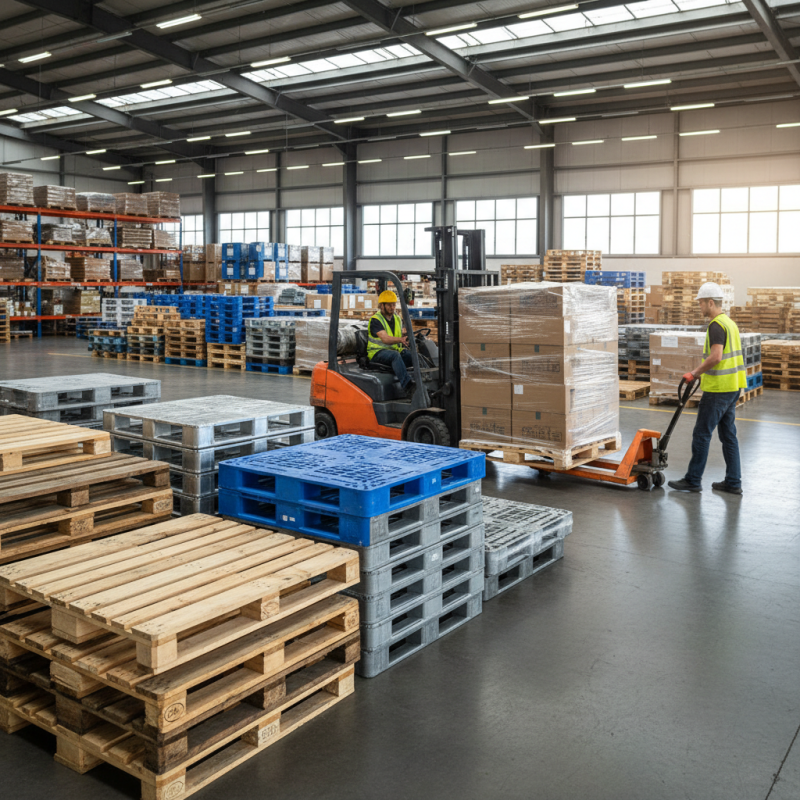
A Flat Pallet is a simple, flat structure used for storing and transporting goods. Typically made from wood or plastic, it is designed to hold heavy loads. A flat pallet can be easily moved using a forklift or pallet jack. This enhances efficiency in warehouses and during shipping.

Flat pallets come with distinct characteristics. They usually have a uniform surface, ensuring goods do not fall off easily. The edges are often rounded to prevent damage during handling. Its design allows for maximum stability. However, users sometimes overlook weight limits. Overloading a flat pallet can lead to accidents or product damage.

Tip: Always check the weight capacity before loading a flat pallet. Taking a moment to double-check can save time later.

Flat pallets are versatile, but their use requires thought. Not all items can be placed on them without consideration. For instance, sharp or unstable items may need additional securing. Failing to do so can lead to chaotic situations during transit.

Tip: Use straps or shrink wrap to secure items on a flat pallet. This extra step can prevent loss and increase safety.

What is a Flat Pallet and How is it Used in Shipping? - Definition of Flat Pallet and Its Characteristics

Characteristic Description Common Materials Typical Uses
Shape Flat surface with no vertical components Wood, Plastic, Metal Warehouse storage, transport
Size Standard sizes like 48" x 40", 42" x 42" Wood Shipping goods, freight stacking
Load Capacity Up to 2,500 lbs depending on material Plastic Transporting heavy machinery
Stackability Can be stacked to save space Metal Maximizing storage in warehouses
Durability Varies by material; resistant to wear Wood, Plastic Long-term use in shipping

Types of Flat Pallets Used in Shipping

Flat pallets are essential in the shipping industry. They simplify the transportation of goods. Various types of flat pallets serve different purposes.

The Eur Flat Pallet is popular in Europe. It's standardized, making it easy to stack and transport. Typically made of wood or plastic, it allows for efficient loading. This design reduces space and enhances safety during transit. In contrast, metal pallets are more durable but heavier. They are ideal for industrial applications where toughness is vital.

Here are some tips for choosing the right flat pallet: always consider the weight of your goods. Check for compatibility with your handling equipment, too. A good fit can save time and prevent damage. Remember, maintenance is crucial. Inspect pallets regularly for wear and tear, especially when using them for heavy items. Using a damaged pallet can lead to severe issues.

Advantages of Using Flat Pallets in Logistics

Flat pallets play a crucial role in the logistics of shipping. They provide a stable and easy-to-handle base for various goods. Using Flat Plastic Pallets has several advantages that can improve efficiency in transportation and storage.

One notable advantage is their lightweight nature. Flat Plastic Pallets reduce shipping costs. Less weight means lower fuel consumption during transport. Additionally, their durable design ensures longevity, which can minimize replacement costs. They are easy to clean, making them suitable for various industries, including food and pharmaceuticals.

Tips: When choosing pallets, consider the weight capacity. Not all Flat Plastic Pallets are created equal. Some may not support heavier items. Always assess your specific shipping and storage needs to avoid potential issues. Storage space is essential, too. Flat pallets stack easily, but ensure you have enough overhead clearance to utilize vertical space effectively. Keep this in mind to optimize your logistics operations.

Advantages of Using Flat Pallets in Logistics

How Flat Pallets Facilitate Efficient Cargo Handling

Flat pallets are essential in shipping, offering a stable foundation for various cargo types. They enable easy stacking, storage, and transportation of goods. According to industry reports, flat pallets improve loading efficiency by up to 30%. This reduction in loading time is critical in fast-paced supply chains.

When cargo is efficiently organized on flat pallets, it enhances safety during transport. Forklifts can easily maneuver around pallets, reducing the risk of accidents. Studies show that around 25% of transport injuries stem from improper handling of goods. Efficient cargo handling can cut these numbers significantly.

However, not all flat pallets are standard. Variations exist in size and material, affecting their usability. For instance, wooden pallets are durable but may harbor pests. Plastic alternatives are cleaner but can be more expensive. Companies often struggle to find a balance between cost and efficiency. Implementing the right type of pallet can lead to significant long-term savings and risk reduction in the supply chain.

Best Practices for Stacking and Securing Flat Pallets

What is a Flat Pallet and How is it Used in Shipping?

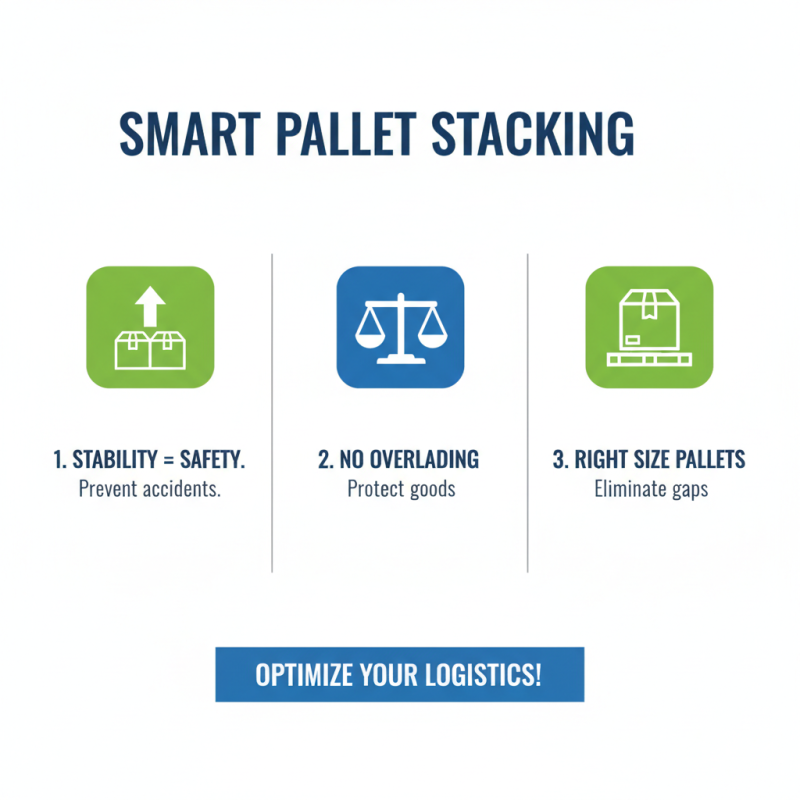
When stacking flat pallets, stability is key. Make sure to never overload a pallet. This can lead to accidents and damaged goods. Using the right size pallets is crucial. They should fit your products perfectly. Gaps can cause items to fall during transit.

Tips: Always inspect pallets before use. Look for signs of wear or damage. If a pallet isn't sturdy, discard it. Ensure items are evenly distributed. Weight should be balanced on all sides. This prevents toppled stacks.

Securing the load is just as important. Use shrink wrap or straps to hold items together. This helps maintain stability. Be mindful of how you stack. Heavier items belong at the bottom. Lighter products can go on top. Remember, a well-stacked pallet is a safe pallet.

Regulatory Standards for Flat Pallets in Shipping Applications

Regulatory standards for flat pallets in shipping carry significant importance. These guidelines ensure safety and efficiency in transportation and storage. Flat Top Pallets need to meet specific dimensions and load capacities. Compliance can affect shipping costs and overall logistics.

Proper material selection is vital. Common options include wood, plastic, and metal. Each material has its own regulatory standards. For instance, wooden pallets must be treated to prevent pest infestations. Using untreated wood can lead to costly delays and fines.

Manufacturers and shippers should regularly review regulations. Changes can happen quickly, impacting operations. Staying informed helps avoid non-compliance issues. It’s crucial to document everything properly. Missteps in documentation may lead to misunderstandings with regulatory bodies.

Common Industries That Utilize Flat Pallets for Shipping

Flat pallets are vital for various industries in shipping. They provide a stable base for stacked goods, making transportation easier. Retail and manufacturing sectors rely heavily on flat pallets. They transport finished products to stores or warehouses efficiently.

In the food industry, flat pallets support heavy crates of fresh produce or packaged goods. Their design helps ensure safe delivery. However, not all pallets are created equal. Some may warp or break under pressure. This can lead to product damage, which is costly and requires reflection on pallet quality.

Many industries that use flat pallets must address environmental concerns. Some pallets are made of wood, while others use plastic or metal. Each material has its own environmental impact. Companies should consider sustainability in their pallet choices. Balancing cost and environmental responsibility is essential for long-term success.

FAQS

: What is the primary focus of the product discussed?

: The product primarily aims to improve daily convenience and efficiency for users.

How does it differentiate itself from similar products?

It features unique attributes that enhance user experience, making it more practical and user-friendly.

Can this product be used in various environments?

Yes, it is designed to adapt well in different settings, from home to outdoor use.

Are there any safety concerns users should be aware of?

Users should follow provided guidelines to ensure safe and effective usage. Ignoring these could lead to issues.

What is the ideal age group for this product?

It is suitable for a wide range of ages, but younger users may require supervision.

What happens if it malfunctions?

In case of malfunction, users should refer to the troubleshooting section in the manual.

Is there a warranty or guarantee upon purchase?

Yes, there is a limited warranty, but the specifics may vary based on the retailer.

How should the product be cleaned or maintained?

Regular maintenance is essential. Users should clean it as recommended to prevent buildup or damage.

What are common misconceptions about this product?

Some believe it is only for specific tasks, but it offers multifunctional uses.

Can users provide feedback after purchase?

Yes, feedback is encouraged and helps improve future iterations of the product.

Conclusion

A flat pallet is a versatile platform used in shipping to support and transport goods efficiently. Characterized by its flat surface and sturdy construction, it comes in various types, including wood, plastic, and metal, catering to different shipping needs. The advantages of using flat pallets in logistics include improved loading efficiency, space optimization, and enhanced cargo protection. By facilitating efficient cargo handling, flat pallets reduce loading times and minimize the risk of damage during transport.

Best practices for stacking and securing flat pallets are essential to ensure safe transportation. This includes evenly distributing weight and using appropriate strapping methods to stabilize the load. Additionally, adherence to regulatory standards ensures that flat pallets meet safety and quality requirements in shipping applications. Commonly utilized across industries such as retail, manufacturing, and food services, flat pallets play a crucial role in streamlining supply chain operations.


Charlotte

Charlotte

Charlotte is a seasoned marketing professional with extensive expertise across diverse industries, including medical equipment, logistics, home furniture, and electrical appliances. Her profound understanding of these sectors allows her to effectively communicate the value and quality of the......
Previous Navigating the Water Tank Mold Market in 2025 Trends Insights and Best Practices for Success