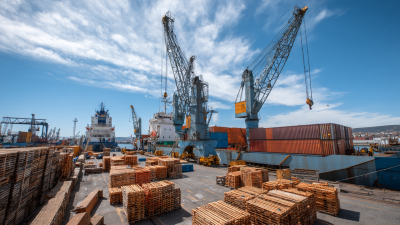
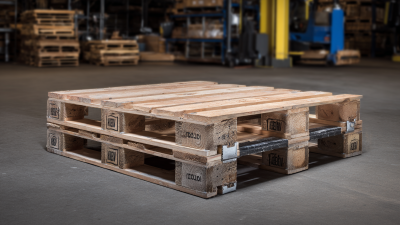
When it comes to the logistics world, picking the right Logistic Pallet Mould is a pretty big deal if you're serious about boosting efficiency. I mean, according to a report by MarketsandMarkets, the global logistics scene is projected to hit around $12.68 trillion by 2023 — pretty wild, right? That really highlights just how crucial smart supply chain solutions are these days. And let’s not forget, pallets are the unsung heroes in transportation and storage—they help keep everything safe and running smoothly.
Now, if you’ve got a good quality, well-designed Logistic Pallet Mould, it can seriously make a difference in how long your pallets last and how much you spend in the long run. Honestly, a lot of companies kinda miss the mark here—sometimes they don’t really consider what their specific goods need, which can lead to more damage during transit or storage. Things like load capacity and materials are super important, and customizing your pallet mold can give you better performance and a longer lifespan.
That said, industry folks often run into hurdles. It’s common for them to not fully understand how much their choices matter. For example, picking the wrong size or type of mould can cause all sorts of efficiency problems. So, it's really important for businesses to do their homework—think carefully about what they actually need in their logistics setup. Making smart, informed decisions can save you a bunch of resources and cut costs in the end.
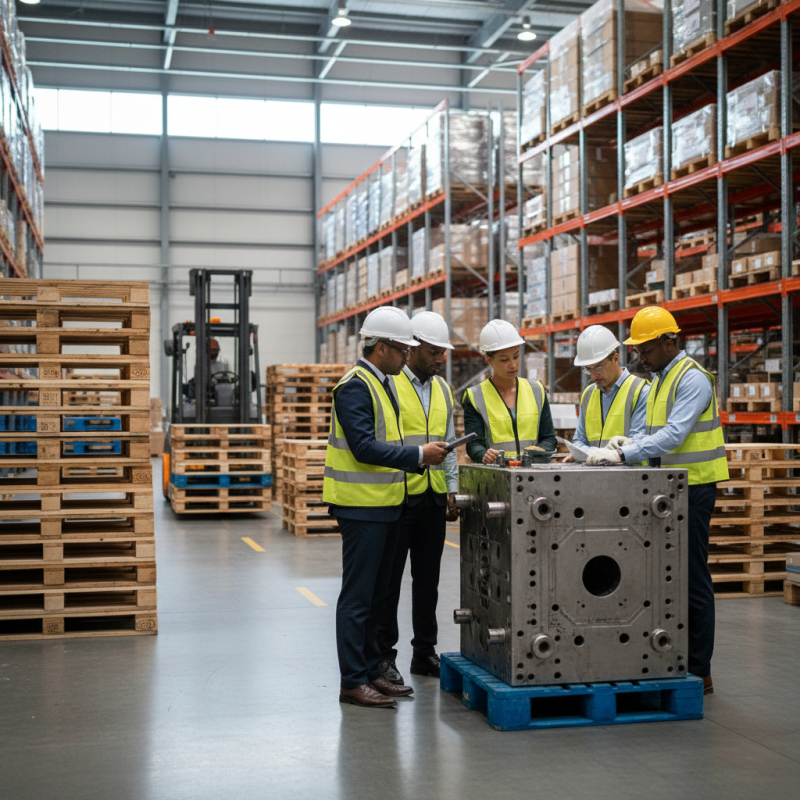
Understanding the Importance of Choosing the Right Logistic Pallet Mould
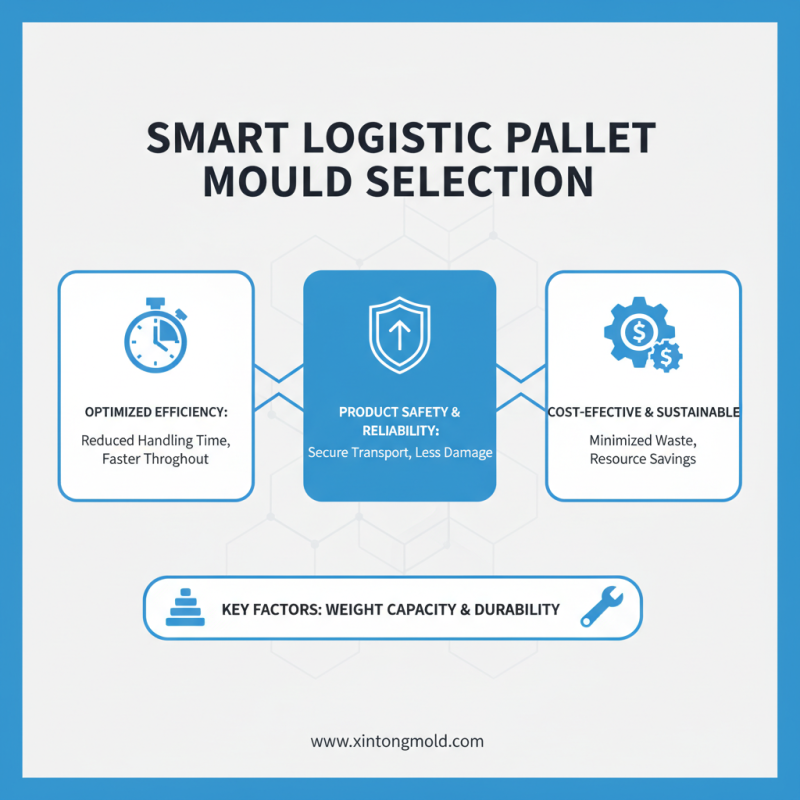
Choosing the right logistic Pallet Mould is crucial for efficiency. Different industries have specific needs. A poorly selected mould can lead to wasted resources. It can also increase handling time and compromise product safety. Understanding the weight capacity and durability is key when making a decision.
The size and design of the pallet are significant. They must align with storage requirements and transportation methods. Inadequate design may result in pallets that are hard to stack or fit into the transport vehicles. It's important to consider environmental factors like temperature and humidity, too. These details can affect the longevity of your pallet mould.
Engaging with professionals might seem like a great idea, yet relying solely on their suggestions can be misleading. Personal research is essential. You may find gaps in the recommendations provided. Always ask specific questions to address your unique requirements. Effective communication with mould manufacturers can unearth valuable insights that may otherwise be overlooked.
Key Factors to Consider When Selecting Logistic Pallet Moulds
When selecting logistic pallet moulds, there are several key factors to consider. Material selection is crucial. Common materials include plastic, metal, and wood. Each has its pros and cons. Plastic, for example, is lightweight and resistant to moisture. However, it may not hold as much weight as metal. Understand what you’ll be transporting to make the best choice.
Another important factor is the size of the pallet. Different products require different sizes. A standard size may not fit all your needs. You might need custom sizes for specific goods. Check your storage and transportation requirements carefully. This will save you from future complications.
Tips: Identify the weight capacity of your pallets. This ensures safe transportation without damage. Evaluate the lifecycle of the mould. Sometimes, investing a bit more upfront can save costs long-term. Aim to choose a mould that balances cost and durability for your specific applications.
Types of Logistic Pallet Moulds Available in the Market
When selecting a logistic pallet mould, it’s crucial to understand the types available. Various designs cater to different needs. Plastic Pallet Moulds stand out due to their lightweight and durability. They are ideal for industries requiring efficient handling and transportation. These moulds can withstand various environmental conditions, making them versatile.
Another popular option is wood pallet moulds. They offer sturdiness but come with weight limitations. While they are cost-effective, they may not perform well in wet conditions. Metal pallet moulds are also used, providing strength and longevity. However, they can be heavy and less practical for some applications.
Choosing the right mould requires careful consideration of your specific needs. It’s easy to overlook the impact of each type on logistics. Weight, durability, and environmental factors play a significant role. Reflect on your operations and assess which mould aligns with your goals. This thought process can help avoid costly mistakes in the future.
How to Choose the Right Logistic Pallet Mould for Your Needs?
| Type of Logistic Pallet Mould | Material | Weight Capacity | Applications | Estimated Cost |
| Wooden Pallet Mould | Plywood, Softwood | 1,500 kg | Heavy Goods, Agriculture | $50 - $80 |
| Plastic Pallet Mould | HDPE, PP | 1,200 kg | Food Industry, Pharmaceuticals | $70 - $120 |
| Metal Pallet Mould | Steel, Aluminum | 2,500 kg | Automotive, Machinery | $150 - $250 |
| Composite Pallet Mould | Plastic and Wood Fibers | 1,800 kg | Retail, Logistics | $100 - $180 |
Evaluating Your Storage and Transportation Requirements
When choosing the right logistic pallet mould, evaluating your storage and transportation needs is essential. Begin by assessing the type of products you handle. Are they small, fragile items or larger, durable goods? This distinction helps in selecting the right mould size and design, which directly influence storage efficiency.
Consider the storage space available. Measure your warehouse dimensions. How high can you stack pallets? Tight spaces may require slimmer or adjustable moulds. Additionally, take into account the frequency of goods movement. High turnover items may benefit from a lightweight mould, while those stored for longer periods might need something sturdier.
Don't forget about compliance and safety requirements. Each industry has its own regulations. Reflect on whether your current mould meets these standards. If not, it may lead to future headaches. Lastly, think about the future growth of your business. Will your storage needs change? Investing in versatile moulds now could save you from costly upgrades later.
Logistic Pallet Mould Selection: Evaluation of Storage and Transportation Requirements
Assessing Material and Durability Needs for Pallet Moulds
When selecting a Logistics Pallet Mould, the choice of materials is crucial. Different materials impact both the performance and longevity of the mould. For lightweight pallets, materials like high-density polyethylene (HDPE) are commonly used. They provide excellent chemical resistance and durability. However, they may not be suitable for heavy-duty applications.
Considering durability is equally important. Pallet moulds must endure repeated use and harsh conditions. Metal moulds may offer better resilience but can be more expensive. It’s essential to weigh the costs against potential savings from durability. A flawed choice here can lead to frequent replacements, negating any initial savings.
Additionally, reflect on the intended useof the pallet. Are they for indoor or outdoor conditions? Will they be subject to heavy loads or extreme temperatures? Understanding these factors is key to making an informed decision. The right Logistics Pallet Mould should match your unique operational needs while standing up to the rigors of use.
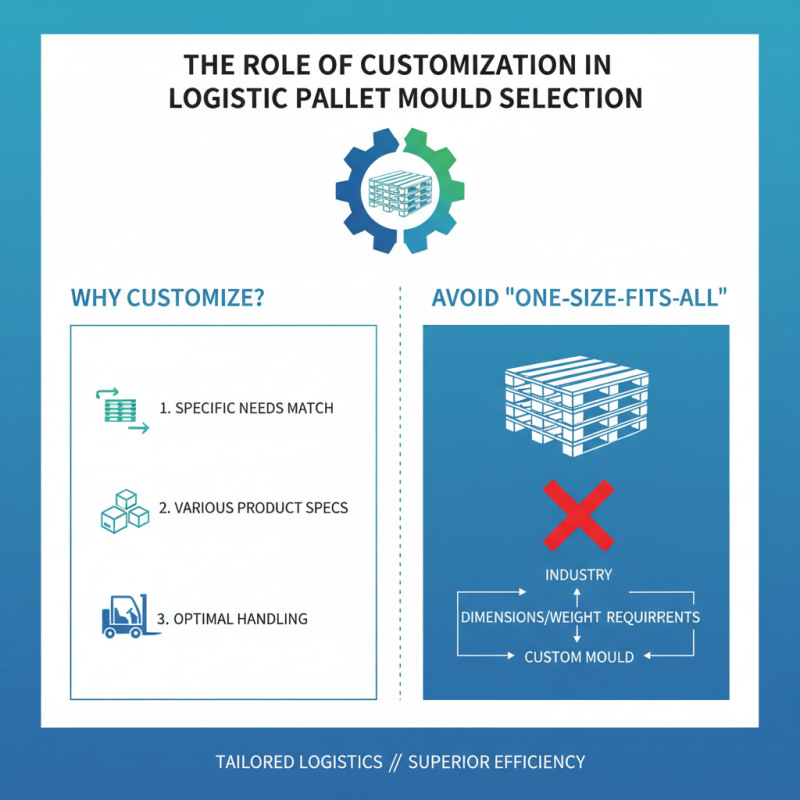
The Role of Customization in Logistic Pallet Mould Selection
When selecting a logistic pallet mould, customization plays a vital role. The design must align with your specific needs. A one-size-fits-all approach rarely works in logistics. Different industries have various product dimensions, weights, and handling requirements. Customization allows closer matching to these variables.
Consider material choice. Some operations require robust materials, while others may benefit from lightweight options. Custom molds can accommodate these preferences. Also, think about storage. A well-designed pallet ensures optimal space utilization. This reduces costs and maximizes efficiency.
However, not all custom molds are perfect. Sometimes, they may not yield expected results. You might encounter issues with fit or durability. It's essential to assess the design thoroughly before production. Gathering feedback after usage can provide insights. Reflecting on these experiences is key to improving future selections. Customization is powerful but requires careful consideration.
Budgeting and Cost Considerations for Logistic Pallet Moulds
When selecting a logistic pallet mould, budgeting is crucial. The cost can greatly vary based on materials and complexity. For instance, a basic pallet mould can range from $5,000 to $15,000. More intricate designs, particularly those tailored for special loads, may push costs to $30,000 or more. Understanding your requirements will help avoid overspending on unnecessary features.
The longevity of the mould also impacts the budget. High-quality steel moulds may have higher upfront costs but typically last longer. Reports indicate that the return on investment for sturdy pallet moulds can exceed 200% over their lifetime. Yet, some buyers may overlook maintenance costs, which can accumulate quickly and affect long-term savings.
Moreover, consider the production efficiency. While cheaper options may seem attractive, they can lead to slower production rates. This can hamper supply chain logistics. A recent study showed that companies using efficient Pallet Flat designs saw a 15% increase in throughput. It’s essential to weigh the immediate financial outlay against potential future gains. Making informed decisions can alleviate regrets later on.
Innovative Techniques in Advanced Plastic Dustbin Mould Production for Global Manufacturing Efficiency
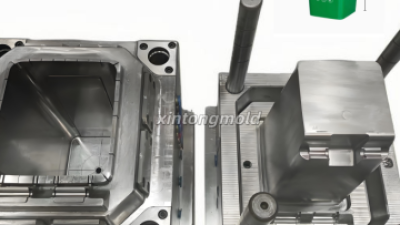
In the ever-evolving landscape of global manufacturing, innovative techniques in advanced plastic Dustbin Mould production play a pivotal role in enhancing operational efficiency. Rather than treating moulds as mere tools, manufacturers are beginning to recognize them as critical components that drive precision and performance in the production cycle. With market demands constantly shifting, moulds must be developed through a nuanced understanding of material science and design ergonomics to meet these challenges effectively.
Recent industry reports highlight that the global plastic injection moulding market is projected to reach USD 4.7 billion by 2026, reflecting a compound annual growth rate (CAGR) of 6.7%. This growth is largely driven by advancements in technology and materials, which allow for more sophisticated, production-ready moulds that cater to specific market needs. By collaborating closely with manufacturers, engineers can create moulds that not only improve the quality of the final product but also reduce cycle times and waste, contributing to a more sustainable manufacturing process.
The integration of automation and smart manufacturing technologies further enhances the capabilities of dustbin mould production. Data-driven insights enable manufacturers to optimize their processes, achieving higher efficiency and lower costs. By employing advanced techniques in the design and production of moulds, businesses can achieve a significant competitive advantage, ensuring they remain at the forefront of the industry. This evolutionary approach is not just about creating better dustbins; it’s about transforming the way manufacturers think about mould production to unlock new levels of efficiency and performance.
FAQS
: Common materials include plastic, metal, and wood. Each has unique advantages and limitations.
Knowing the weight capacity ensures safe transportation. It prevents damage and ensures efficiency during handling.
The correct size directly influences storage efficiency and transportation. Not all products fit standard sizes.
Evaluating the lifecycle helps in cost management. Sometimes, paying more upfront can reduce long-term expenses.
Different moulds perform variably in harsh conditions. Assess your operational environment before making a choice.
Measure your warehouse dimensions and stacking height. This ensures the moulds fit and can optimize the layout.
Lightweight moulds are better for high-turnover items. Sturdier moulds suit items stored longer.
Different industries have regulations. Ensuring compliance avoids complications and legal issues in the future.
Anticipating storage needs can guide your choice. Versatile moulds may prevent costly upgrades down the line.
Conclusion
Choosing the right Logistic Pallet Mould is crucial for optimizing storage and transportation efficiencies. Understanding the importance of this selection process involves considering key factors such as the specific requirements of your logistics operation, the types of moulds available in the market, and the unique demands of your storage solutions.
When evaluating Logistic Pallet Moulds, one should assess materials for durability and longevity, as well as consider customization options to meet exact operational needs. Budgeting plays a significant role as well, ensuring that the chosen moulds not only meet functional requirements but also align with financial constraints. By carefully analyzing these aspects, businesses can make informed decisions that enhance their logistics performance.