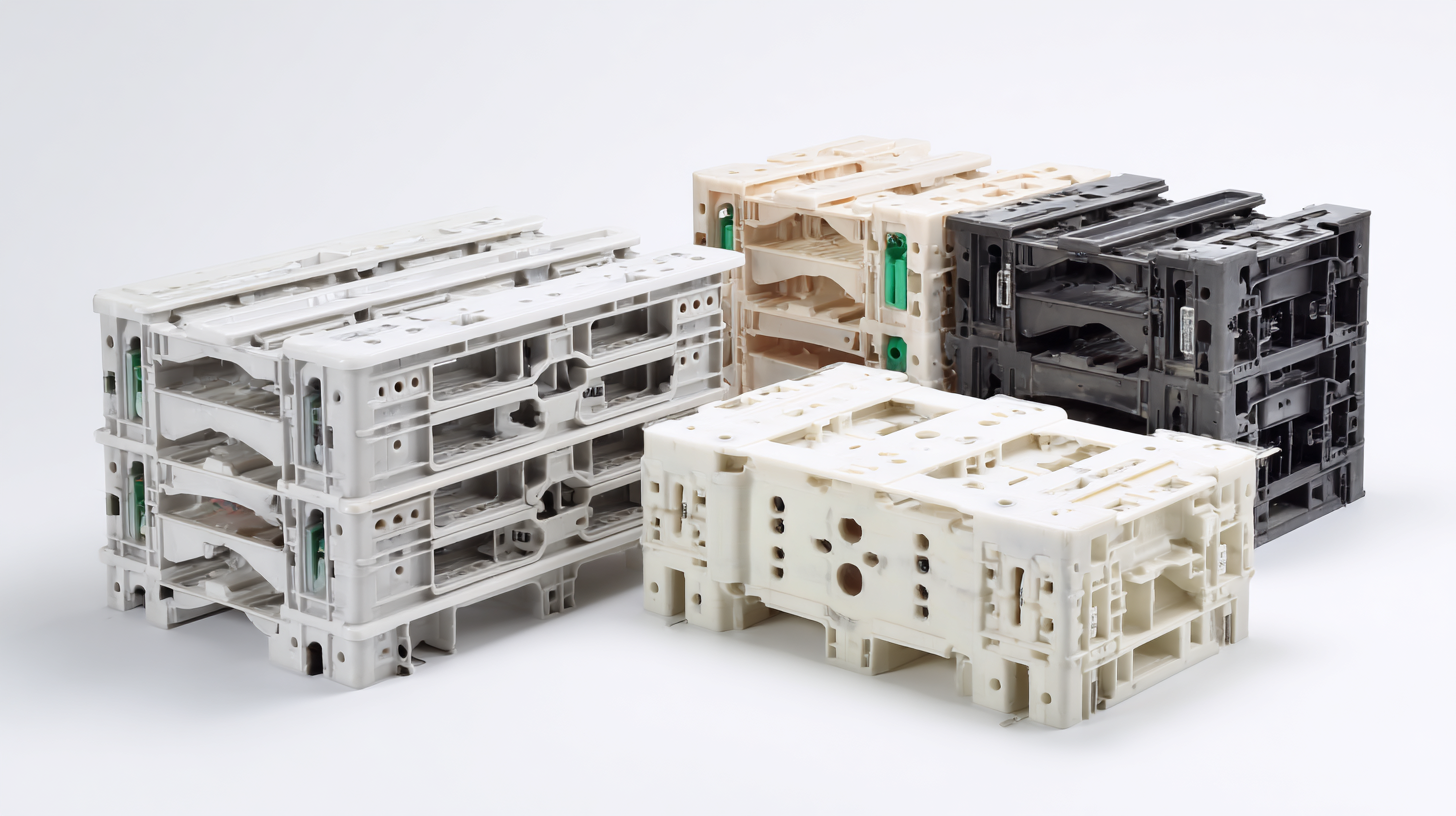
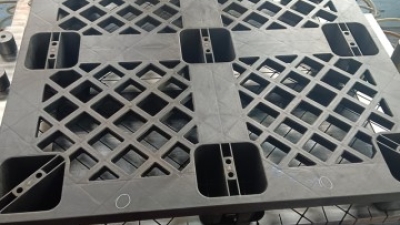
Picking the right logistic Pallet Mould can really make a difference when it comes to your business’s efficiency and overall productivity. I mean, as industry expert John Smith from Pallet Solutions Inc. puts it, “The right mould not only lasts longer but also helps smooth out the logistics process, cuts down costs, and boosts performance.” That just shows how crucial it is to choose the right mould if you want your logistics game to succeed.
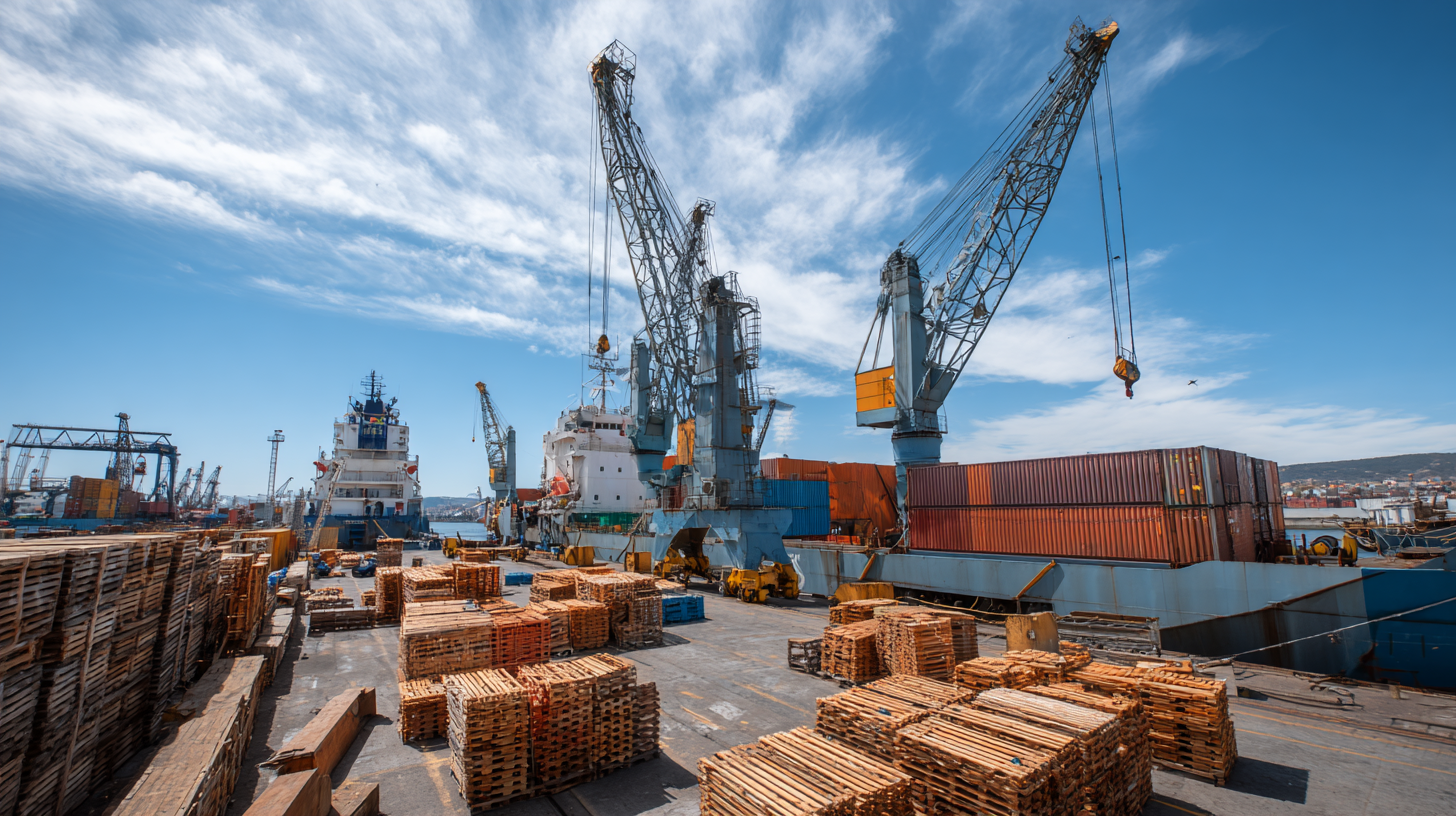
Now, in the world of logistics, pallets are absolutely key for moving goods around. And let’s be honest, the moulds used to create these pallets can vary a lot in design and features. So, it’s pretty important for businesses to get a good grasp of different mould types and what they’re good for — especially if you’re looking to make your supply chain more efficient and keep up with changing market demands. In this intro, I’ll go over some of the main things you should consider when choosing a Logistic Pallet Mould, so you can make smarter decisions that fit your operations.
By looking at stuff like the material, design, and what you plan to use the pallet for, companies can really customize their solutions. And with tips from industry folks like John Smith, navigating the whole mould selection process doesn’t have to be so overwhelming. It’s all about setting yourself up for better logistics and smoother operations.
Understanding Your Business Requirements for Logistic Pallet Moulds
Choosing the right logistic pallet mould begins with a thorough understanding of your business requirements. Factors such as the type of goods you handle, their weight and dimensions, and the frequency of use are critical in determining the specifications of the mould. If you deal with heavy or bulky items, for instance, you'll need a mould designed to withstand greater stress and enhance durability. On the other hand, if your operations involve lighter products, you can opt for a more cost-effective, lightweight design.
Additionally, consider the environmental conditions that pallets will be exposed to, including temperature variations and humidity. This influences the material choice for the mould. For businesses that operate in harsh conditions, opting for robust materials like high-density polyethylene or polypropylene is advisable. Furthermore, aligning the mould choice with your production processes, including the ability to standardize or customize sizes, ensures efficiency and cost-effectiveness. By carefully analyzing these aspects, you can select a logistic pallet mould that not only meets but exceeds your business needs.
Evaluating Material Options for Durability and Cost-effectiveness
When choosing the right logistic pallet mould for your business needs, evaluating material options is crucial for ensuring both durability and cost-effectiveness. Common materials include high-density polyethylene (HDPE), polypropylene, and wood, each offering distinct advantages. HDPE and polypropylene are favored for their lightweight properties and resistance to chemicals, making them ideal for industries requiring sanitation and durability. These plastic pallets often last longer than their wooden counterparts, providing a better return on investment over time.
On the other hand, wooden pallets remain a popular choice due to their lower upfront costs and widespread availability. They are easier to repair and recycle, offering a sustainable option for businesses focused on eco-friendliness. However, wooden pallets may require additional treatments to protect against pests and moisture, potentially increasing long-term maintenance costs. Ultimately, selecting the right material involves balancing initial expenses with potential durability and lifecycle costs, ensuring that the chosen pallet mould aligns with operational needs and budget constraints.
Assessing Size and Design Specifications for Optimal Efficiency
When selecting the right logistic pallet mould for your business, assessing size and design specifications is crucial for achieving optimal efficiency. According to a recent report by the Material Handling Industry of America (MHIA), businesses that tailor their pallet designs to specific transportation and storage needs can enhance operational efficiency by up to 30%. This underscores the importance of evaluating dimensions, load capacity, and ergonomics in your mould design. For instance, a standard pallet size of 48x40 inches is often ideal for transporting goods in North America, but variations may be necessary depending on the product and logistics model.
Additionally, understanding the load distribution characteristics is vital. The International Journal of Logistics Management highlights that improperly designed pallets can lead to increased breakage and spoilage rates, ultimately costing companies up to 20% more in logistics expenses. Mould designs should not only adhere to industry standards but also incorporate features like non-slip surfaces and reinforced corners to withstand heavy weights and prevent damage during transit. By meticulously considering these design specifications, businesses can significantly reduce waste and improve their supply chain performance.
How to Choose the Right Logistic Pallet Mould for Your Business Needs
| Pallet Type | Dimensions (L x W x H) | Load Capacity (kg) | Material | Ideal Usage |
| Plastic Pallet | 1200 x 800 x 150 mm | 1500 | HDPE | Food Industry |
| Wooden Pallet | 1200 x 1000 x 150 mm | 1200 | Pine | General Freight |
| Metal Pallet | 1200 x 1000 x 100 mm | 2000 | Steel | Heavy Machinery |
| Composite Pallet | 1200 x 800 x 120 mm | 1400 | Recycled Materials | E-commerce |
Considering Manufacturing Processes and Delivery Timelines
When choosing the right logistic pallet mould for your business, understanding manufacturing processes and delivery timelines is crucial. Reports from the Logistics Management Institute indicate that over 25% of supply chain delays are attributed to inefficient mould design and production. Companies that streamline their mould production can reduce lead times by up to 30%, significantly impacting overall operational efficiency.
Tips: When evaluating mould suppliers, consider their production capabilities. Look for those that utilize advanced manufacturing techniques, such as injection moulding, which offers precision and reduces time to market. Additionally, inquire about their ability to adapt mould designs quickly to meet changing needs.
Another key factor in selecting the right pallet mould is understanding the demand for different types of pallets. According to a recent survey by the Pallet Manufacturers Association, 45% of companies reported that choosing the right material and design directly correlates with reducing transportation costs. Opting for lightweight yet durable materials can enhance transport efficiency while maintaining product integrity during shipping.
Tips: Assess your typical freight routes and package requirements when selecting mould specifications. Collaborating with a supplier familiar with your specific logistics challenges can result in bespoke solutions that improve delivery timelines and cost-effectiveness.
Identifying Reliable Suppliers and Their Quality Standards
When choosing the right logistic pallet mould for your business needs, identifying reliable suppliers is paramount. A good supplier not only provides high-quality products but also adheres to stringent quality standards that align with your operational requirements. Conducting thorough research on potential suppliers, including their certifications, production capabilities, and customer reviews, can greatly enhance your confidence in the sourcing process. Engaging suppliers who practice Total Quality Management (TQM) can further ensure that the products meet your specifications consistently, leading to increased efficiency and customer satisfaction.
In an environment where procurement strategies and cost benchmarking are essential, companies should focus on establishing strong partnerships with suppliers. This involves assessing not just the cost but also the reliability and quality of the products offered. A holistic approach that includes evaluating suppliers based on performance metrics and industry standards can streamline procurement processes. In 2025, a well-structured procurement strategy, leveraging tools like benchmarking services, will help businesses secure the best value and achieve optimal performance in their logistics operations.
Choosing the Right Logistic Pallet Mould: Supplier Quality Standards
Analyzing Long-term Maintenance and Replacement Costs
When selecting the right logistic pallet mould for your business, it is crucial to consider long-term maintenance and replacement costs. Investing in high-quality pallet moulds can lead to significant savings over time. Durable moulds reduce the frequency of repairs and replacements, which not only minimizes downtime but also lowers overall operational costs. Businesses should evaluate the material and design of the moulds, as these factors can greatly influence their longevity and performance.
Additionally, analyzing the total cost of ownership is essential. This includes not just the initial purchase price but also ongoing expenses related to maintenance, repairs, and potential replacements. Opting for modular designs or those made from advanced materials could lead to lower maintenance costs in the long run. By weighing these factors, businesses can make more informed decisions, ensuring that they select pallet moulds that align with both their budget and operational requirements, ultimately maximizing efficiency and profitability.
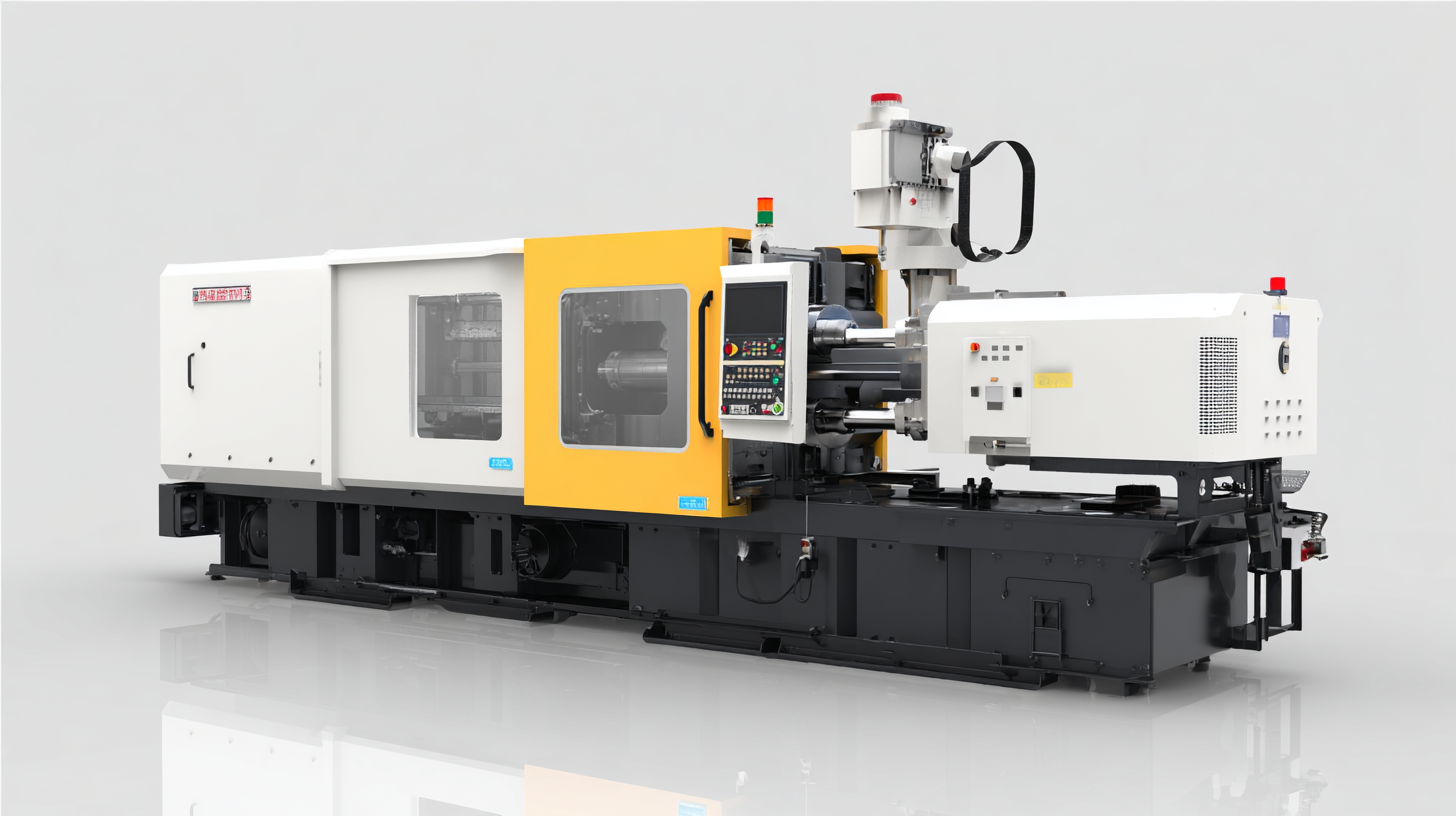
Optimizing Efficiency in Supply Chain Operations with 9-Runner Logistics & Warehouse Plastic Pallet Moulds
In today's fast-paced supply chain operations, optimizing efficiency is paramount. The integration of innovative logistics solutions like 9-Runner logistics and specialized warehouse Plastic Pallet Moulds plays a critical role in enhancing operational performance. One of the most effective tools for achieving this is the injection-molded grid-type plastic pallet. Designed for robust and lightweight logistics, it serves as an ideal platform for efficient material handling and storage.
These pallets, crafted from high-density polyethylene (HDPE) or polypropylene (PP), exhibit a reinforced grid structure complemented by interlocking ribs. This design not only ensures superior strength but also facilitates optimal load distribution. The open-grid design significantly reduces weight while retaining a high load capacity, making these pallets perfect for various applications, including racking, stacking, and forklift handling. By adopting such durable and efficient pallets, supply chain operations can streamline their processes and achieve greater adaptability in meeting dynamic market demands.
Implementing 9-Runner logistics with advanced plastic pallet solutions enables businesses to simplify their warehousing strategies, improve inventory management, and reduce overall operational costs. By investing in these innovative logistics tools, companies can achieve enhanced agility and performance in their supply chain operations, ultimately driving success in a competitive landscape.
FAQS
: Identifying reliable suppliers is crucial because they not only provide high-quality products but also adhere to quality standards that meet operational requirements, ensuring efficiency and customer satisfaction.
You should research their certifications, production capabilities, and customer reviews to enhance your confidence in the sourcing process.
Suppliers practicing TQM can ensure that their products consistently meet specifications, leading to increased efficiency and higher customer satisfaction.
Companies should assess not just the cost, but also the reliability and quality of the products while evaluating suppliers based on performance metrics and industry standards.
Businesses should consider long-term maintenance and replacement costs, as investing in high-quality pallet moulds can lead to significant savings over time.
The material and design influence the moulds' longevity and performance, so selecting durable moulds can reduce the frequency of repairs and replacements.
The total cost of ownership includes the initial purchase price along with ongoing expenses related to maintenance, repairs, and potential replacements.
Modular designs or those made from advanced materials can lead to lower maintenance costs in the long run, improving overall efficiency and profitability.
A well-structured procurement strategy can help businesses secure the best value and achieve optimal performance in their logistics operations by leveraging tools like benchmarking services.
Conclusion
When selecting the right Logistic Pallet Mould for your business, it is essential to thoroughly understand your specific requirements, including durability, cost-effectiveness, and design specifications. Evaluating materials that offer longevity while balancing expenses is crucial to ensuring efficiency in your operations. Additionally, manufacturers should consider production timelines and identify reliable suppliers who prioritize quality standards.
At Taizhou Huangyan Xintong Mold Co., Ltd., we offer expertise across multiple industries, including logistics, where our customized molding solutions can meet diverse business needs. Analyzing long-term maintenance and potential replacement costs will further help in making an informed decision that supports sustained operational efficiency and productivity.