inquiry
Leave Your Message
0%

Hey there! In today’s pretty competitive world of manufacturing, getting your Rack Tray Molds just right is a big deal if you want to boost efficiency and cut down costs. At Taizhou Huangyan Xintong Mold Co., Ltd., we really focus on providing top-notch, tailor-made molding solutions for a bunch of industries—think medical equipment, logistics, home furniture, electrical appliances, you name it. Our team's pretty good at mold design and production, so we get what our clients need, helping them get the most out of their products in terms of quality and output.
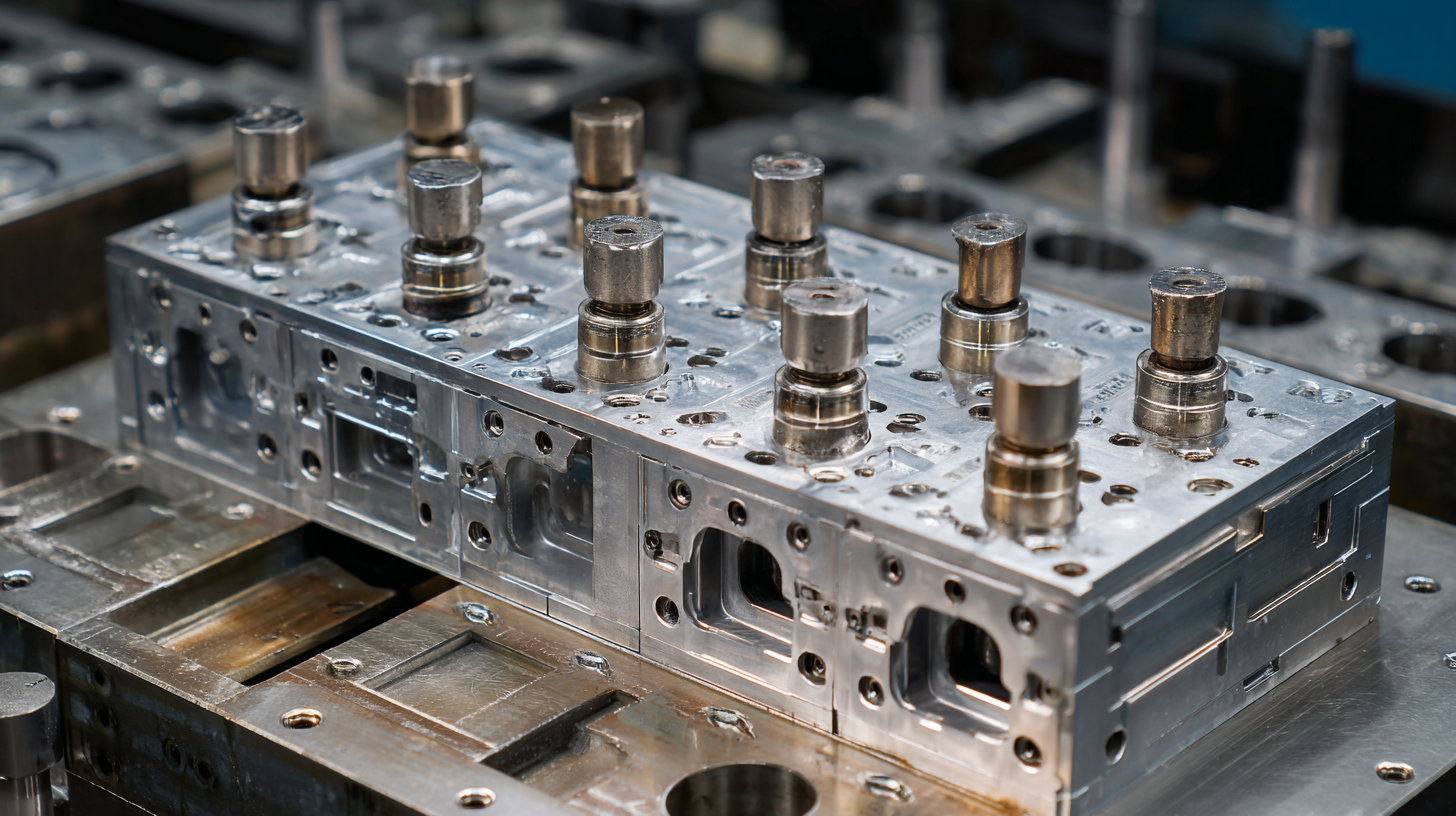
How to Optimize the Production of Rack Tray Molds for Maximum Efficiency

In this post, I want to share some practical tips and best practices to optimize your rack tray mold production. The goal? Make your manufacturing process smoother, more efficient, and keep up those high standards everyone’s looking for these days.

Understanding the Importance of Rack Tray Mold Design in Production Efficiency

When it comes to making rack tray molds, their design really plays a huge role in how smoothly and efficiently things run in a manufacturing setup. If you get the design right, it can cut down cycle times, cut back on wasted materials, and boost the overall quality of the products. Funny thing is, a report from the Society of Manufacturing Engineers shows that mold design is responsible for up to 30% of production efficiency—which really emphasizes just how important it is to invest in smart, innovative design techniques and quality materials. These improvements not only make molds more durable but also make maintenance easier and speed up production times.
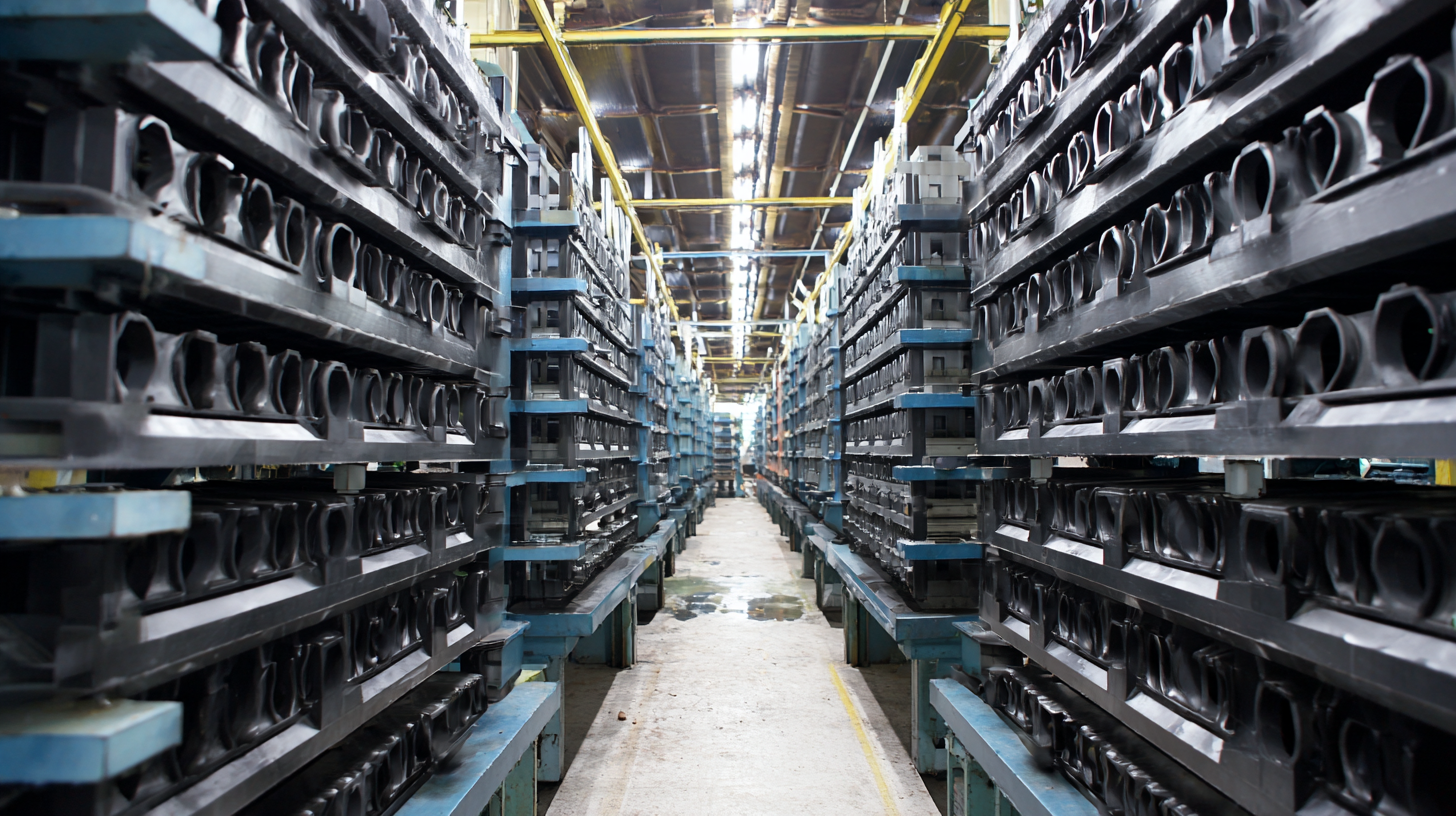
How to Optimize the Production of Rack Tray Molds for Maximum Efficiency

Here's a little tip: when you’re working on optimizing your mold design, don’t shy away from using modern tech like CAD and simulation software. They’re super helpful for visualizing potential improvements before you even start production. This way, you can catch mistakes early and streamline the whole workflow.

Also, considering advanced materials—like high-performance thermoplastics—can make a big difference in how long your molds last and how well they perform. In fact, research suggests that molds made from these tough materials can handle more stress and temperature swings, which can bump up their lifespan by about 20%.

And here’s another pro tip: keep reviewing and updating your mold designs based on real production feedback. Staying on top of new materials and tech ensures your process stays efficient, meets the latest manufacturing standards, and satisfies customer expectations. So, basically—stay innovative, keep refining, and your molds will serve you well for longer!

Key Factors Influencing Rack Tray Mold Optimization

To really boost the efficiency of producing rack tray molds and cut down on costs, focusing on the right design and manufacturing process is a must. You know, a solid mold design can actually cut production time by up to 30%, which is pretty impressive. This is mostly thanks to cool stuff like advanced 3D modeling software and 3D printing—tools that let you quickly prototype and make tweaks before diving into full-blown production. It’s like having a test run without the heavy investment.

And don’t forget about choosing the right materials. Using high-performance materials can really make your molds last longer—by anywhere from 25% to even 50%. That means less downtime, fewer repairs, and fewer replacements, saving a ton of time and money. Plus, bringing automation into the mix can slash labor costs by around 20%. This way, companies can put their resources to better use instead of pouring them into repetitive tasks.

All in all, by paying attention to smart design, quality materials, and smart automation, manufacturers can get the most out of their rack tray mold production—more efficiency, less waste, and better results overall.

Key Factors Influencing Rack Tray Mold Optimization

Innovative Techniques for Enhancing Rack Tray Mold Production

In today's manufacturing world, optimizing how we produce rack tray molds is super important if we want to be more efficient and cut down costs. One cool trick that's really catching on is using advanced CAD software to make the design process smoother. With parametric modeling, for example, manufacturers can tweak mold specs easily on the fly, making sure the final product hits all the right marks. It speeds up the whole design phase and helps prevent mistakes that might cause costly delays.

On top of that, bringing automation into the mix can really boost production. Robotic systems handling molds and assembling parts mean consistent quality and faster turnarounds. Plus, smart sensors that track production in real-time let teams spot issues early and make adjustments right away. These new strategies not only make things run more smoothly but also help create a greener, more sustainable manufacturing environment by wasting less and using resources smarter.

How to Optimize the Production of Rack Tray Molds for Maximum Efficiency

Measuring Production Efficiency: Metrics and Best Practices

When it comes to making rack tray mold production run smoother and more efficient, really understanding and keeping tabs on how well we're doing is key. At Taizhou Huangyan Xintong Mold Co., Ltd., we know that measuring things like cycle time, scrap rate, and how much the machines are being used can give us a pretty good idea of where we’re excelling and where there’s room to tighten things up. By watching these numbers, companies can spot the quirks and bottlenecks, so every step of the molding process gets faster and waste gets cut down—kind of like fine-tuning a machine until it’s purring perfectly.

Getting into the habit of best practices in mold making is pretty much a must if you want to boost efficiency. That might mean using some of the latest tech like CAD and CAM for designing and machining with crazy precision, or setting up automation to cut back on manual work and mishaps. And let’s not forget regular maintenance—keeping the machines in tip-top shape keeps downtime at bay and keeps everything on schedule. Here at Xintong Mold, we’re proud to partner with various industries like medical equipment and logistics. Our goal is to not only meet industry standards but to push beyond them, offering tailored solutions that help our clients crank out more with less hassle and higher quality.

Common Challenges in Rack Tray Mold Production and Solutions

When it comes to making rack tray molds, manufacturers often run into a few common hurdles that can really slow things down. One big problem is inconsistency in the raw materials—stuff can vary, and that sometimes results in defects in the finished product. To avoid that, it’s super important to have solid quality control in place for the raw materials. Running thorough tests and checks helps make sure you’re using the best materials possible, which means fewer defects and a smoother, more efficient production process.

Another issue that crops up a lot is the shortage of skilled workers. Without the right expertise, things can get bogged down pretty quickly. Investing in training programs is a game-changer — it helps your team get up to speed and sharpens their skills. When workers are better trained, mistakes happen less often, and the workflow gets a lot smoother. And hey, embracing new tech — like automation — can really make a difference too. It’s a great way to take some of the pressure off the labor force while speeding up the whole thing, leading to more efficient mold production overall.

How to Optimize the Production of Rack Tray Molds for Maximum Efficiency

Challenge Description Solution Expected Outcome
Inconsistent Quality Variability during manufacturing leads to defects. Implement tight quality control protocols. Reduced defect rate and improved product uniformity.
Long Lead Times Delays in mold production affect deadlines. Streamline mold design and prototyping processes. Faster time-to-market for new products.
High Costs Rising material and labor costs affect margins. Invest in automation and efficient machinery. Lower production costs and improved profitability.
Material Waste Excess scrap during mold fabrication increases costs. Optimize material usage through advanced design techniques. Reduced waste and more sustainable operations.
Inefficient Processes Suboptimal workflow leads to downtime. Conduct a process audit to identify bottlenecks. Enhanced workflow and increased production rates.

Maximizing Efficiency and Sustainability with Durable Customizable Plastic & Metal Trash Bin Molds

In today's world, where sustainability and efficiency are paramount, the choice of materials and manufacturing processes in waste management products becomes crucial. Our durable customizable plastic and metal trash bin molds are designed with these principles in mind, ensuring that both performance and environmental responsibility are seamlessly integrated. Engineered for precision, these molds facilitate the production of high-quality trash bins that can withstand the rigors of everyday use while minimizing defects.

The innovative design of our dustbin molds allows for a variety of shapes, sizes, and capacities to meet the diverse needs of households, commercial spaces, and industrial facilities. Whether it's for residential recycling or large-scale waste management, these molds support injection molding or blow molding processes, enabling manufacturers to produce bins that not only serve their purpose effectively but also enhance the aesthetic of their surroundings. By investing in these high-performance molds, businesses can contribute to a more sustainable future while maximizing operational efficiency.

FAQS

: Why is rack tray mold design important for production efficiency?

: Rack tray mold design is crucial as it can reduce cycle times, minimize material waste, and enhance product quality. Properly engineered molds can account for up to 30% of production efficiency.

How can smart technologies improve mold design?

Integrating smart technologies like CAD and simulation software allows manufacturers to visualize potential improvements in mold design, reducing error rates and enhancing workflow before production begins.

What materials should be used in rack tray mold production?

Advanced materials such as high-performance thermoplastics are recommended, as they can withstand higher stress and temperature variations, significantly increasing the mold lifespan by approximately 20%.

What metrics should be used to measure production efficiency?

Production efficiency can be evaluated using various metrics, including cycle time, scrap rate, and machine utilization to identify areas for improvement in the mold production process.

What are some best practices for optimizing mold production?

Best practices include using advanced technologies like CAD and CAM, implementing automation to reduce manual labor, and ensuring regular maintenance of machinery to prevent downtimes.

What common challenges do manufacturers face in rack tray mold production?

Common challenges include material inconsistencies and lack of skilled labor, both of which can hinder production efficiency and lead to defects in the final product.

How can manufacturers ensure high-quality raw materials?

Establishing strict quality control measures and rigorous testing procedures for raw materials can help ensure that only high-quality materials are used, reducing the risk of defects.

What solutions can address the shortage of skilled labor in mold production?

Investing in training programs for employees can bridge the skills gap, while incorporating advanced technologies and automation can streamline operations and help alleviate labor shortages.

Conclusion

In today’s super competitive world of manufacturing, really nailing the production of Rack Tray Molds is key to making everything run smoother and more efficiently. A good mold isn’t just about speed; it plays a huge role in the quality of the final product and can even help cut down costs. For manufacturers, it’s pretty important to understand what factors impact mold optimization — like choosing the right materials and paying attention to the design details. And let’s be honest, using some of the latest tech, like advanced simulation tools or automation, can seriously boost how effectively mold production is handled.

At Taizhou Huangyan Xintong Mold Co., Ltd., we totally get how crucial it is to optimize production, especially for Rack Tray Molds that are used in all sorts of industries like medical devices or home furniture. We’re all about following best practices to measure and improve efficiency, while tackling common challenges head-on. Our goal? To deliver high-quality, customized molding solutions that fit whatever our clients need — no matter how big or small their project is.


Charlotte

Charlotte

Charlotte is a seasoned marketing professional with extensive expertise across diverse industries, including medical equipment, logistics, home furniture, and electrical appliances. Her profound understanding of these sectors allows her to effectively communicate the value and quality of the......
Previous Navigating the Water Tank Mold Market in 2025 Trends Insights and Best Practices for Success