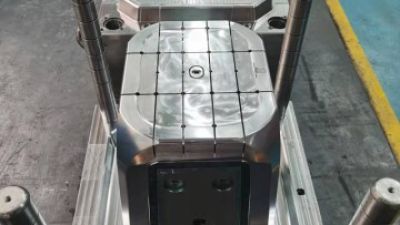
Getting the Turnover Container Mould just right is pretty key if you want to boost your production efficiency. Honestly, a lot of companies tend to overlook some basic stuff here, which can cause quite a few performance hiccups. This mould is actually super important when you're processing different materials. When it’s designed properly, it not only speeds things up but also helps in producing higher quality products.
Companies like MouldTech have really invested in cutting-edge tech to optimize their moulds. But, even then, they sometimes hit snags that make them rethink their approach. For example, if the cooling channels aren’t set up correctly, it can cause uneven cooling, which messes with the final product’s quality. Regular check-ups and tweaks can fix these problems, but let’s be honest — they often get pushed aside.
Getting feedback from operators might seem like a bit of a hassle, but honestly, it can uncover hidden flaws you might not notice otherwise. A mould that looks perfect on paper doesn’t always perform as well in the real world. In the end, understanding what works and what doesn’t with the Turnover Container Mould is super important for keeping things running smoothly. It’s all about continuous improvement, right? Keep learning, keep tweaking — that’s how you stay ahead.
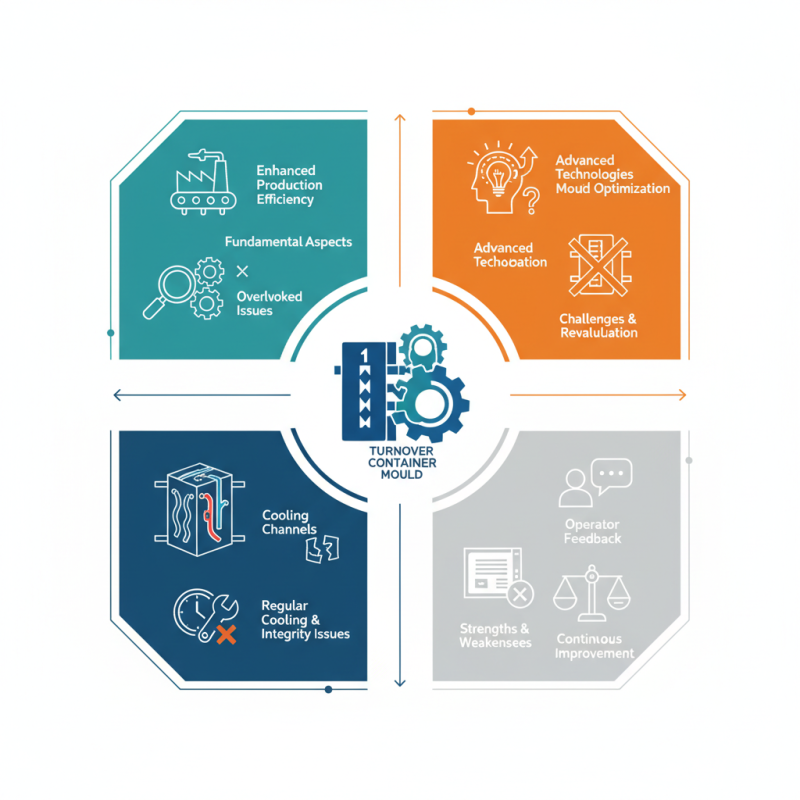
Understanding the Importance of Turnover Container Mould Optimization
Turnover container mould optimization is crucial for enhancing overall performance. Understanding this process starts with recognizing how it impacts production efficiency. A well-optimized mould can reduce cycle times and improve product quality. When moulds are inefficient, resources are wasted. This not only increases costs but can lead to lower customer satisfaction.
Here are a few tips to enhance mould optimization:
- Regularly inspect moulds for wear and tear. Small cracks can lead to major defects.
- Adjust cooling systems to ensure even temperature distribution. Uneven cooling may cause warping.
- Analyze past production runs. Identify areas where time was lost or products failed to meet standards.
Mistakes are part of the learning curve. Some optimization techniques may not yield immediate results. A specific change might affect the mould differently than expected. Monitor changes closely and be willing to adjust plans as needed. The goal is constant improvement and learning from missteps.
Key Factors Affecting the Performance of Turnover Container Mould
The performance of turnover container moulds relies on several key factors. Material selection is paramount. The right materials ensure durability and heat resistance. According to industry reports, high-grade steel can increase mold lifespan by up to 30%. This leads to cost savings in the long run.
Cooling efficiency is another critical factor. An effective cooling system shortens cycle times significantly. Data shows that optimizing cooling rates can improve production efficiency by nearly 25%. Inadequate cooling can lead to defects and extended production times, which ultimately hurt profitability.
Precision in design also plays a vital role. Inaccurate measurements can cause misalignments, leading to higher scrap rates. A study highlighted that molds with precise tolerances reduced rework needs by 40%. It's crucial to continuously analyze and refine the design processes to enhance overall production performance. Neglecting these aspects invites operational inefficiencies.
Materials Selection for Enhanced Turnover Container Mould Durability
When optimizing a turnover container mould, material selection is crucial for durability. The right materials not only enhance performance but also extend the life of the mould. Common choices include high-grade steel and composite materials. Steel offers strength, while composites are lightweight yet durable.
Tips: Consider the environment where the mould will be used. This impacts material choices significantly. Ensure the selected materials resist wear and corrosion. Regular testing can reveal weaknesses in your current mould materials.
Maintenance also plays a role. Even with the best materials, neglect can lead to issues. Inspect your mould regularly for signs of wear, such as cracks and rust. Addressing these problems early prevents bigger issues down the line.
Remember, the perfect material is not just about high quality. It should also be practical and economical. A balance between cost and performance is essential. Sometimes, opting for a slightly lesser quality material can yield better overall results.
Design Techniques to Improve Turnover Container Mould Efficiency
Optimizing turnover container moulds requires careful design techniques. Efficiency begins with material selection. Using high-strength materials can lead to better durability. This reduces wear and tear over time. A mould that lasts longer can save costs on replacements and repairs.
Another technique involves incorporating advanced cooling systems. Effective cooling reduces cycle times. It also ensures even temperature distribution. Uneven temperatures can lead to defects. To avoid this, a well-planned cooling channel layout is essential.
Reflection is crucial in the design process. Sometimes, designs don’t perform as expected. This is a common issue. Regular testing can highlight flaws. Adjusting designs based on feedback can lead to significant improvements. Small tweaks can make a big difference in overall performance. Always question the effectiveness of your current design.
Optimization of Turnover Container Mould Efficiency
Analyzing Industry Case Studies on Turnover Container Mould Performance
The performance of turnover container moulds greatly influences production efficiency. Industry data shows that optimizing the cooling process can reduce cycle times by up to 25%. However, many facilities still rely on outdated cooling methods, which can lead to inconsistent mould temperatures. This inconsistency often results in defects, increasing scrap rates.
Recent case studies highlight the importance of material choice. A 2022 report indicated that moulds made from advanced composites performed 30% better in durability tests. However, many companies shy away from these materials due to cost concerns. This reluctance often results in higher maintenance costs down the line. Investing in high-quality materials could prevent costly repairs and downtime.
Another critical aspect is design complexity. While intricate designs can enhance functionality, they can also complicate the mould-making process. A study revealed that companies with simpler designs reported 15% fewer production issues. It's essential to balance sophistication with manufacturability. Reflecting on these elements can lead to more effective operational strategies and improved overall performance in turnover container moulds.
Best Practices for Maintenance and Upkeep of Turnover Container Mould
Maintaining turnover container moulds requires a methodical approach. Regular inspections are essential. Look for any signs of wear or damage. A small crack can lead to bigger issues. Cleaning should be done frequently. Dust and debris accumulate easily. A mold with dirt affects the final product.
Lubrication is vital in this process. It ensures smooth operation and reduces friction. Use the recommended lubricants for best results. Remember to check the seals and joints. They may degrade over time, impacting performance. Record any maintenance done. This practice makes tracking easier and helps in assessing the mould’s condition.
Reflect on past issues. If a mould frequently malfunctions, analyze why. Maybe the handling was incorrect. It's crucial to train staff properly. A poorly informed team can lead to mistakes. Set a routine, but be flexible with it. Adapt to changes in usage as necessary. Constant evaluation can turn a mediocre mould into a high performer.
Future Trends in Turnover Container Mould Innovation and Technology
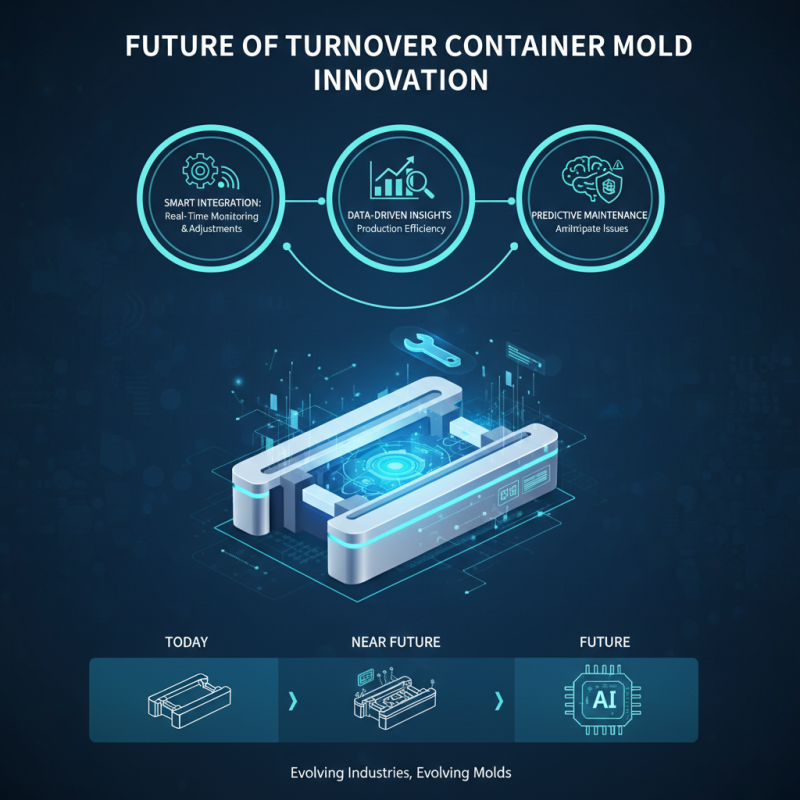
The future of turnover container mould innovation is an exciting topic. As industries evolve, so do mould technologies. One noticeable trend is the integration of smart technology. This allows for real-time monitoring and adjustments. Data-driven insights can improve production efficiency significantly. Imagine a mould that can predict maintenance needs before issues arise.
To keep pace with these innovations, manufacturers must adapt quickly. Invest in staff training on new technologies. Embrace automation where possible. Tips for staying ahead include analyzing production data and seeking feedback from operators. These simple actions can lead to improvements and innovations that extend beyond mere machinery.
Another emerging trend is eco-friendly materials. Sustainable practices are becoming essential. Lightweight materials improve handling and reduce energy consumption. This is not just a trend; it’s a necessity. Companies need to rethink their material choices. Are they really contributing to sustainability? It's a question worth exploring as the industry looks to the future.
Maximizing Cleanliness and Sustainability: The Role of Durable Customizable Plastic & Metal Trash Bin Molds in Waste Management
In the pursuit of maximizing cleanliness and sustainability, the integration of durable customizable plastic and metal trash bin molds plays a crucial role in effective waste management. These molds are meticulously engineered to produce trash bins that not only withstand the test of time but also demonstrate exceptional functionality. With options for injection and blow molding processes, manufacturers can create bins that fulfill diverse needs across households, commercial spaces, and industrial sectors.
The versatility of these molds enables the production of trash bins in various sizes, shapes, and capacities, catering to an array of waste disposal requirements. This adaptability is vital in maintaining cleanliness in different environments, as tailored solutions can enhance the efficient collection and segregation of waste. Furthermore, the superior durability of these bins reduces the frequency of replacements, contributing to sustainable practices by minimizing waste and the environmental impact associated with manufacturing and disposing of inferior products.
Ultimately, the role of durable customizable plastic and metal trash bin molds is instrumental in fostering a cleaner, more sustainable future. By facilitating the consistent, defect-free production of high-performance waste management solutions, these molds pave the way for increased efficiency and improved sanitation in our communities, aligning with global sustainability goals.
FAQS
: Being mindful means paying attention to the present moment. It involves recognizing thoughts and feelings without judgment.
You can start with short meditation sessions. Focus on your breath for a few minutes each day.
Yes, meditation can reduce stress and improve focus. It may also enhance overall well-being and emotional health.
Beginners can start with just 5-10 minutes. Gradually increase the time as you feel more comfortable.
Not exactly. Mindfulness involves active awareness, while relaxation is often about letting go of stress.
Many people find that mindfulness can reduce feelings of anxiety. It may also help gain better perspective on worries.
It's normal for the mind to wander. Gently bring your focus back to your breath or your surroundings.
No, you don't need any tools. A quiet space and your own presence are often enough.
Try to focus on the activity at hand. Whether eating or walking, pay attention to details like taste or movement.
Some may struggle with distractions. It can feel frustrating when thoughts interrupt your practice. That's okay; keep trying.
Conclusion
Optimizing Turnover Container Mould is crucial for enhancing efficiency and maximizing productivity in manufacturing processes. This involves understanding the importance of mould optimization and identifying key factors that influence the performance of the mould. Key aspects such as materials selection play a significant role in improving the durability of Turnover Container Mould, while innovative design techniques can lead to greater operational efficiency.
Furthermore, analyzing industry case studies provides valuable insights into successful mould performance, while best practices for maintenance ensure longevity and reliability. As technology continues to evolve, staying updated on future trends in Turnover Container Mould innovation will be essential for manufacturers aiming to maintain a competitive edge in the market.