In the fast-changing world of manufacturing, it's pretty clear just how important durable designs are—especially when it comes to Plastic Trash Can Molds. Over at Taizhou Huangyan Xintong Mold Co., Ltd., we get it: the longevity and efficiency of the molds really matter, not only for keeping our customers happy but also for helping the environment. I mean, as the well-respected industry expert Dr. John Phillips once said, ‘A well-engineered mold doesn’t just last longer; it also cuts down on waste during production.’ That kind of mindset totally lines up with our goal of providing top-notch, tailored molding solutions for all kinds of industries—everything from medical devices to home furniture.
With years of hands-on experience making molds, we’ve kind of become the go-to folks when it comes to creating reliable plastic parts—especially in tougher areas like trash can molds that have to withstand a lot. Our whole focus is on pushing innovation and maintaining high quality. We want to set new standards in the Plastic Trash Can Mold world, making sure our clients get products that not only do the job but also stand the test of time. And by staying on top of the latest molding tech and being mindful of sustainable practices, we’re all about supporting our partners’ long-term goals—and doing our part for a cleaner, greener planet.
Understanding the Basics of Plastic Trash Can Mold Manufacturing
Plastic trash can mold manufacturing is a crucial aspect of producing durable and sustainable waste management solutions. Understanding the basics begins with recognizing the materials involved. High-density polyethylene (HDPE) and polypropylene are the most commonly used thermoplastics in this industry. According to a report by Grand View Research, the global plastic waste management market size was valued at approximately USD 33.58 billion in 2020 and is projected to expand at a compound annual growth rate (CAGR) of 5.7% from 2021 to 2028. This growing demand underlines the importance of efficient mold manufacturing processes that ensure the longevity and reliability of plastic products.
Moreover, the mold manufacturing process typically encompasses several stages: design, prototyping, and production. Advanced techniques such as computer-aided design (CAD) and computer-aided manufacturing (CAM) are increasingly utilized to improve precision and productivity. Industry data from MarketsandMarkets indicates that the advancements in injection molding technologies have significantly reduced cycle times and increased output, leading to a more cost-effective manufacturing process. As manufacturers focus on creating resilient trash can designs, understanding these foundational elements of mold manufacturing is essential for meeting both consumer needs and environmental standards.
Choosing the Right Materials for Durable Trash Can Designs
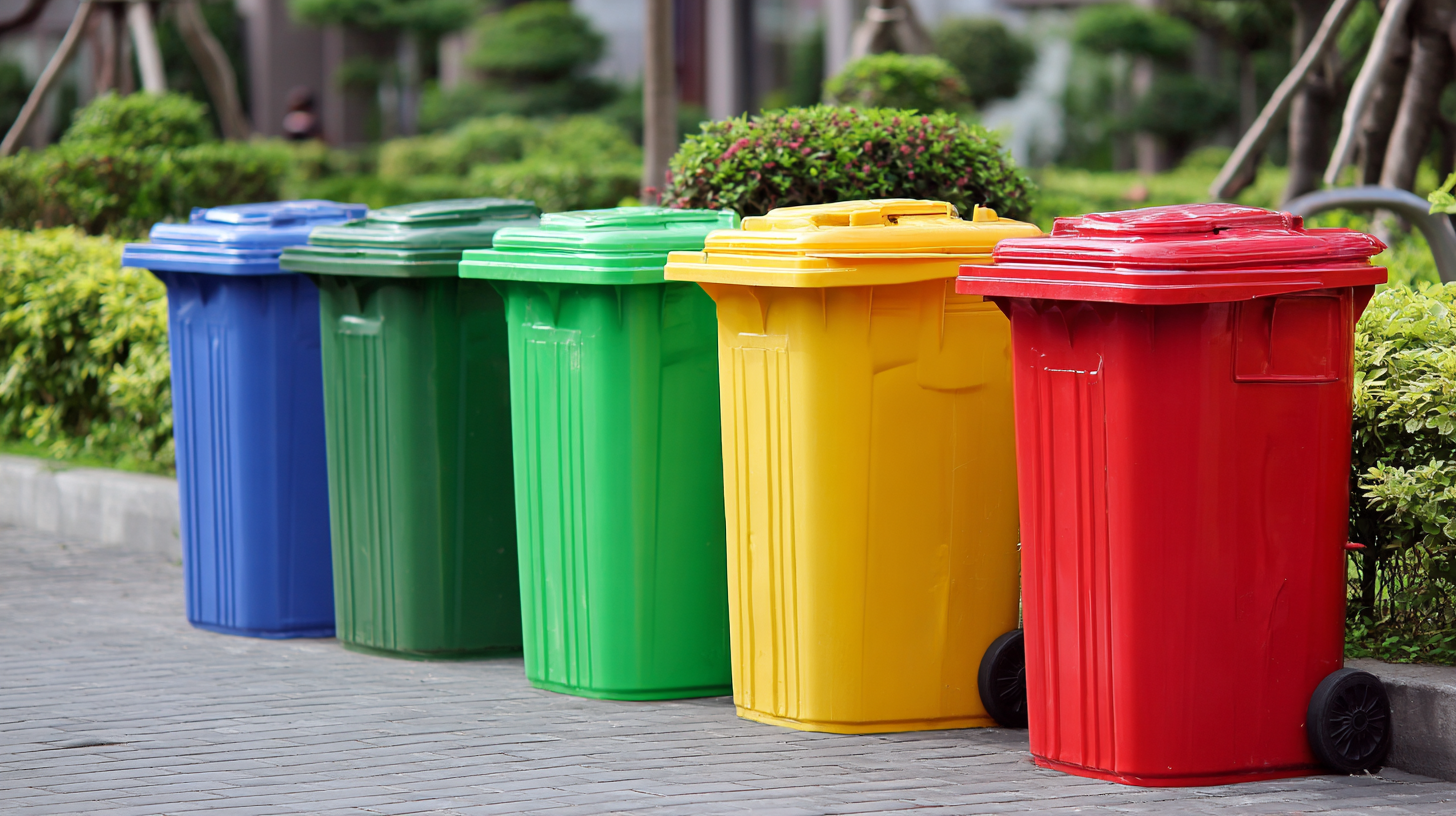
When designing durable plastic trash cans, selecting the right materials is crucial for ensuring longevity and functionality. High-density polyethylene (HDPE) and polypropylene (PP) are two popular choices for trash can manufacturing. HDPE is known for its excellent strength-to-density ratio, making it resistant to impact, UV rays, and various chemicals. This makes it ideal for outdoor use, as it can withstand harsh weather conditions without degrading, ensuring the trash cans maintain their structural integrity over time.
On the other hand, polypropylene offers superior flexibility and resistance to fatigue, making it suitable for designs that require a bit of give without compromising strength. This material is also lighter than HDPE, which can enhance the portability of the trash cans. Additionally, incorporating additives to enhance UV resistance or antimicrobial properties can further extend the life of the product and ensure that the trash cans remain hygienic, even when exposed to the elements. By carefully considering these materials, manufacturers can create trash cans that not only meet consumer expectations but also stand up to the demands of both residential and commercial environments.
Design Considerations for Effective Trash Can Molds
When designing effective molds for plastic trash cans, several key considerations must be taken into account to ensure durability and functionality. A recent industry report indicates that the global plastic waste management market is expected to grow at a CAGR of 5.4% from 2021 to 2028. This growth highlights the importance of creating robust and reliable trash can designs that can withstand everyday wear and tear. Factors such as material selection, mold design complexity, and production techniques play a crucial role in determining the longevity and quality of the final product.
**Tip:** Always opt for high-density polyethylene (HDPE) for the mold material, as it offers superior strength and UV resistance, which are critical for outdoor trash can applications. Additionally, the design should incorporate features like ribbing for added structural integrity, allowing the trash can to endure heavy loads without deforming.
A crucial design consideration involves ensuring proper drainage in the mold to prevent water accumulation and material degradation. According to a study by the American Society of Plastics Engineers, 15% of plastic products fail due to poor moisture management. By integrating drainage channels into the mold, manufacturers can enhance the longevity of trash cans, ensuring they remain functional even in wet conditions.
**Tip:** Run thorough testing with different designs and materials to identify the best combination for longevity and ease of manufacturing. This proactive approach can save time and resources in the long run, leading to more efficient production practices.
Creating Durable Designs: The Ultimate Guide to Plastic Trash Can Mold Manufacturing
| Design Consideration | Description | Material Type | Durability Rating | Cost Estimate (USD) |
| Wall Thickness | Increasing wall thickness enhances durability and prevents cracking. | HDPE | 4/5 | 50 |
| Reinforcements | Adding internal ribs or support structures to enhance load-bearing capacity. | PP | 5/5 | 70 |
| Drainage Features | Incorporating drainage holes to reduce odors and maintain cleanliness. | LDPE | 3/5 | 40 |
| Weather Resistance | Selecting materials that withstand UV exposure and temperature changes. | ASA | 5/5 | 90 |
| Aesthetic Design | Visual appeal and color options to enhance consumer choice. | PVC | 4/5 | 60 |
Injection Molding Techniques for High-Quality Plastic Trash Cans
Injection molding is a crucial technology in the manufacturing of high-quality plastic trash cans. By leveraging advanced techniques, manufacturers can optimize the injection molding process to ensure durability and efficiency. Recently, innovative approaches such as using artificial intelligence for adaptive process control have shown promise in fine-tuning injection parameters for optimal results. This highlights the growing importance of integrating smart technologies into traditional manufacturing processes.
To achieve the best outcomes in plastic trash can production, manufacturers should focus on key strategies. First, adopting hybrid optimization methods, including artificial neural networks and genetic algorithms, can enhance the design and functionality of trash cans while minimizing waste. Additionally, utilizing sustainable materials and methods, such as recycling waste plastics, creates value not only environmentally but also economically.
Tips: Always keep a close eye on process parameters during injection molding; small adjustments can lead to significant improvements. Furthermore, incorporating feedback loops to monitor the quality of produced items ensures high standards are maintained throughout the manufacturing process. By embracing these advanced techniques, businesses can enhance the durability of their plastic trash cans while promoting sustainability and cost-effectiveness.
Plastic Trash Can Production Overview
Quality Control Measures in Trash Can Mold Production
Quality control in trash can mold production is critical for ensuring that the final products meet the necessary durability and performance standards. Each stage of the manufacturing process must be closely monitored to rectify any issues before they escalate. This includes inspecting the raw materials used for mold fabrication, such as high-quality plastics that can withstand environmental factors like UV exposure and temperature fluctuations. Additionally, maintaining precise temperature and pressure settings during the molding process is essential to avoid defects that could compromise the integrity of the trash cans.
Another vital aspect of quality control is the testing phase, where produced molds are subjected to rigorous evaluations. This may involve assessing the structural integrity of the molds through stress tests and conducting visual inspections for surface imperfections. Feedback from these tests is crucial for making real-time adjustments and improvements in the design and molding techniques. By implementing comprehensive quality control measures, manufacturers can ensure that their plastic trash cans not only meet customer expectations but also adhere to industry standards, leading to increased customer satisfaction and reduced return rates.
Sustainable Practices in Plastic Trash Can Manufacturing
In an era where environmental concerns are at the forefront of global discussions, sustainable practices in plastic trash can manufacturing have become essential. With the global trash bag market expected to reach $10.69 billion in 2024 and grow significantly to $16.83 billion by 2032, manufacturers are increasingly seeking methods to minimize their environmental impact. One pivotal change is the integration of recycled materials in production. High-purity recycled plastics, which can achieve a purity level of 99.9%, are now comparable to virgin materials, enabling companies to produce durable and environmentally-friendly trash cans.
Moreover, the management of plastic waste is crucial. An estimated 94% of PET bottles in countries like China are recycled, which highlights the potential of creating a circular economy within the plastics industry. The best practices in manufacturing not only focus on using recycled materials but also on designing products that facilitate easier recycling. In addition, innovative solutions, such as the implementation of multiple sorting bins in hospitals to avoid contaminating recyclables, indicate a growing commitment to sustainability. Such initiatives align with a global effort to reduce plastic waste and promote more responsible consumption patterns.
FAQS
: The most commonly used thermoplastics in this industry are high-density polyethylene (HDPE) and polypropylene.
The global plastic waste management market size was valued at approximately USD 33.58 billion in 2020.
The projected CAGR for the plastic waste management market is 5.7% from 2021 to 2028.
The mold manufacturing process typically encompasses design, prototyping, and production stages.
Computer-aided design (CAD) and computer-aided manufacturing (CAM) improve precision and productivity in the mold manufacturing process.
Recent advancements have significantly reduced cycle times and increased output, making the manufacturing process more cost-effective.
Artificial intelligence for adaptive process control is being leveraged to optimize injection parameters.
Manufacturers can adopt hybrid optimization methods, use sustainable materials, and incorporate feedback loops to monitor quality.
Recycling waste plastics creates value environmentally and economically, promoting sustainability within the manufacturing process.
Keeping a close eye on process parameters can lead to significant improvements in the quality and efficiency of the produced items.
Conclusion
The article "Creating Durable Designs: The Ultimate Guide to Plastic Trash Can Mold Manufacturing" provides a comprehensive overview of the critical aspects involved in producing high-quality plastic trash cans. It begins by discussing the basics of plastic trash can mold manufacturing, emphasizing the importance of selecting the right materials to ensure durability and functionality. Design considerations are explored to enhance the efficiency of molds, alongside advanced injection molding techniques that promote superior product quality.
Additionally, the article highlights essential quality control measures throughout the production process to maintain industry standards. A significant focus is given to sustainable practices in manufacturing, advocating for eco-friendly methods in the creation of plastic trash can molds. As a leader in the molding solutions industry, Taizhou Huangyan Xintong Mold Co., Ltd. is well-equipped to deliver customized, high-quality plastic trash can molds to meet the diverse needs of its clients.