In today’s fast-moving world of logistics and manufacturing, it’s super important to be both efficient and eco-friendly. One cool innovation that's been gaining traction is the Molded Pallet. Unlike the old-school wooden or metal ones, these are made from high-density polyethylene (HDPE), which means they’re built to last, versatile, and better for the planet. If you really want to stay ahead of the game, it’s worth understanding what a molded pallet is and how it can help streamline your operations, cut down costs, and boost your sustainability efforts.
Molded pallets come with a bunch of perks that can seriously boost how smoothly your business runs. For starters, they’re lightweight, so handling and moving them around is a lot easier. Plus, they resist moisture and chemicals—pretty handy for pretty much any industry. They’re also stackable and space-efficient, which means you can get more organized in your storage. Switching to molded pallets can lead to fewer breakages and less wear and tear, saving you money on replacements and keeping your supply chain running smoothly longer.
And as more companies want to go green, using molded pallets is a step in the right direction. Unlike traditional wood pallets, which can contribute to deforestation and waste, these plastic ones are recyclable and can be reused over and over. That’s not only better for the environment but also makes your business look more responsible—something customers really notice. All in all, making the switch to molded pallets isn’t just good for the planet; it’s a smart move for those looking to save some cash, stay efficient, and keep things sustainable in the long run.
Definition of a Molded Pallet and Its Characteristics
A molded pallet is a type of transportation and storage platform created through the process of molding materials, typically plastic. These pallets are characterized by their uniform shape and structure, which are designed for enhanced strength and durability. Unlike traditional wooden pallets, molded pallets are often resistant to moisture, chemicals, and pests, making them ideal for various industries including food and pharmaceuticals.
Their design allows for consistent weight distribution, which aids in optimizing storage space and improving handling efficiency.
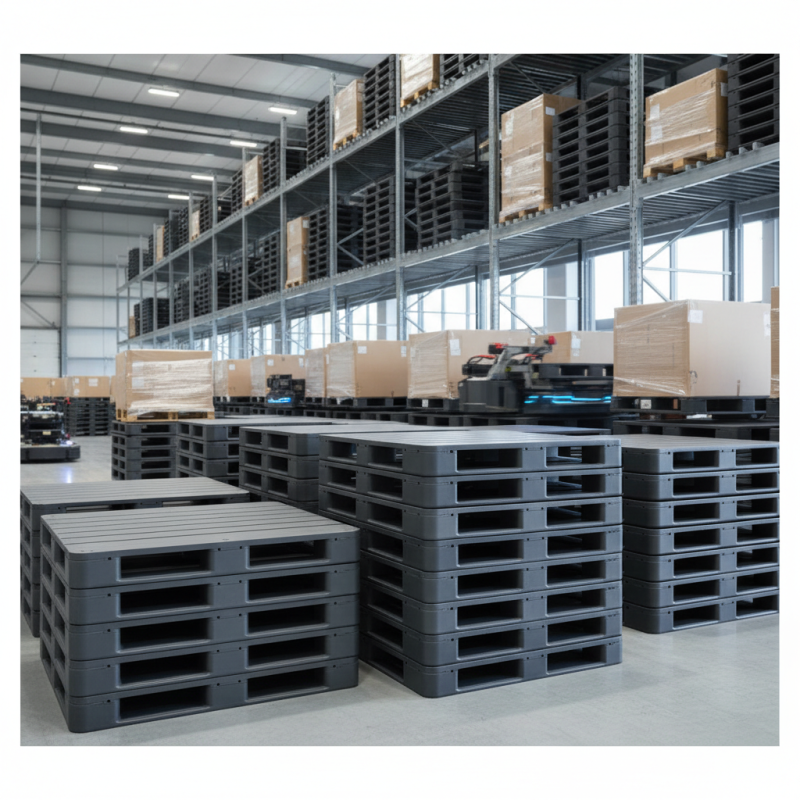
One of the key characteristics of molded pallets is their lightweight nature coupled with high load-bearing capacity. This makes them easier to transport and maneuver, reducing labor costs and improving overall operational efficiency. Additionally, molded pallets can come with different surface designs, including non-slip finishes that enhance safety during the movement of goods. Their smooth surfaces also facilitate easier cleaning and sanitation, which is crucial in industries that require stringent hygiene standards.
Ultimately, the unique properties of molded pallets offer significant benefits to businesses looking to streamline their operations and improve their supply chain management.
Comparison of Molded Pallets vs. Traditional Wooden Pallets
When considering the logistics of shipping and storage, businesses often find themselves weighing the benefits of molded pallets against traditional wooden pallets. Molded pallets, typically made from durable plastic materials, offer several advantages over their wooden counterparts. They are resistant to moisture, chemicals, and pests, which means they maintain their integrity better over time. This longevity not only reduces replacement costs but also minimizes the risk of contamination, making them an excellent choice for industries like food and pharmaceuticals where hygiene is critical.
On the other hand, traditional wooden pallets are more susceptible to damage from environmental factors and heavy loads. They can warp, splinter, or harbor insects, which may lead to costly downtimes or product loss. While wooden pallets are often cheaper upfront, the hidden costs associated with repairs, replacements, and potential product liability issues can quickly add up. Additionally, molded pallets boast a uniform design that enhances the efficiency of stacking and storage, maximizing available space in warehouses and during transport, which is a daunting challenge with irregular wooden pallets.
Ultimately, the decision between molded and traditional wooden pallets should consider not only initial investment but also long-term operational efficiency and safety.
Benefits of Using Molded Pallets in Shipping and Logistics
Molded pallets are increasingly being utilized in shipping and logistics due to their numerous advantages. One of the primary benefits is their durability. Unlike conventional wooden pallets, molded pallets are made from rigid plastic that can withstand extreme environmental conditions, including moisture and temperature fluctuations. This resilience reduces the risk of damage during transport and storage, ensuring that goods arrive in optimal condition, which is crucial for maintaining customer satisfaction.
Another significant advantage of molded pallets is their design efficiency. These pallets often feature integrated designs that prevent the accumulation of dirt and contaminants, making them easier to clean and sanitize. This is particularly beneficial for businesses concerned with hygiene and safety standards, such as those in the food and pharmaceutical industries. Additionally, many molded pallets are lightweight, which can lead to cost savings in transportation, as they reduce fuel consumption and allow for more efficient logistics operations. By integrating molded pallets into their supply chains, businesses can enhance productivity while also minimizing their environmental footprint.
Environmental Impact of Molded Pallets Compared to Other Materials
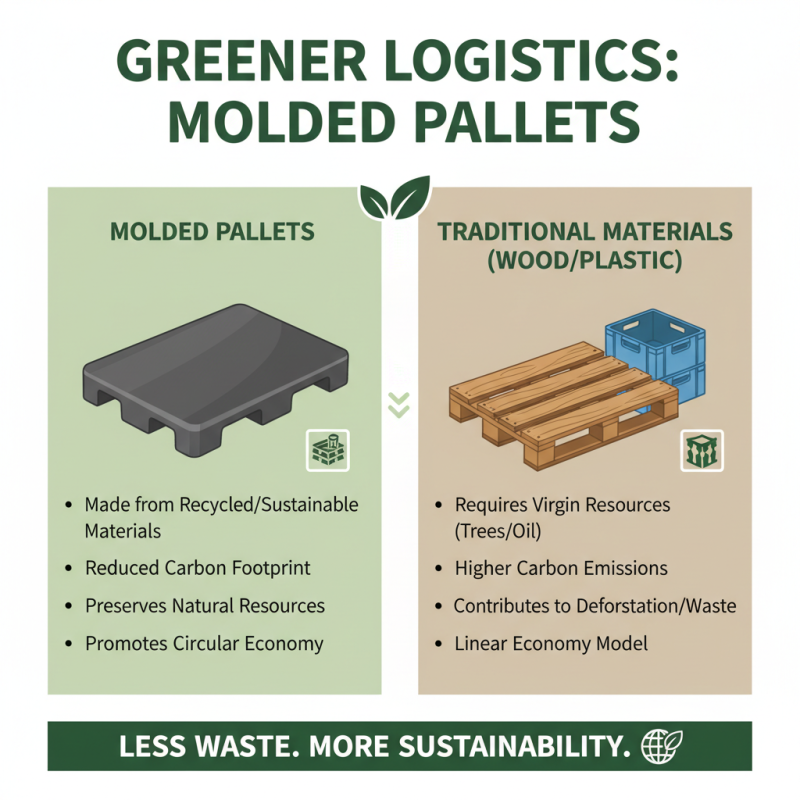
The environmental impact of molded pallets compared to traditional materials such as wood or plastic is significant and multifaceted. Molded pallets are often made from recycled materials or sustainable resources, minimizing the carbon footprint associated with their production. Unlike wooden pallets, which require cutting down trees and may contribute to deforestation, molded pallets preserve natural resources and promote a circular economy by utilizing materials that would otherwise contribute to landfill waste.
Moreover, the durability and longevity of molded pallets further enhance their sustainability profile. They are resistant to damage, moisture, and pests, which reduces the frequency of replacement and the associated production impacts. In contrast, wooden pallets may often be discarded or require significant maintenance over time. Furthermore, the disposal of molded pallets tends to be more environmentally friendly, as they can be recycled more efficiently than traditional plastic pallets, which have a more complicated recycling process. This combination of factors demonstrates that molded pallets not only serve practical logistics needs but also contribute positively to sustainability efforts in business operations.
Cost Effectiveness of Molded Pallets for Businesses
Molded pallets have emerged as a popular choice for businesses seeking cost-effective solutions in their logistics and supply chain operations. Manufactured through a process that creates a durable, lightweight product, molded pallets offer a plethora of advantages compared to traditional wood or plastic alternatives. One of the most significant benefits is their long lifespan, which can lead to fewer replacements and lower overall expenses in the long run. Businesses can save on costs associated with maintenance, repairs, and disposal, further enhancing their bottom line.
When considering molded pallets, it is essential to evaluate your specific needs and operational conditions. **Tip 1:** Conduct a thorough cost-benefit analysis to see how molded pallets stack up against your current logistics solutions. This can help in identifying potential savings and understanding how these pallets might reduce damage during transportation. Furthermore, **Tip 2:** assess whether your supply chain requires the unique properties of molded pallets, such as resistance to moisture and chemicals, which can be critical for industries like food and pharmaceuticals.
Another financial aspect to keep in mind is the environmental impact. Molded pallets are often made from recycled materials, which can improve your company’s sustainability profile and reduce waste disposal fees. **Tip 3:** Look into local recycling programs or partnerships that could further cut costs and align with corporate responsibility goals. Overall, the integration of molded pallets can result in substantial savings and operational efficiency, leading to a more profitable business model.
What is a Molded Pallet and How Can It Benefit Your Business - Cost Effectiveness of Molded Pallets for Businesses
| Feature | Molded Pallet | Wooden Pallet |
| Durability | High (up to 10 years) | Moderate (around 5 years) |
| Maintenance | Low | High |
| Weight | Lightweight | Heavy |
| Cost | Higher initial cost | Lower initial cost |
| Environmental Impact | Recyclable, less waste | Deforestation concerns |
| Load Capacity | High (up to 1,500 kg) | Moderate (up to 1,200 kg) |
| Customization | Easily customizable | Limited customization |
Applications of Molded Pallets Across Various Industries
Molded pallets have emerged as a versatile solution across various industries due to their durability and cost-effectiveness. Their unique production process, which utilizes recycled materials and molds them into robust pallets, provides significant advantages in logistics and supply chain management. According to a report by Freedonia Group, the molded plastic pallet market is projected to grow at a compound annual growth rate (CAGR) of 4.5% through 2024, driven by increasing demand in sectors such as food and beverage, pharmaceuticals, and consumer goods.
In the food and beverage industry, molded pallets are particularly beneficial because they are resistant to moisture and staining, which helps maintain hygiene standards. The International Dairy Foods Association highlights that the adoption of plastic pallets can reduce contamination risks compared to traditional wooden pallets, ultimately leading to a safer supply chain. Additionally, in the pharmaceutical industry, molded pallets streamline operations by allowing for easier transportation and storage while ensuring compliance with regulatory standards for safety and sanitization.
The retail and e-commerce sectors are also experiencing a shift toward molded pallets as they support automation and modern warehousing practices. A study by the Packaging Association indicates that businesses utilizing molded pallets report a 20% increase in efficiency related to inventory management and product handling. As industries continue to innovate and prioritize sustainability, molded pallets offer a practical and environmentally friendly choice for companies looking to improve their logistics operations.
Molded Pallet Applications Across Various Industries
Factors to Consider When Choosing Molded Pallets for Your Business
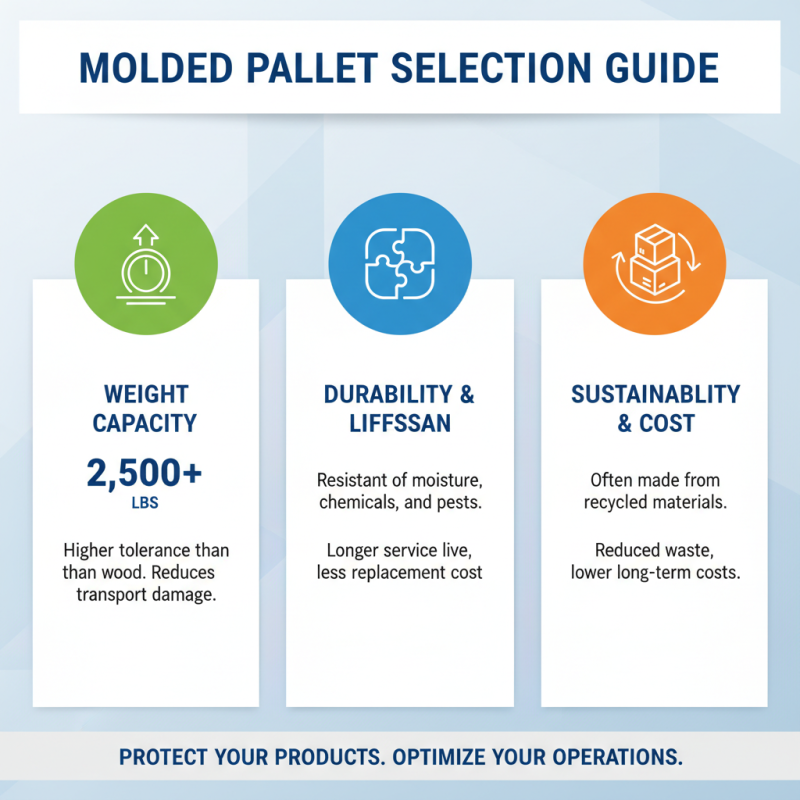
When selecting molded pallets for your business, several key factors come into play that can significantly influence your operational efficiency and cost management. One primary consideration is the weight capacity of the pallets. According to industry reports, molded pallets typically have a higher weight tolerance than traditional wooden pallets, often exceeding 2,500 pounds. This enhanced strength can lead to fewer damages during transportation and storage, which is crucial for protecting your investment in products and supplies.
Another important aspect is the environmental impact. Recent studies indicate that molded pallets, often made from recycled plastics, can reduce your carbon footprint. Opting for these pallets can lower overall waste by up to 50% compared to wooden alternatives. Furthermore, with increasing regulatory pressures on sustainable practices, using molded pallets not only meets compliance standards but also improves your brand reputation among eco-conscious consumers. Assessing these factors, such as durability, environmental sustainability, and weight capacity, is essential in making an informed decision that aligns with your business goals and operational requirements.
FAQS
: Molded pallets offer durability, resilience against moisture and temperature fluctuations, and a design that prevents dirt accumulation, ensuring goods arrive in optimal condition.
Molded pallets have integrated designs that make them easier to clean and sanitize, which is particularly beneficial for industries concerned with hygiene and safety standards.
Yes, molded pallets are typically lightweight, which can lead to cost savings in transportation by reducing fuel consumption and enhancing logistics efficiency.
Molded pallets have a long lifespan, which can result in fewer replacements, lower maintenance costs, and reduced overall expenses, ultimately improving the bottom line.
Industries such as food and pharmaceuticals, which require resistance to moisture and chemicals, can substantially benefit from the unique properties of molded pallets.
Businesses should conduct a thorough cost-benefit analysis to compare molded pallets with their current logistics solutions and identify potential savings.
Molded pallets are often made from recycled materials, which can improve a company's sustainability profile and help reduce waste disposal fees.
Companies should assess their specific operational needs, including the unique properties of molded pallets, to determine if they align with their logistics requirements.
Yes, integrating molded pallets can enhance a company's sustainability efforts by utilizing recycled materials and minimizing environmental impact, aligning with corporate responsibility objectives.
Conclusion
A Molded Pallet is a type of pallet created through a molding process, offering unique characteristics such as durability, lightweight construction, and resistance to moisture and pests. Unlike traditional wooden pallets, molded pallets show significant advantages in shipping and logistics through their consistent quality and reduced risk of contamination. They are also environmentally friendly, often made from recycled materials, which lowers their carbon footprint compared to other materials.
Businesses can benefit cost-effectively from Molded Pallets, as they reduce waste and maintenance costs, making them a smart choice for various industries. When selecting molded pallets, factors such as load capacity, specific application needs, and environmental impact should be taken into account to ensure an optimal fit for business operations. Overall, molded pallets present a viable solution for enhancing efficiency and sustainability in logistical practices.