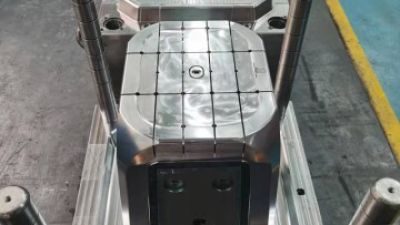
When it comes to manufacturing, picking the right Rack Tray Molds is a pretty big deal. It can seriously make or break your production efficiency and the quality of your products. Let's be honest — with everyone trying to cut costs and streamline stuff, investing in good, reliable molds is more important than ever. These molds come in all sorts of designs and materials, each made to fit different production needs. Knowing how to pick the right one can totally influence your overall output and, eventually, your profits.
Now, when you're choosing Rack Tray Molds, there are a few key things to think about — like what you plan to use them for, how compatible they are with your materials, and how much you're producing. Every mold has its perks, but finding the best fit means really weighing your specific production requirements. It’s not just about the tech specs either — you’ve got to consider things like maintenance and how it impacts sustainability over the long run.
Cutting down your options based on what your production line actually needs will help you make smarter, more informed decisions. That way, you’re not just throwing money at something that might not work — you’re setting yourself up for better efficiency and higher-quality products. In the end, picking the right Rack Tray Molds isn't just a minor detail — it’s a crucial step towards crushing your manufacturing goals, meeting customer expectations, and making the most out of your resources.
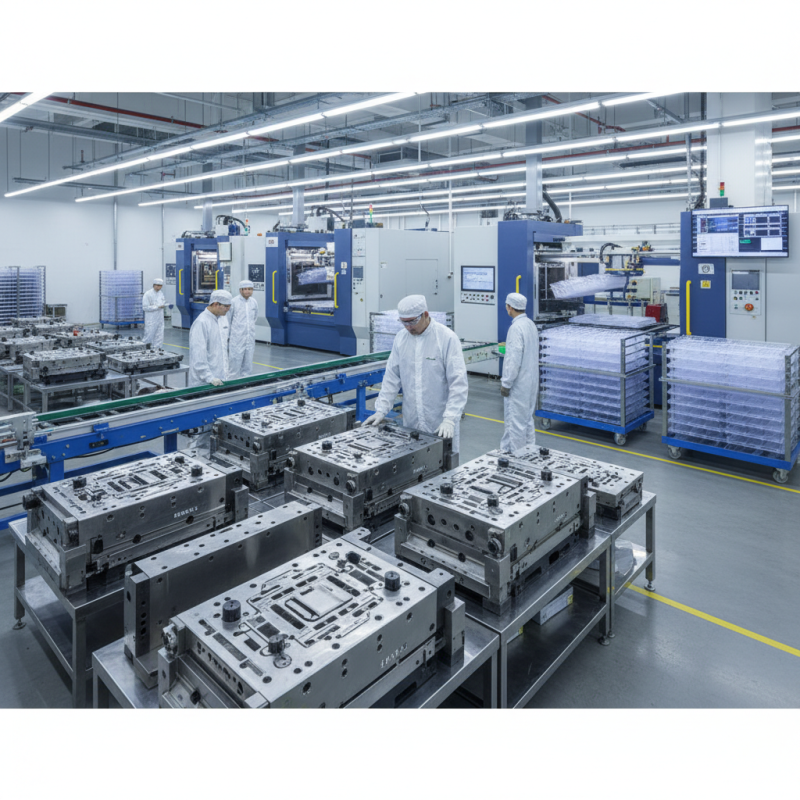
Understanding Rack Tray Molds and Their Importance in Production
Rack tray molds are essential components in various production processes, particularly in industries that require the efficient handling and transportation of goods. These molds are designed to create trays that provide stability and support for various products, ensuring they are well-organized and protected during transit and storage. Understanding the intricacies of rack tray molds is vital for manufacturers as they directly impact the quality of the end product and the overall efficiency of the production line.
The importance of rack tray molds extends beyond mere functionality; they also play a significant role in optimizing production workflows. The right mold design can significantly reduce production times and costs by streamlining the molding process and minimizing material waste. Additionally, high-quality molds can enhance the durability and reliability of the trays, thereby improving the overall performance of the finished products. As such, manufacturers must carefully consider their specific production requirements, including the types of materials being used and the intended applications, when selecting the appropriate rack tray molds to best meet their operational goals.
Evaluating Your Production Requirements and Specifications
When it comes to selecting the right rack tray molds for your production needs, evaluating your requirements and specifications is paramount. Understanding the specific functionalities required for your products can significantly enhance operational efficiency. For instance, a recent report from the Plastic Molding Manufacturers Association indicates that over 70% of production downtime is attributed to inefficient mold design. By identifying the necessary dimensions, material types, and production volumes in advance, manufacturers can streamline the selection process and mitigate potential bottlenecks.
To ensure you are making an informed choice, consider investing time in assessing factors such as cycle time, part complexity, and material compatibility. Data from the Society of Plastics Engineers suggests that optimizing these elements can lead to a 15-20% reduction in production costs. Furthermore, leveraging advanced simulation software can provide valuable insights into mold performance and longevity, helping to prevent costly errors down the line.
**Tip:** Always collaborate with your design and production teams to clarify any specific requirements before finalizing mold specifications. This can lead to a more tailored solution that meets the demands of your production process efficiently. Additionally, keep abreast of industry trends; for instance, recyclable materials are becoming increasingly favored, as sustainable practices gain traction in manufacturing. Emphasizing these aspects can also enhance your market competitiveness.
Material Options for Rack Tray Molds: Pros and Cons
When selecting the right rack tray molds for production, the choice of material is critical, given the myriad of factors it impacts, from durability to production efficiency. Commonly used materials include aluminum, steel, and various types of plastic. Each option presents a unique set of benefits and drawbacks that can influence both the mold-making process and the final product quality.
Aluminum is favored for its lightweight nature and excellent thermal conductivity, which can enhance the cooling stages of production. According to a market analysis by the Plastic Industry Association, aluminum molds account for approximately 28% of all mold types used in the industry due to their ability to facilitate faster cycle times. On the downside, aluminum is typically less durable than steel, which may lead to shorter lifespans under heavy use.
Steel, while heavier and more expensive, offers superior wear resistance and longevity, making it a popular choice for high-volume production settings. Data from the American Society of Mechanical Engineers indicates that steel molds can last up to three times longer than aluminum counterparts, providing lower long-term costs despite higher initial investments.
Plastics, particularly reinforced varieties, are often selected for their cost-effectiveness and ease of fabrication. As reported by the Moldmaking Technology publication, plastic molds have seen a rise in popularity, holding a market share of about 15% as industries increasingly focus on lightweight solutions. However, while they are suitable for lower-volume production, their susceptibility to heat distortion can limit their applications in more demanding environments. Understanding the pros and cons of each material is essential for manufacturers aiming to align mold selection with specific production requirements, ensuring optimal performance and cost-efficiency.
Identifying the Right Mold Design for Efficiency and Quality
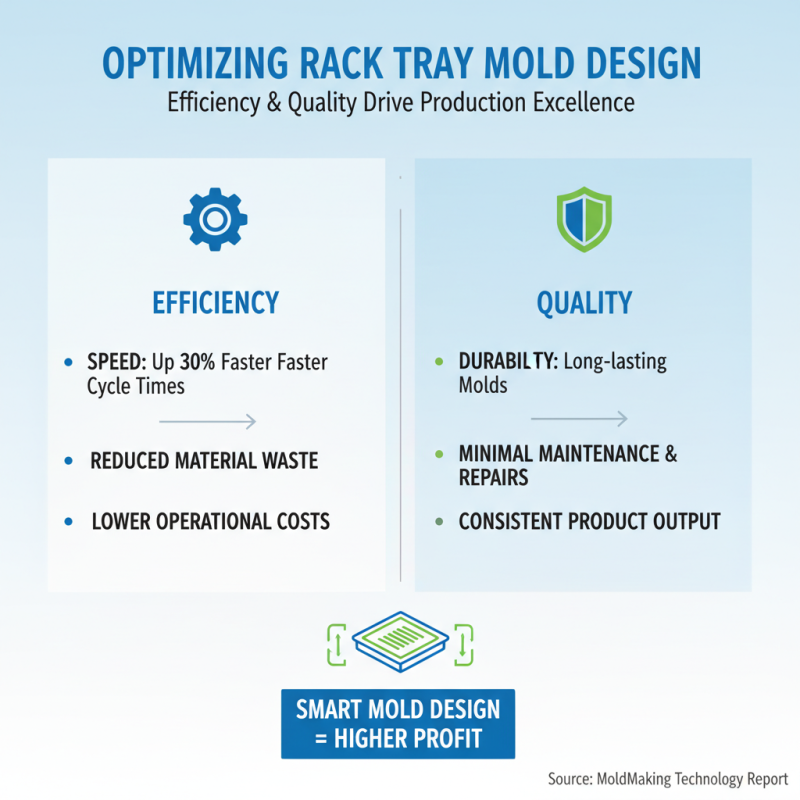
When it comes to selecting the right mold design for rack tray production, efficiency and quality are paramount. According to a report by MoldMaking Technology, the efficiency of a mold can greatly influence production speed and material usage, with high-quality molds potentially reducing cycle times by up to 30%. Choosing a mold design that minimizes complexity while maximizing durability is crucial, as it directly impacts not only the production rate but also the operational costs associated with maintenance and repairs over time.
Additionally, the quality of the mold affects the final product's integrity and usability. The Society of Plastic Engineers notes that a well-designed mold can enhance product consistency and reduce defects by as much as 50%. Factors such as the choice of materials, cooling systems, and the precision of the mold geometry can all contribute to the overall quality of the rack trays produced. By prioritizing these elements during the mold selection process, manufacturers can ensure that their production meets both efficiency targets and quality standards, leading to greater customer satisfaction and lower defect rates in the final product.
Factors to Consider When Choosing a Mold Manufacturer
When selecting a mold manufacturer for rack tray molds, it’s essential to consider their experience and expertise in the industry. A manufacturer with a proven track record in producing high-quality molds can significantly impact the efficiency and longevity of your production process. Look for companies that specialize in complex designs and have a portfolio showcasing their previous work. This not only demonstrates their capability but also gives you insights into their production standards.
In addition to experience, the technology and equipment used by the manufacturer should also be a key factor in your decision-making process. Advanced machinery and a commitment to innovation often translate to better precision and faster turnaround times. Ensure they utilize modern techniques such as CAD software for design and 3D printing for prototype development. This can greatly improve the accuracy of the molds and reduce the time needed for adjustments.
Tips: When assessing potential mold manufacturers, don’t hesitate to ask for references or customer testimonials. Engaging in conversations with previous clients can provide valuable insights into the manufacturer’s reliability and customer service quality. Test their communication responses and willingness to collaborate on design adjustments, as these soft skills are often just as important as technical capabilities.
Common Mistakes to Avoid in Selecting Rack Tray Molds
When selecting rack tray molds, one of the most common mistakes is overlooking the specific requirements of your production needs. Each product has unique dimensions and load capacities, and failing to align the mold design with these parameters can lead to inefficient production processes. It's essential to conduct a thorough analysis of the specifications needed for your trays, including size, shape, and material compatibility. Neglecting to do so may result in molds that are too rigid or too flexible, ultimately affecting the quality and durability of the final product.
Another frequent error is disregarding the maintenance and longevity of the molds. Opting for cheaper mold options can sometimes save costs upfront, but may lead to higher expenses in the long run due to frequent repairs or replacements. It’s crucial to choose molds manufactured from high-quality materials that ensure durability, as well as considering how easy they are to maintain. Proper upkeep can significantly extend the life of your molds, improving your production efficiency and reducing downtime.
Best Practices for Maintenance and Longevity of Your Molds
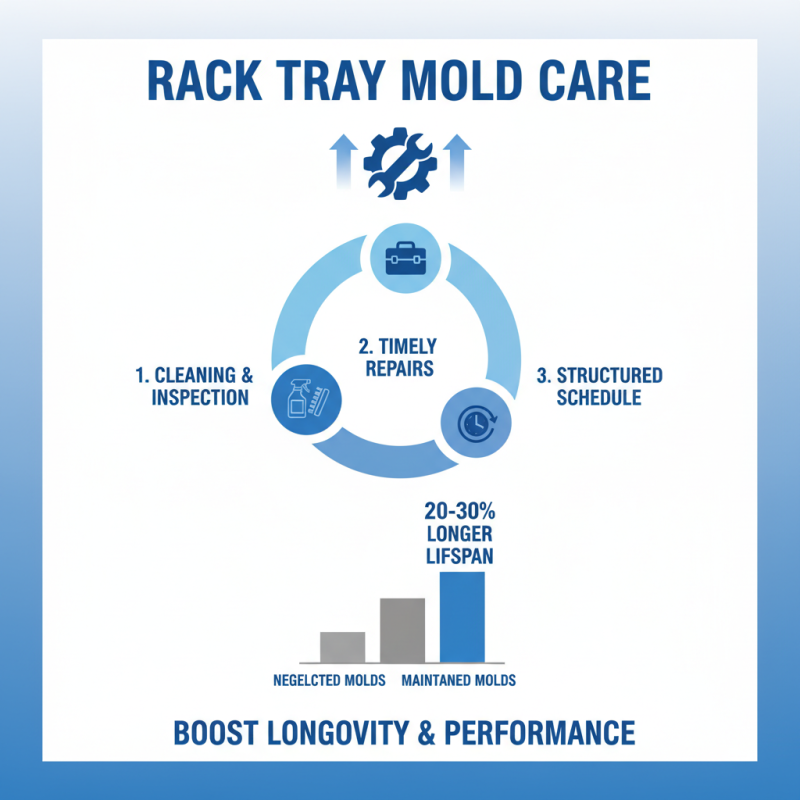
Proper maintenance and care of rack tray molds are critical to ensuring their longevity and optimal performance in production processes. According to a recent industry report, molds that are maintained regularly can last up to 20-30% longer than those that are neglected. This emphasizes the importance of implementing a structured maintenance schedule that includes cleaning, inspection, and timely repairs. Regularly scheduled cleaning helps to remove contaminants and minimize wear, leading to improved product quality and reduced downtime.
Furthermore, data shows that over 60% of mold failures are due to improper maintenance practices. Features like corrosion, rust, and material fatigue are often the culprits behind these failures. To combat this, utilizing protective coatings and lubricants can significantly extend the life of molds. Regular inspections should also be performed to check for any signs of wear or damage. Investing time and resources in maintenance not only enhances the performance of the molds but can also translate to significant cost savings, with studies indicating that proactive maintenance can reduce repair costs by as much as 40%.
Innovative Solutions: Exploring Durable Customizable Plastic & Metal Trash Bin Molds for Enhanced Waste Management
In today's rapidly evolving waste management landscape, the importance of durable and customizable trash bins cannot be overstated. With the global waste generation expected to reach 3.4 billion tons by 2050, effective waste management is crucial for sustainability and environmental protection. Tailored solutions that meet diverse requirements are in high demand, which is where innovative plastic and metal trash bin molds come into play. These molds are engineered for precision, ensuring that each bin produced maintains superior durability and functionality, a necessity for various applications from households to industrial settings.
Moreover, advancements in injection and blow molding technologies have allowed for the production of increasingly complex designs while maintaining high production efficiency. These modern molds can accommodate varied sizes, shapes, and capacities, catering to both commercial and residential waste management needs. According to a recent industry report, the global trash bin market is expected to grow at a CAGR of 5.6% between 2021 and 2026, reflecting the escalating need for efficient waste disposal solutions. Utilizing custom molds facilitates the creation of bins that can withstand harsh environments and extensive use, further enhancing their appeal in an ever-growing market.
As cities expand and populations increase, the focus on reducing landfill waste through effective recycling systems becomes paramount. Customizable trash bin molds not only help in producing bins that are aesthetically pleasing and functional but also support initiatives aimed at higher recycling rates. By incorporating smart designs and durable materials, manufacturers can respond to the evolving demands of consumers and municipalities, providing essential tools for better waste management practices.
FAQS
: Rack tray molds are essential components used in various industries to create trays that provide stability and support for products during transportation and storage. They are important because they ensure goods are organized and protected, directly impacting the quality of the final product and the efficiency of the production line.
The right mold design can reduce production times and costs by streamlining the molding process and minimizing material waste, thus enhancing the overall performance and reliability of the finished products.
Common materials include aluminum, steel, and various types of plastic. Aluminum is lightweight and has excellent thermal conductivity but is less durable. Steel offers superior wear resistance and longevity but is heavier and more expensive. Plastics are cost-effective and easy to fabricate but can be susceptible to heat distortion.
While aluminum molds are generally less costly initially and facilitate faster production, steel molds may offer lower long-term costs due to their enhanced durability and longer lifespan, making them a better investment for high-volume production settings.
Manufacturers should consider the specific production requirements, such as the types of materials being used, intended applications, and the desired efficiency and quality standards of the produced trays.
High-quality mold design can reduce cycle times by up to 30% and enhance product consistency, potentially reducing defects by as much as 50%. Factors like material choice, cooling systems, and mold geometry precision are crucial for ensuring efficiency and quality.
Choosing a mold design that minimizes complexity and maximizes durability can lower the operational costs associated with maintenance and repairs over time, leading to more efficient production.
Understanding the pros and cons helps manufacturers align their mold selection with specific production requirements, ensuring optimal performance and cost-efficiency in their operations.
Higher mold quality leads to improved product integrity and usability, reducing defect rates. This results in greater customer satisfaction as the final products meet quality standards.
Conclusion
Choosing the right rack tray molds is crucial for optimizing production processes. Understanding the importance of these molds and thoroughly evaluating your specific production requirements is the first step. Consider carefully the materials available for rack tray molds, weighing their pros and cons to ensure the best selection. Additionally, identifying a mold design that balances efficiency and quality is key to maximizing your output.
When selecting a mold manufacturer, several factors should be taken into account, including their experience and reliability. It's also important to avoid common mistakes in the selection process, such as not assessing durability and compatibility with your production setup. Lastly, best practices for maintenance and care will help extend the longevity of your rack tray molds, ensuring consistent performance and efficiency in your production line.