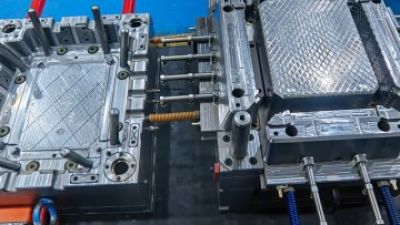
In today’s super-fast-paced world of logistics, finding efficient packaging solutions is more important than ever. Just recently, a report from Smithers Pira highlighted that the global packaging industry is on track to hit a massive $1 trillion figure by 2024 — all thanks to cool innovations like the Plastic Crate Mold. These new molds really step up the game, making packaging way more durable and budget-friendly at the same time. Companies like Plasgad are already reaping the benefits, seeing smoother operations since they started using these molds.
That said, it’s not all sunshine and rainbows. The upfront cost for high-quality Plastic Crate Molds can be pretty hefty, which makes some small and medium-sized businesses a bit hesitant. I get it — investing a lot upfront isn’t always easy to swallow. But honestly? The long-term savings totally outweigh the initial expense. Research shows that switching to these molds can cut waste by about 25%, compared to older, traditional packaging methods. So, despite the initial spend, it’s a smart move in the end.
As industries keep evolving, jumping on board with technology like the Plastic Crate Mold is becoming pretty much necessary. It’s kinda surprising how many companies miss the boat early on — they don’t realize how much they could save or improve efficiencies. Businesses really need to take a good look at their packaging strategies and plan ahead for the future of their supply chains. If they do it right, embracing molds like these could totally change the way goods are stored and shipped. And, more importantly, it paves the way for a more sustainable and efficient way of doing things.

Advantages of Plastic Crate Molds Over Traditional Materials
The shift towards plastic Crate Molds is changing the packaging landscape. Traditional materials often break down over time. In contrast, plastic crate molds provide durability and resilience. According to industry reports, plastic crates can last up to ten times longer than wooden or cardboard alternatives. This longevity reduces waste and lowers the costs of frequent replacements.
Another notable advantage is the lightweight nature of plastic crate molds. Compared to metal or wood, they significantly reduce shipping weights. A lighter shipment means lower transportation costs, which can amount to substantial savings for businesses. Reports indicate that companies can save up to 15% on logistics when switching to plastic molds. The flexibility in design also allows manufacturers to customize crates to fit specific products.
However, it's crucial to acknowledge some challenges. The initial investment in plastic crate molds can be higher than traditional materials. Some companies may hesitate due to upfront expenses. Yet, when considering the long-term benefits, such as reduced maintenance costs and increased durability, plastic molds often prove to be a wise choice. A thorough analysis of specific needs can guide manufacturers in making the best decision.
Applications of Plastic Crate Molds in Various Industries
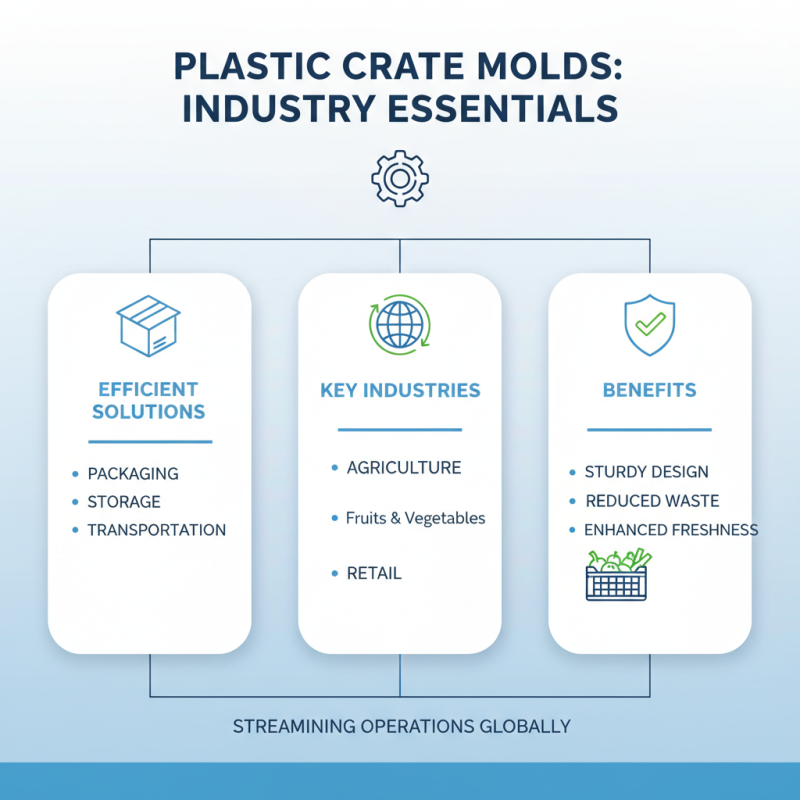
Plastic crate molds are essential tools in various industries. They enable efficient packaging, storage, and transportation solutions. From agriculture to retail, these molds streamline operations. In agriculture, they are utilized for transporting fruits and vegetables. Their sturdy design prevents damage during transit. This reduces waste and enhances freshness.
In the retail sector, plastic crate molds are pivotal. They provide a hygienic and reusable option for merchandise display. For example, grocery stores use them to showcase products. This not only attracts customers but also maintains cleanliness. However, ensuring proper cleaning and maintenance is critical. Crates can harbor bacteria if not cared for properly.
Tip: Always inspect crates for cracks. Damaged crates can compromise safety and product quality. Additionally, consider the material's sustainability. Opt for recyclable options when available. This helps meet environmental goals. Balancing functionality and eco-friendliness can be challenging but necessary. Finding the right mold for specific needs is not easy. It often requires testing and feedback to perfect.
Design Flexibility: Customization Options for Plastic Crate Molds
When considering plastic crate molds, design flexibility is essential. Customization options allow businesses to optimize packaging for various products. Enhanced design leads to increased efficiency in transport and storage. Companies can choose the size, shape, and color of their crates. This flexibility caters to unique demands across different industries.
Consider the type of products you handle. The right mold design can prevent damage during transit. Think about specific dimensions that suit your needs. Custom molds can also integrate features like handles or ventilation slots. These small adjustments make a significant difference.
Tips: Always assess your storage environment. Make sure the crate fits well in your available space. Don't overlook the impact of material choice on durability. Trial small batches of customized crates to evaluate performance. Adaptation is key. Regularly revisit your packaging strategy and identify areas for improvement. Design flexibility isn't just about aesthetics; it's a practical necessity.
Durability and Longevity of Plastic Crate Molds Explained
Plastic crate molds offer substantial advantages. They are durable and designed to withstand harsh conditions. Whether exposed to moisture or extreme temperatures, they maintain their shape and functionality. This resilience ensures they are a cost-effective solution in the long run.
The longevity of these molds greatly reduces the need for frequent replacements. They can last for years with proper care, providing a reliable option for various industries. However, not all molds are made equal. Some may crack or lose integrity after repeated use. It’s essential to select high-quality materials and manufacturing processes.
Beyond durability, plastic crate molds also provide versatility. They come in various sizes and designs, suitable for different products. This adaptability can make or break your packaging strategy. Consider the specific needs of your items and how they will affect mold performance. Balancing durability with function can be challenging, yet it is crucial for achieving optimal results.
Cost-Effectiveness of Using Plastic Crate Molds for Packaging
When considering packaging solutions, plastic crate molds offer substantial cost-effectiveness. According to industry reports, companies can save up to 30% on packaging costs when they switch to plastic molds compared to traditional materials. The longevity of plastic crates also plays a significant role. A well-maintained plastic crate can last for years, reducing the need for frequent replacements.
The versatility of designs available with plastic crate molds allows businesses to customize shapes and sizes. This can enhance product presentation and reduce wasted space in storage and transportation. A study showed that optimized packaging can improve logistical efficiency by up to 25%. However, not all plastic molds are created equal. Quality can vary significantly, and companies must invest time in researching their options.
Plastic molds, like the Milk Crate Mold, serve various industries, from agriculture to retail. The initial investment can be higher than alternatives like cardboard, but the return on investment is typically favorable. Over time, savings in labor, material costs, and waste management become evident. Yet, challenges with recycling or environmental concerns about plastics persist. Businesses need to weigh these factors carefully.
Cost-Effectiveness of Using Plastic Crate Molds for Packaging
Environmental Impact: Recyclability of Plastic Crate Molds
Plastic crate molds are increasingly favored for their recyclability and environmental benefits. Reports indicate that plastic can be recycled up to 7 times without significant quality loss. This means that the materials used in manufacturing plastic crates can have multiple lifecycles. For example, a Beercase Crate Mold can be designed for durability and reused in different applications, significantly reducing waste.
While the recyclability of plastic is a plus, it's essential to acknowledge the challenges. Not all plastics will actually be recycled, and many end up in landfills. In 2021, it was noted that approximately 79% of plastic waste was not recycled. Tips for reducing this impact include choosing molds made from post-consumer recycled materials. This approach can further enhance the sustainability of your packaging solutions and promote a circular economy.
Another point to consider is the energy consumption associated with plastic production. According to studies, manufacturing plastic crates can consume significant energy resources. Opting for local suppliers can help minimize carbon footprints. It’s crucial to weigh the advantages of plastic crate molds against the environmental costs they may incur. This reflection is essential for adopting more sustainable practices in packaging.
Why Choose Plastic Crate Mold for Your Packaging Needs? - Environmental Impact: Recyclability of Plastic Crate Molds
| Feature | Plastic Crate Mold | Environmental Impact | Recyclability |
| Material Type | High-Density Polyethylene (HDPE) | Low carbon footprint compared to metal | Fully recyclable |
| Durability | Long-lasting and resistant to impact | Reduces waste through long life cycles | Recycling programs available |
| Weight | Lightweight | Lowers transportation emissions | Easily processed for recycling |
| Cost Efficiency | Cost-effective production | Saves resources over time | Minimal landfill impact |
| Versatility | Various designs for different uses | Adaptable to eco-friendly practices | Resuable after recycling |
Maintenance and Care for Plastic Crate Molds in Packaging
Maintaining plastic crate molds is essential for efficient packaging operations. Proper care ensures a longer lifespan and better performance. Plastic molds, such as the Beer Storage Crate Mold, should be cleaned regularly to prevent buildup. A simple rinse with warm, soapy water can work wonders.
When storing molds, avoid exposing them to extreme temperatures. High heat can warp molds, while excessive cold can make them brittle. Organizing molds in a cool, dry place will prevent damage. Remember, neglecting storage conditions can lead to costly repairs later.
Tips for Mold Care: Inspect molds for cracks or wear regularly. Small issues can escalate quickly. Use a non-corrosive lubricant on moving parts to maintain their functionality. Always handle molds gently, as rough handling can lead to chips and breaks.
Taking these steps can greatly enhance the durability of your plastic crate molds. Simple maintenance routines might seem tedious but can save time and money in the long run. Be proactive in care and your packaging needs will benefit.
Innovative Logistic Solutions: The Importance of PP Plastic Boxes Molded Crate Moulds for Efficient Packaging
In the realm of logistics and shipping, efficiency is paramount. The use of PP plastic boxes molded Crate Moulds plays a crucial role in enhancing the safety and effectiveness of transporting goods across warehouses, factories, and supply chains. These durable crates are specifically designed for the bulk handling of various products, such as fruits, vegetables, and industrial components. Their robust nature ensures that items remain secure during transit, thereby minimizing losses and enhancing overall operational efficiency.
Moreover, these molded crates extend their utility beyond just logistics. In retail and display settings, they serve as attractive and rustic displays that elevate the shopping experience. Supermarkets can utilize these crates to organize produce and merchandise effectively, making it easier for customers to browse and select items. The visual appeal of these crates also contributes to a charming aesthetic that can draw in shoppers, showcasing products in a manner that emphasizes freshness and quality. By integrating PP plastic boxes into both logistics and retail environments, businesses can ensure a streamlined approach to packaging that meets modern demands.
FAQS
: The product aims to enhance daily activities and improve efficiency for users.
Follow the instructions provided in the manual for best results. Ensure you understand each step clearly.
Users sometimes struggle with setup and functionality. It's essential to read all guidance closely.
Yes, customer support is available. Reach out via email or phone for assistance.
Always follow safety guidelines. Avoid contact with water or extreme temperatures to prevent damage.
Regular cleaning and proper storage extend its life. Check components regularly for wear and tear.
Troubleshoot common issues. If problems persist, consult the support team for a more in-depth guide.
Yes, a warranty covers certain defects. Please review the warranty details for specific terms and conditions.
Yes, it can be used by different people, but ensure each person understands how to use it effectively.
Contact support for possible returns or exchanges. Reflect on what went wrong to improve future choices.
Conclusion
Plastic crate molds offer numerous advantages over traditional packaging materials, making them an ideal choice for various industries. Their design flexibility allows for extensive customization options, enabling businesses to create packaging solutions that meet specific needs. Additionally, plastic crate molds are known for their durability and longevity, ensuring they withstand the rigors of daily use.
Moreover, the cost-effectiveness of using plastic crate molds contributes to reduced operational expenses, while their recyclability addresses environmental concerns, promoting sustainable practices. Proper maintenance and care for these molds further enhance their performance and lifespan, making them a practical option for efficient packaging solutions. Overall, plastic crate molds present a compelling option for businesses seeking durable, customizable, and environmentally friendly packaging solutions.