When it comes to metal fabrication, the way you run your operations can really make a difference in how productive you are and how successful your projects turn out. Having a solid Welding Pallet? That’s a game-changer. It not only keeps things flowing smoothly but also helps you work with more precision and keeps everyone safe during welding. I was chatting with John Smith, you know, the guy who’s kind of a big deal in welding tech and the founder of MetalWorks Innovations, and he said, "A well-made Welding Pallet can completely change the way a team handles their metal work. It leads to more accuracy and less downtime, which is a huge plus."
Understanding the Purpose of a Welding Pallet in Metal Fabrication
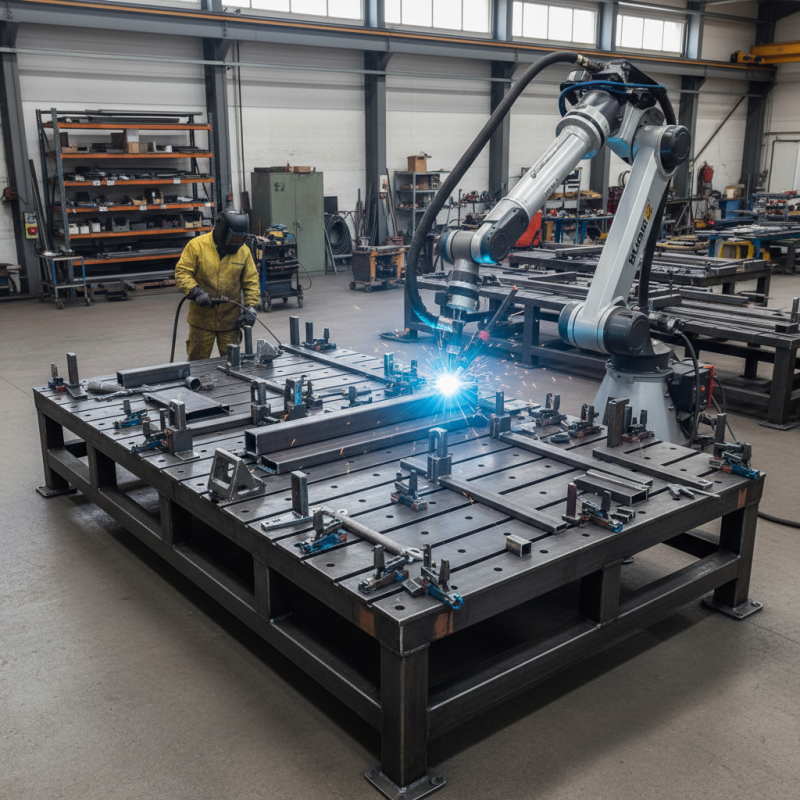
A welding pallet plays a crucial role in the metal fabrication industry, serving as a dedicated workspace for assembling and manipulating metal components. By providing a stable and organized platform, a welding pallet enhances both safety and efficiency during the welding process. It helps to keep materials in place, reducing the chances of misalignment and the possibility of accidents. Moreover, using a tailored welding pallet can streamline workflows by allowing fabricators to maintain an orderly environment, which ultimately accelerates production rates.
When constructing a welding pallet, it's essential to consider the specific needs of your projects. A well-designed pallet should accommodate the dimensions of the materials you typically work with while allowing sufficient space for tools and equipment. Tips for creating an effective welding pallet include using sturdy, heat-resistant materials, and incorporating adjustable features to adapt to different types of projects. Additionally, attaching clamp systems can enhance stability, ensuring that components remain securely in place during welding.
Ultimately, the purpose of a welding pallet extends beyond just serving as a work surface. It fosters a more organized, efficient, and safe environment, allowing fabricators to focus on the precision and quality of their work. Investing time and resources into building a suitable welding pallet can lead to improved processes and better outcomes in metal fabrication.
Materials Needed for Constructing a Welding Pallet
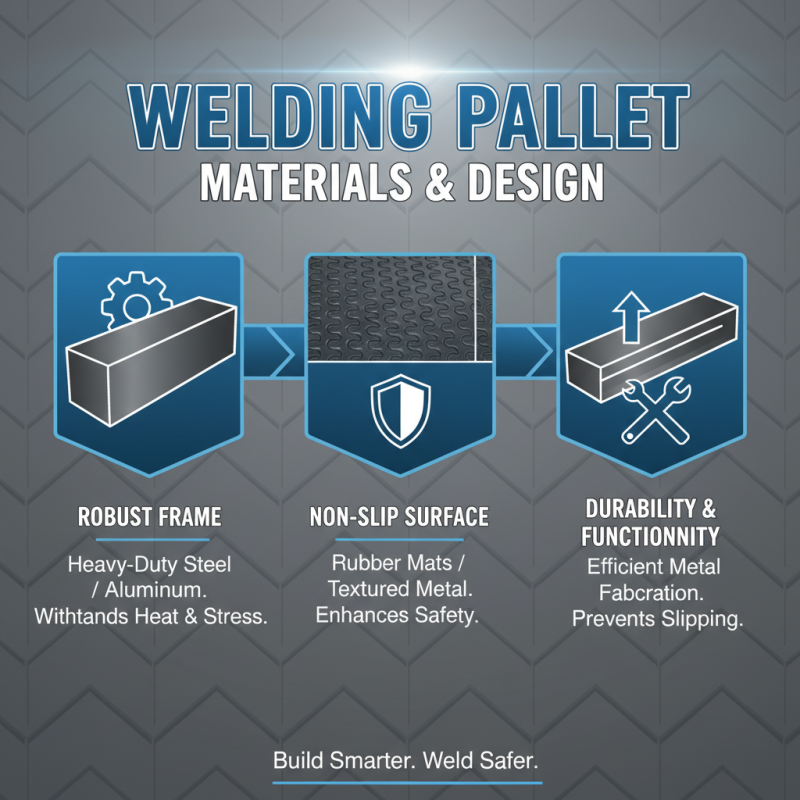
When constructing a welding pallet for efficient metal fabrication, the choice of materials is crucial to ensure both durability and functionality. Typically, a robust frame made from heavy-duty steel or aluminum is preferred, as these materials can withstand the heat and stress from welding operations. Additionally, using a non-slip surface, such as rubber mats or textured metal, can enhance safety by preventing workpieces from slipping during the welding process.
Tips for selecting materials include prioritizing corrosion-resistant options, especially if your workspace is prone to moisture. This can significantly extend the lifespan of your welding pallet. It's also advisable to consider adjustable components to accommodate various sizes of metal pieces, providing flexibility in the types of projects you can handle. Finally, integrating tool storage solutions into the design, such as shelves or hooks, can keep your workspace organized and efficient.
Another suggestion is to utilize high-visibility paint for your welding pallet. A bright finish can improve safety by making it easier to see the edges and any potential hazards in the work area. Remember that a well-constructed welding pallet not only enhances efficiency but also contributes to a safer working environment, allowing for a smoother workflow and better project outcomes.
Step-by-Step Guide to Designing Your Welding Pallet
Designing an efficient welding pallet is crucial for optimizing metal fabrication processes. To begin, it is essential to determine the dimensions and layout of your pallet based on the types of materials you will be handling. Start by measuring the largest piece of metal you plan to work with, ensuring that your pallet can accommodate it comfortably. A flat and sturdy surface is vital, so select materials that can withstand high temperatures and are resistant to warping. Consider incorporating adjustable clamps or fixture points to secure materials in place during welding, as stability is key for precision.
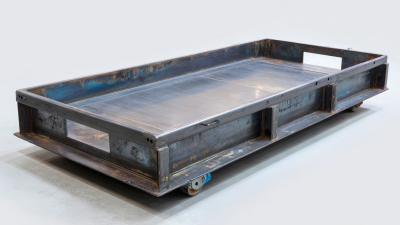
Next, focus on the functionality of your welding pallet. Incorporate features such as built-in storage for tools and supplies, ensuring everything you need is within reach while working. You might also want to design partitions or trays for holding smaller components or consumables. Additionally, think about mobility: if your workspace requires moving the pallet frequently, adding wheels can enhance efficiency, allowing you to reposition it easily without disrupting your workflow. By carefully planning the design elements and considering the unique needs of your metal fabrication projects, you can create a welding pallet that significantly enhances productivity and safety.
Tools Required for Building a Welding Pallet
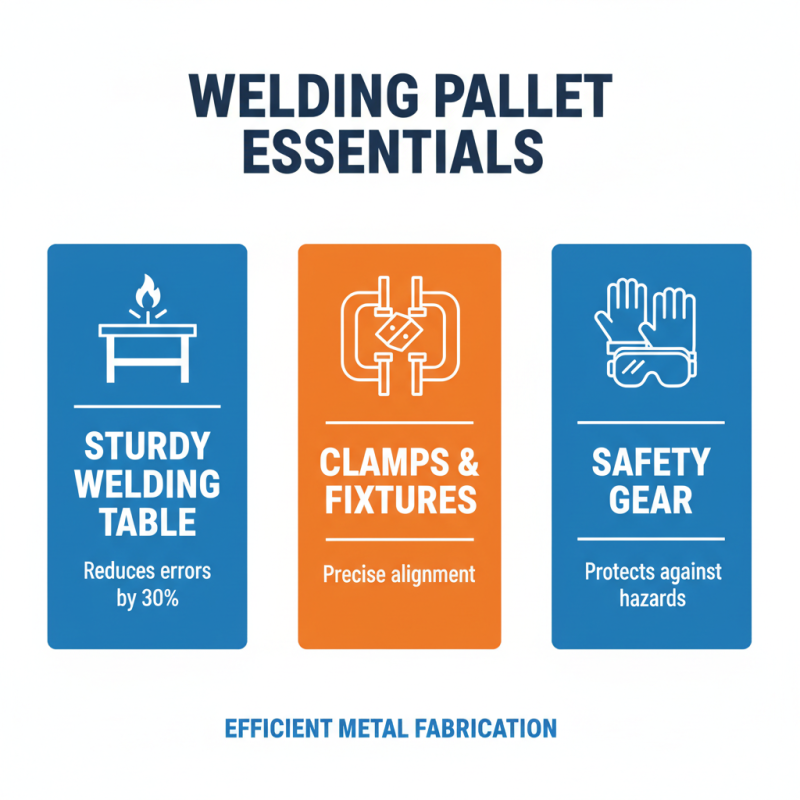
When building a welding pallet designed for efficient metal fabrication, selecting the right tools is crucial for ensuring accuracy and safety. Key tools required for this project include a sturdy workbench or welding table, which provides a stable surface for welding operations. According to industry reports, using a reliable work surface can reduce fabrication errors by up to 30%, highlighting the importance of proper planning in the construction phase. Additionally, clamps and fixtures are essential for securing materials in place, allowing for precise alignment and minimizing movement during welding.
Another critical tool is a cutting tool, such as a plasma cutter or bandsaw, which is necessary for preparing the metal components that will comprise the pallet. A study conducted by the Fabricators & Manufacturers Association indicates that using advanced cutting technology can improve material utilization by approximately 20%, thereby decreasing waste. Furthermore, the inclusion of safety gear, such as gloves, helmets, and proper ventilation equipment, ensures that the workspace remains safe and compliant with OSHA regulations. By equipping yourself with these essential tools, you lay the groundwork for an efficient and effective welding process, ultimately enhancing productivity in your metal fabrication endeavors.
Assembly Process: Putting Your Welding Pallet Together
When assembling your welding pallet, it’s essential to start with a clear layout and a well-thought-out design. Begin by gathering all necessary materials, such as steel tubing for the frame, a sturdy work surface, and clamps for stability. Ensure you have the right tools, including a welder, cutting torch, and measuring equipment, as precision is crucial. Assemble the frame by cutting the steel to size and welding the joints securely. Follow a specific pattern to maintain balance and prevent any warping or misalignment during the welding process.
Tips for a successful assembly include checking your measurements twice before cutting any materials, as any errors can lead to costly adjustments. Additionally, use clamps to hold pieces tightly in place before welding. This will minimize movement and help you achieve cleaner, more accurate welds. Once the frame is welded together, attach the work surface securely and add any necessary support braces to enhance stability, especially if your projects involve heavier materials.
Finally, don't forget to validate the integrity of your welding pallet. Inspect all welds for strength and ensure the entire structure can withstand heavy use. A well-built pallet not only improves your efficiency in metal fabrication but also ensures safety during the welding process. Keep your workspace organized to streamline your workflow and make modifications as needed to fit specific project requirements.
How to Build a Welding Pallet for Efficient Metal Fabrication
| Step | Material Needed | Tools Required | Estimated Time |
| 1 | 1/4" Steel Plate | Welding Machine | 1 hour |
| 2 | Angle Iron (2"x2") | Angle Grinder | 30 minutes |
| 3 | Caster Wheels | Drill | 1 hour |
| 4 | Reinforcement Bars | Measuring Tape | 2 hours |
| 5 | Paint (optional) | Paintbrush/Spray Gun | 1 hour |
Safety Considerations When Using a Welding Pallet
When working with a welding pallet, safety should always be the top priority. A well-constructed welding pallet not only provides a stable platform for metal fabrication but also helps mitigate risks associated with welding operations. Ensuring good ventilation in the work area is crucial, as it minimizes exposure to harmful fumes and gases generated during the welding process. High-quality personal protective equipment (PPE) such as gloves, masks, and fire-resistant clothing must be worn at all times to protect from sparks and burns.
Tips: Before starting any welding project, inspect your welding pallet for stability and structural integrity. Confirm that all components are securely fastened and free of debris. This not only maintains safety but also enhances efficiency in your work. Additionally, ensure an organized workspace by keeping tools and materials neatly arranged and within reach, reducing the risk of accidents.
Furthermore, consider implementing fire safety measures around your welding area. Keep a fire extinguisher nearby and be mindful of flammable materials. Establishing a clear emergency action plan can also help handle any unforeseen incidents effectively. Regular training and refreshers on safety protocols should be a part of your routine to foster a culture of safety within your fabrication team.
Welding Pallet Utilization in Metal Fabrication
Maintenance Tips for Longevity of Your Welding Pallet
To ensure the longevity of your welding pallet, regular maintenance is essential. Start by keeping the surface clean and free from debris. Residual slag and spatter can accumulate over time, which may affect your welding quality and the integrity of the pallet. A simple brush or scraper can effectively remove these materials during and after welding sessions. Additionally, inspect the structure regularly for any signs of wear or damage; addressing issues early can prevent more significant problems down the line.
Lubrication is another critical aspect of maintaining your welding pallet. Check and lubricate moving parts, such as hinges or adjustment mechanisms, to ensure smooth operation. Using the appropriate lubricant helps prevent rust and reduces friction, which can extend the lifespan of these components. Furthermore, consider applying a protective finish to the pallet, such as a rust-inhibiting paint, to shield it against environmental factors. By following these maintenance tips, you can keep your welding pallet in optimal condition, ensuring it serves you well during your metal fabrication projects.
FAQS
: You'll need steel tubing for the frame, a sturdy work surface, clamps for stability, and tools such as a welder, cutting torch, and measuring equipment.
Check your measurements twice before cutting any materials, and use clamps to hold pieces tightly in place before welding to minimize movement and ensure cleaner, more accurate welds.
After welding the frame together, securely attach the work surface and add any necessary support braces to enhance stability, especially for heavier materials.
Inspect all welds for strength and ensure that the entire structure is stable enough to withstand heavy use before starting your projects.
Ensure good ventilation in the work area, wear high-quality personal protective equipment (PPE), and inspect your welding pallet for stability and structural integrity before starting any project.
Keep tools and materials neatly arranged and within reach to enhance efficiency and reduce the risk of accidents in your workspace.
Proper ventilation minimizes exposure to harmful fumes and gases generated during the welding process, contributing to a safer working environment.
Keep a fire extinguisher nearby, be mindful of flammable materials, and establish a clear emergency action plan for handling unforeseen incidents.
Regular training and refreshers on safety protocols should be part of your routine to promote a culture of safety within your fabrication team.
Conclusion
A Welding Pallet is an essential tool in metal fabrication, designed to enhance productivity and efficiency. Understanding its purpose is crucial for optimizing workspace organization and ensuring safety during welding processes. The article outlines the necessary materials and tools for constructing a Welding Pallet, providing a detailed step-by-step guide for the design and assembly process.
Emphasizing safety considerations, it highlights important practices to follow while using a Welding Pallet, ensuring a secure working environment. Additionally, the article offers maintenance tips to prolong the lifespan of the pallet, ensuring that it remains a reliable asset for any metal fabrication shop. By following these guidelines, fabricators can create a functional and durable Welding Pallet tailored to their specific needs.