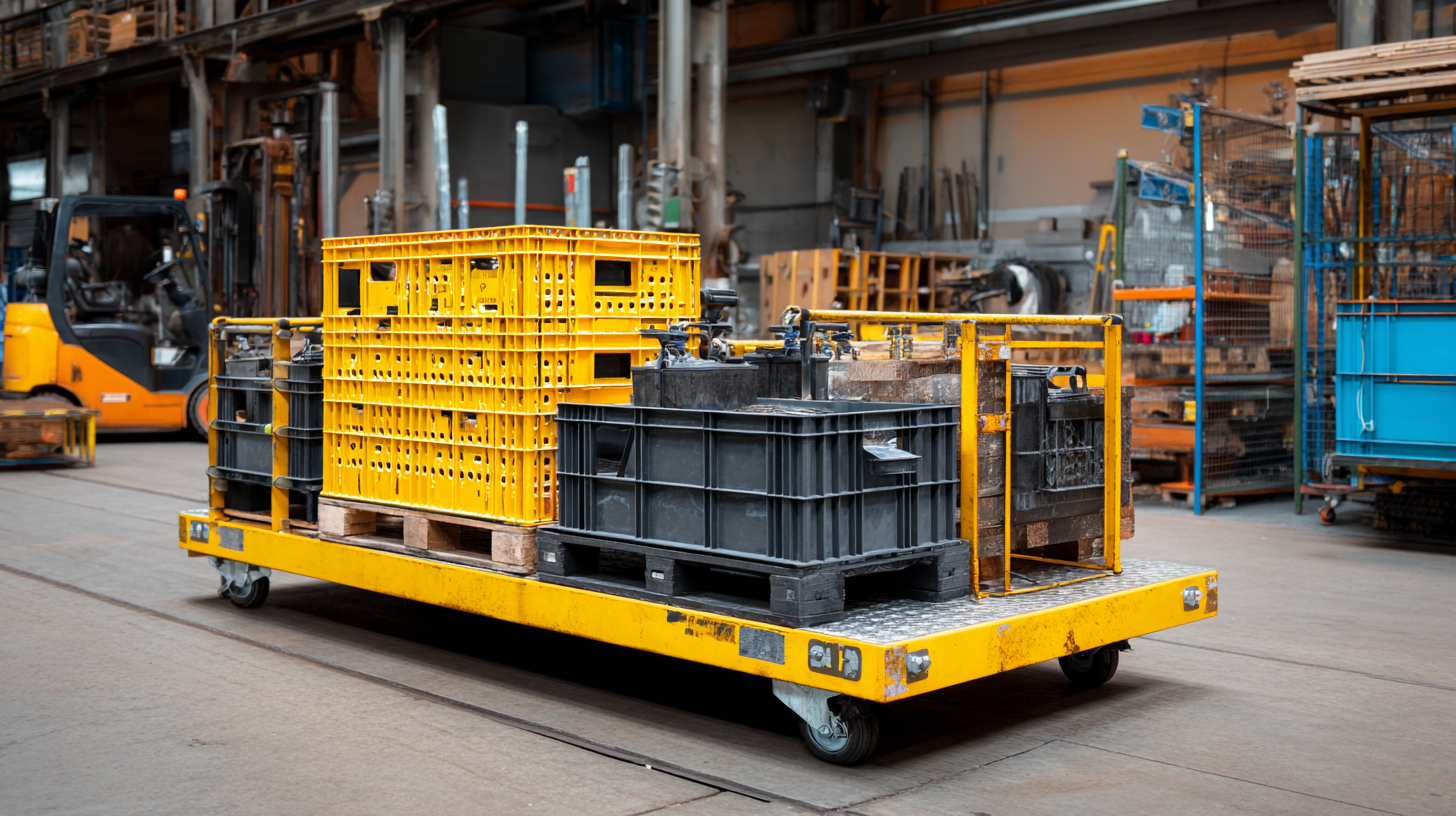
In today’s constantly changing world of workshops, choosing the right equipment can seriously make a difference in how productive and high-quality your work is. One tool that often gets overlooked but is super important is the Welding Pallet. It’s basically a sturdy, reliable platform that makes all kinds of welding tasks way easier. Here at Taizhou Huangyan Xintong Mold Co., Ltd., we totally get that different industries—from medical equipment and logistics to home furniture—have unique needs. That’s why we specialize in custom molding solutions that help businesses streamline their workflows and get things done more efficiently. This ultimate guide is packed with tips and key points to help you choose the right Welding Pallet for your workshop. Picking the right tool now means it’ll serve you well in the long run, especially in a competitive market out there. So, let’s dive in and make sure you’re armed with the best info to make a smart choice!
Understanding the Different Types of Welding Pallets Available
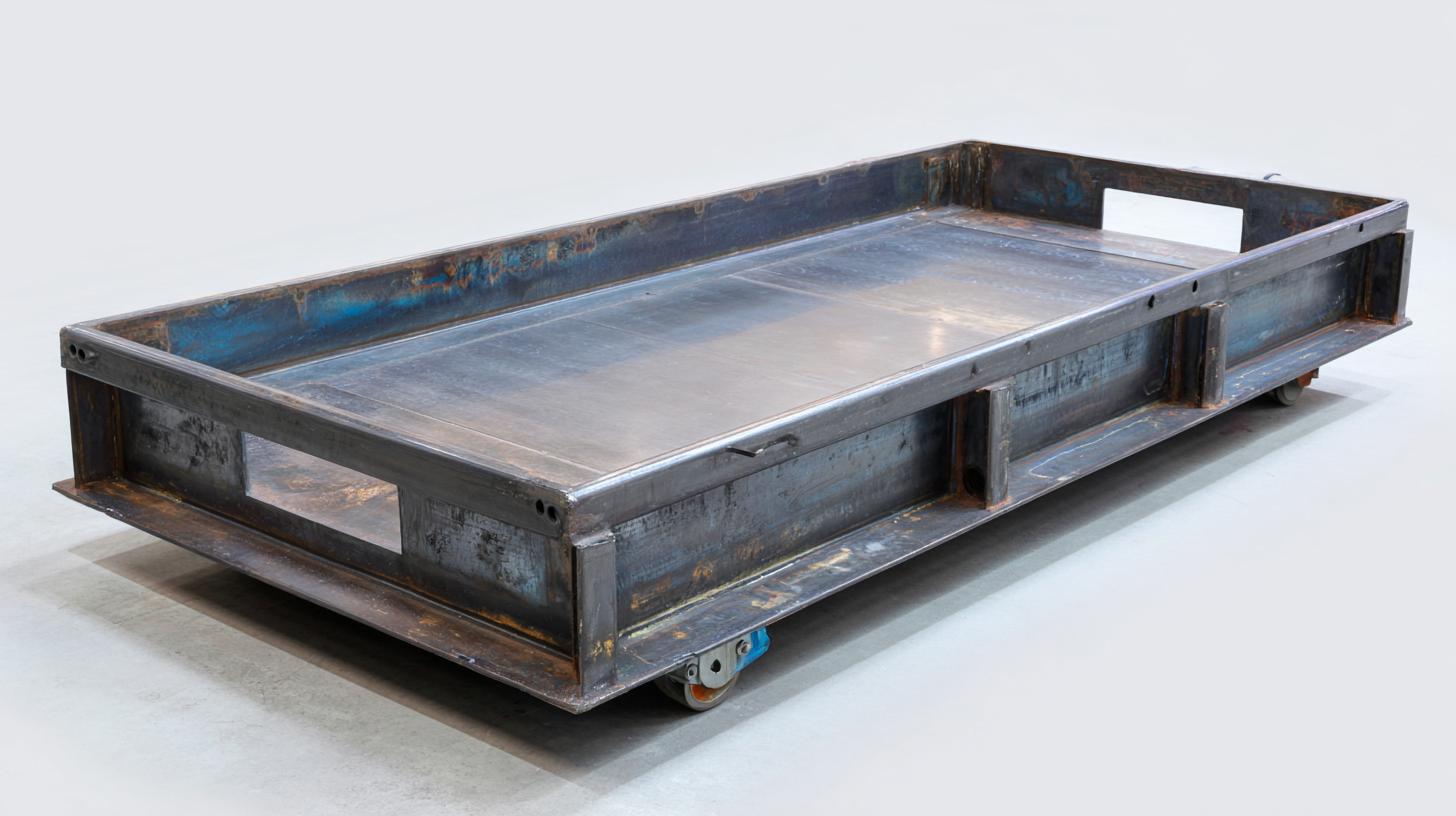
When you're picking out a welding pallet, it’s pretty important to understand the different types out there. It’s not just about what looks good; choosing the right one can really make your workshop run smoother. You’ll find various styles — for example, steel pallets are known for being tough and sturdy, perfect if you're tackling heavy-duty jobs. Meanwhile, aluminum pallets are lighter, making them easier to move around, but they might not hold up as well under really intense stress.
A good tip? Think about the weight your typical projects involve. And don’t forget to consider your workspace size and layout. You want a pallet that fits comfortably without turning your shop into a maze.
Oh, and there’s also the adjustable welding pallet, which is pretty handy. It lets you tweak the height and position of your work surface—great if you need more precision or just want to work more comfortably. Some pallets even come with extra features like built-in tool storage or lights, making your whole setup more practical and efficient.
Another thing to keep in mind is looking for pallets with features that help speed up your workflow. And if you’re short on space, try to find ones that are easy to move or store away when you’re not using them. It really makes a difference in keeping your workshop organized and functional.
The Ultimate Guide to Choosing the Best Welding Pallet for Your Workshop Needs
| Type of Welding Pallet | Material | Weight Capacity | Dimensions (L x W x H) | Common Uses |
| Fixed Welding Pallet | Steel | 500 lbs | 48 x 36 x 30 in | Heavy-duty welding tasks |
| Adjustable Welding Pallet | Aluminum | 400 lbs | 36 x 24 x 28 in | Versatile welding and metal fabrication |
| Mobile Welding Pallet | Steel | 300 lbs | 42 x 30 x 36 in | On-site welding projects |
| Workstation Welding Pallet | Metal / Wood composite | 600 lbs | 60 x 48 x 36 in | Professional welding stations |
| Transport Welding Pallet | Plastic | 250 lbs | 48 x 36 x 24 in | Transporting welding materials |
Key Features to Look for in a Quality Welding Pallet
When you're on the hunt for the perfect welding pallet for your workshop, there are a few key features you definitely want to keep in mind. Honestly, the material it's made from is a big deal. A good welding pallet should be sturdy enough—think heavy-duty steel or aluminum—that can handle those crazy temperature swings and won’t warp after a while. I’ve read that over 70% of welders prefer pallets made from strong alloy materials because they last longer and perform better over time, and honestly, it makes a lot of sense.
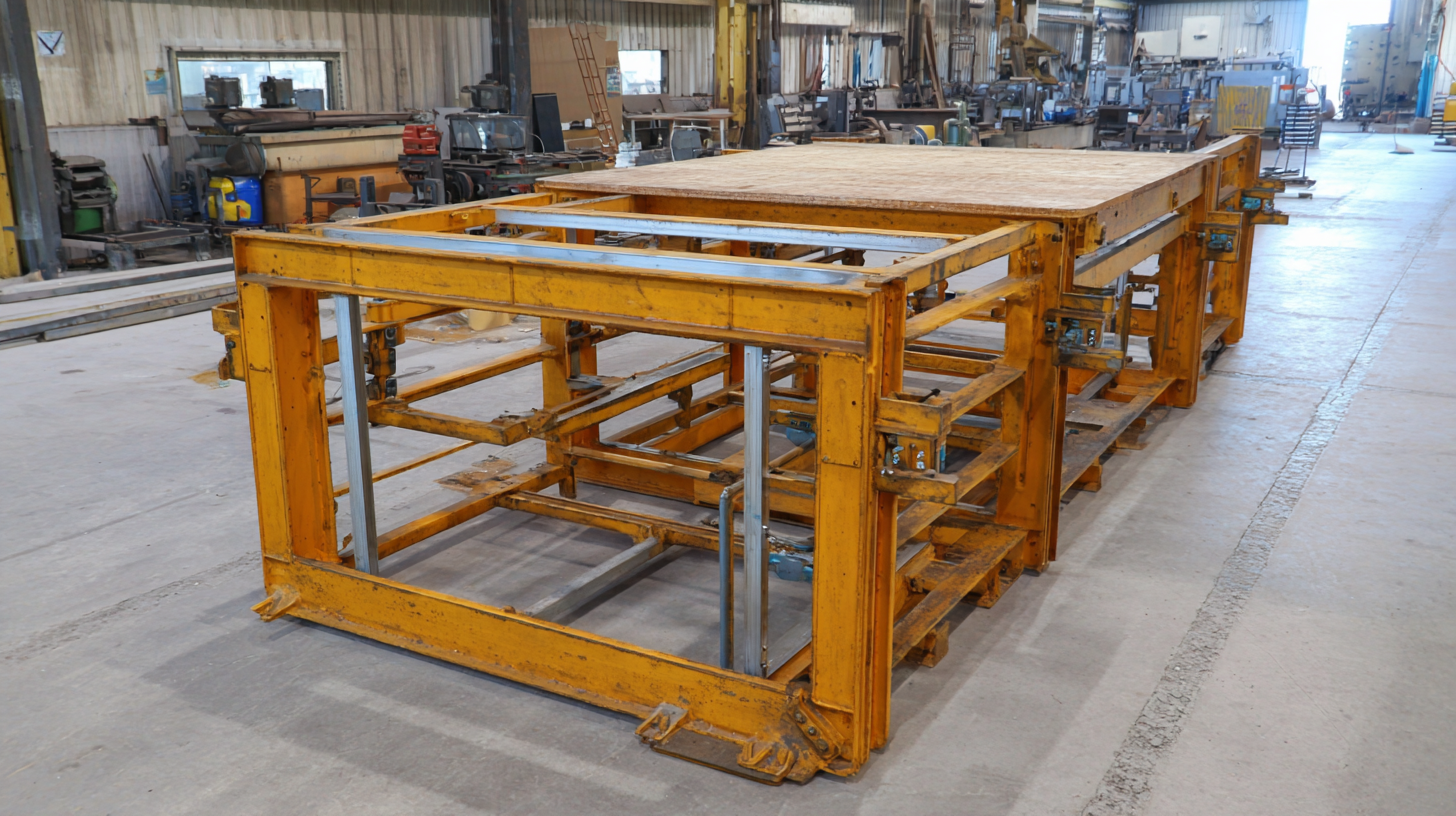
Size and weight capacity are also super important. Generally speaking, you want a pallet that can hold big parts and assemblies without breaking a sweat. The sweet spot seems to be somewhere around 1,500 to 2,500 pounds, which gives you some wiggle room for different projects. Plus, having adjustable supports can really boost stability—think of it like adding extra support to keep everything steady and precise while you’re welding. And let's not forget about ergonomics — a well-designed pallet makes it easier to reach your workpieces and keeps things safe. Basically, it helps you work smarter, not harder, and reduces the chances of accidents or strain over time.
Comparing Material Durability: Steel vs. Aluminum Welding Pallets
When you're picking out a welding pallet for your workshop, one of the first things you'll want to think about is how durable the material is — that really impacts how well it’ll hold up over time. Steel pallets are pretty popular because they’re super strong and tough. They can take a lot of heat and heavy weights, which makes them perfect if you’re doing intense welding work. Plus, steel doesn’t bend or warp easily, which is a big plus if your pallet gets moved around a lot or faces tough conditions. That said, steel can rust if you don’t keep up with maintenance — stuff like regular cleaning and maybe some protective coats can help extend its life.
On the flip side, aluminum pallets are much lighter, but they still hold up pretty well. One of their big perks is that they naturally resist corrosion, so they don’t need as much upkeep. If you’re all about mobility and ease, aluminum might be the way to go. Sure, it’s not as strong as steel — it can’t handle quite as much weight — but modern engineering has really stepped up, and today’s aluminum pallets are surprisingly capable when it comes to load capacity.
Overall, your choice will really come down to what you need most: if you’re looking for strength and durability, steel’s your best bet; but if you want something lightweight and low-maintenance, aluminum could be a better fit. Just weigh your options based on how much weight you need to carry, how much effort you're willing to put into upkeep, and the kind of environment your workshop is in.
Assessing Size and Height Adjustability for Your Workshop Space
Alright, when you're trying to pick out the best welding pallet for your workshop, it’s pretty important to think about the size and whether it can be adjusted in height. Honestly, having an ergonomic setup can boost your productivity by up to 20%, which is a huge deal. So, investing in adjustable pallets is smart — they let you customize things based on what you need, making your job easier during long shifts and helping reduce fatigue.
Meanwhile, in terms of space, you want to make sure your welding pallet fits nicely within your workshop. I read somewhere that about 80% of workshop inefficiencies come from poor layout and tool placement. If you find a pallet that really matches your workspace, it can totally improve your workflow and keep things safer.
Just so you know, Taizhou Huangyan Xintong Mold Co., Ltd. is pretty great at making custom solutions tailored to different industries—like medical equipment or logistics—so your welding pallets aren’t just functional, but also help your operations run safely and efficiently.
Cost Considerations: Finding a Balance Between Quality and Price
When you're trying to pick out the best welding pallet for your workshop, it’s super important to think about costs — finding that sweet spot between quality and price. These days, we've seen how just chasing after the cheapest options can be a mistake. For example, in the durian market, a recent study showed that slashing prices often led to poorer quality, which worried folks about what’s gonna happen to the standards of production down the road. The same thing can happen with welding equipment — if you go for the cheap stuff without thinking long-term, it might mess with your quality and how efficiently you work.
A good tip? Always check out the quality specs of the pallets you’re eyeing. Sometimes spending a bit more upfront on a better-quality pallet can really pay off by lasting longer and keeping your welds solid. Plus, look for features that make things safer and easier to use — those are usually signs of better materials.
And here’s a bonus: companies that offer customized setups often do a better job of matching your specific needs, which makes users happier overall. Take a company like Taizhou Huangyan Xintong Mold Co., Ltd., for instance— their expertise across different industries actually helps them produce higher-quality stuff that justifies a higher price tag. Bottom line, always go for suppliers that are genuinely committed to quality and that really understand your operations. It’s all about investing wisely to keep your workshop running smoothly.
Maintenance Tips to Extend the Lifespan of Your Welding Pallet
If you want your welding pallet to last longer and stay in good shape, making regular maintenance a part of your routine is really important. First off, always keep it clean—get rid of metal shavings, dust, or any welding spatter that might pile up. It might sound simple, but a quick check now and then for any signs of wear or damage can save you a lot of headaches later on. If you fix issues early, you'll prevent bigger problems down the road. Using some protective coatings is a good idea too; it helps fend off corrosion and keeps your pallet in top shape for longer.
And don’t forget to give the structural parts a once-over—check the welds and joints to make sure nothing's showing signs of fatigue or cracks. If your pallet has moving parts, a little lubrication can go a long way to keep everything running smoothly and avoid unnecessary wear. Stick to these basic maintenance tips, and you'll see your pallet last longer while your workshop works more efficiently. Plus, with all the new tech popping up—like automated systems for repairs—it’s worth keeping an eye out and adjusting your maintenance routines as needed. Staying on top of this stuff really pays off in the end.
FAQS
: When selecting a welding pallet, it's important to balance quality and price while ensuring the specifications meet your operational needs. Focusing solely on lower costs can lead to a decline in quality and productivity.
Higher-quality pallets typically offer enhanced durability and better weld integrity, which can lead to fewer repairs and replacements, ultimately saving costs over time.
Regular maintenance should include cleaning the pallet to remove contaminants, inspecting for signs of wear, using protective coatings against corrosion, and checking the structural integrity of welds and joints.
Keeping the pallet clean prevents contaminants like metal shavings and welding spatter from affecting its performance and longevity, ensuring better operational efficiency.
Look for suppliers with a proven track record of offering customized solutions that meet specific workshop needs and demonstrate expertise across industries.
Protective coatings help reduce the risk of corrosion, thereby extending the lifespan of the welding pallet and maintaining its performance over time.
Address any signs of wear or damage promptly to prevent escalation into more severe issues that could compromise the pallet's effectiveness.
Lubricating moving parts ensures smooth operation and helps prevent excessive wear, contributing to the overall efficiency and longevity of the pallet.
Stay updated on new technologies, such as fully automated systems for additive repair, which can enhance maintenance practices and improve operational reliability.
Regular inspections should be part of your maintenance routine, with checks conducted frequently to catch any potential issues early.
Conclusion
When you're shopping for a welding pallet for your workshop, it's really helpful to get a grasp on the different options out there and what features matter most for quality and usefulness. There are various types of pallets designed to meet specific needs—so thinking about durability is key. For instance, steel pallets are super sturdy, while aluminum ones are lighter and easier to move around. Don't forget to consider the size and whether height adjustments are available, as these little details can make a big difference in making the workspace more comfortable. Of course, budget always comes into play, so finding a good balance between cost and quality is important.
Taking care of your welding pallet with regular maintenance can really help it last longer, saving you money in the long run. Here at Taizhou Huangyan Xintong Mold Co., Ltd., we're passionate about offering top-notch, customized solutions that boost your workshop's efficiency. Plus, thanks to our experience across different industries, we truly understand what our clients need, and we're here to help you find the perfect welding pallet tailored just for you.