Hey there! So, in the world of manufacturing, things are changing pretty fast. Everyone’s really focused on making their production smoother and coming up with innovative designs—especially when it comes to plastic products. One thing that’s super important for getting top-notch results is the Plastic Bottle Mold. These molds are crucial in industries like drinks, cosmetics, and household items. Picking the right one can really make a difference—boosting efficiency and improving the final product’s quality, no kidding.
In this article, we’re going to take a look at what are honestly the top five plastic bottle molds out there that really stand out because of their quality and smart design. We’ll highlight some well-known manufacturers and their latest tech, to give you a better idea of how these molds can help streamline your production process and make your products better. They’re built to last, with precision, and are aligned with what’s trending in the industry. Plus, they help save materials, which is pretty good for the environment. So, stick around as we explore the best options that can help you keep your manufacturing on point when it comes to both efficiency and design—let's get into it!
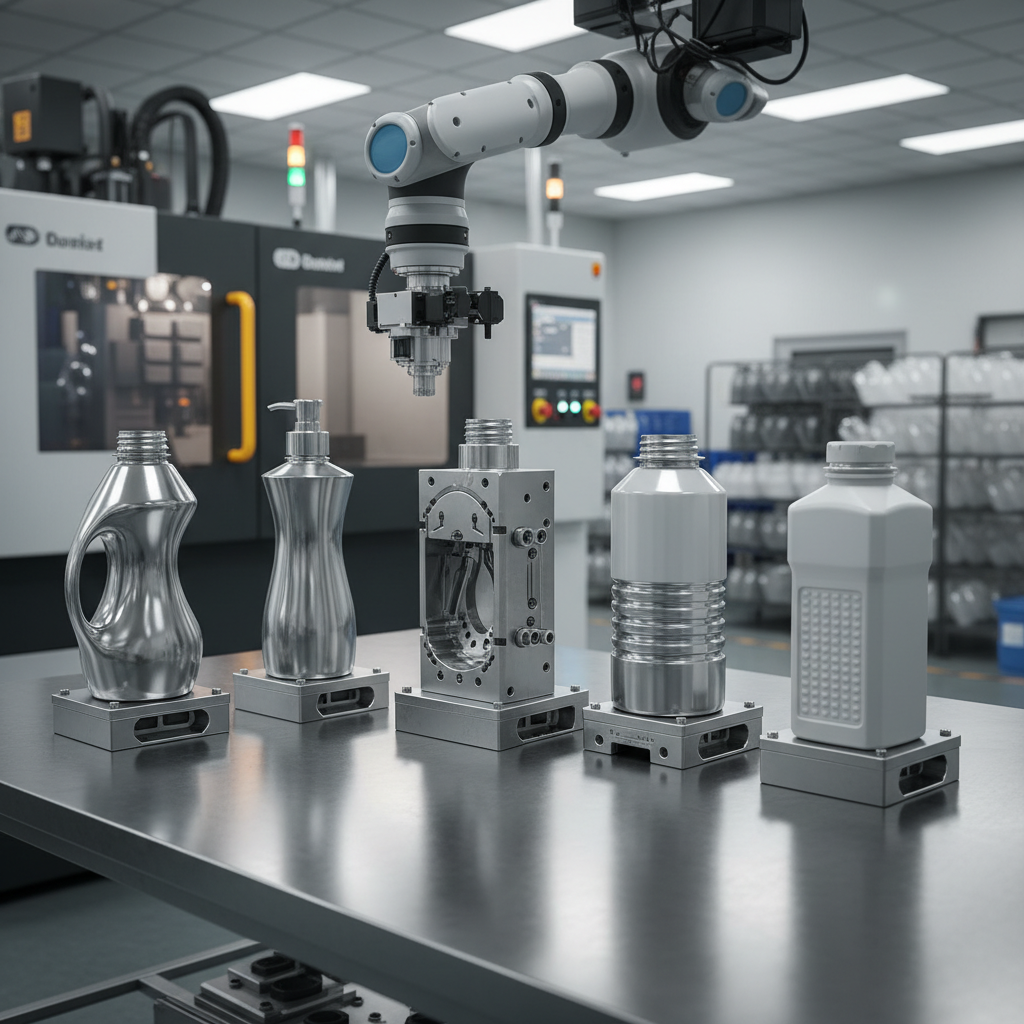
Understanding the Importance of Quality in Plastic Bottle Molds
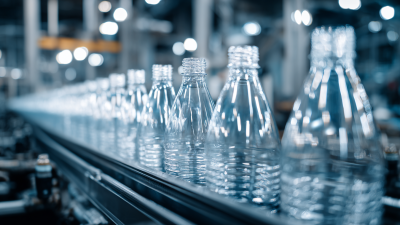
When it comes to the production of plastic bottles, the quality of the molds used is paramount. High-quality plastic bottle molds not only ensure precision in design but also significantly enhance the overall efficiency of the manufacturing process. According to a recent report by Grand View Research, the global plastic bottle market is expected to reach $500 billion by 2024, underscoring the critical role that quality molds play in meeting growing demand. Investing in superior molds helps companies maintain competitiveness by reducing wastage and improving production speed.
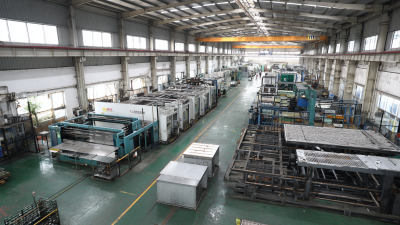
At Taizhou Huangyan Xintong Mold Co., Ltd., we recognize that excellence in mold design and construction directly influences product quality across industries such as medical equipment, logistics, and home furniture. Our commitment to providing customized, high-quality molding solutions empowers our clients to achieve their production goals efficiently.
Tips for selecting quality plastic bottle molds include conducting thorough research on the mold manufacturers, evaluating their experience and specialization, and assessing their previous projects. Additionally, engaging in regular maintenance of molds can extend their lifespan, ensuring consistent production quality over time. Prioritizing these factors can lead to more effective production processes, ultimately benefiting the bottom line.
Key Features to Look for in Efficient Plastic Bottle Molds
When selecting efficient plastic bottle molds, there are several key features that are vital for optimal production. One of the most important aspects to consider is the mold material. High-quality molds are typically made from durable materials such as stainless steel or aluminum, which can withstand the rigors of production while ensuring longevity and consistent performance. Additionally, the mold design should facilitate easy release of the bottles, minimizing production time and reducing the risk of defects.
Another crucial feature is the precision of the mold. Molds should be engineered to ensure tight tolerances and superior surface finish, which results in a seamless and high-quality bottle. Moreover, the capability for quick interchangeability is essential, as it allows manufacturers to quickly switch between different bottle designs without extensive downtime. Incorporating features like cooling channels can also enhance the efficiency of the production process by speeding up cycle times, ultimately improving productivity and reducing costs. These elements, combined with a reliable manufacturer, play a significant role in the efficiency and effectiveness of plastic bottle production.
Top 5 High-Quality Plastic Bottle Molds Analysis
Top 5 Plastic Bottle Molds: A Comparative Analysis
The growing demand for high-quality plastic bottle molds is crucial for efficient production and sustainable design. The comparative analysis of different types of molds highlights their applications across various production processes, including thermoforming, injection molding, extrusion, and blow molding. Each grade serves a unique purpose: thermoforming molds are favored for their versatility in creating rigid thermoforms, while injection molding grades excel in precise and complex designs.
Moreover, the focus on sustainability has led to innovative materials like biobased Polyethylene Furanoate (PEF) which boasts a low CO2 footprint compared to traditional materials. Utilizing renewable carbon in the production of bottles not only reduces environmental impact but can also enhance the overall market appeal of the products. As manufacturers transition towards eco-friendlier options, the technology behind bottle molds must evolve to accommodate these new materials, ensuring that high-quality standards are met while addressing sustainability concerns.
Innovative Design Techniques for Enhanced Bottle Mold Efficiency
Innovative design techniques are revolutionizing the production of plastic bottle molds, significantly enhancing their efficiency. According to a recent industry report by Smithers, the global plastic bottle market is projected to reach over $60 billion by 2025, driven largely by increased demand for sustainable packaging solutions. Integrating advanced software tools such as CAD and simulation technologies enables mold designers to create more complex and optimized geometries. This leads to reduced material waste and shorter production cycles, translating to cost savings of up to 20% per unit produced.
Moreover, the incorporation of 3D printing in the prototyping phase of mold design allows for rapid iteration and customization. A study published in the Journal of Mold Making reports that companies employing 3D printing in their design process can reduce lead times by up to 50%. This innovation not only accelerates the development of new molds but also facilitates the production of lightweight designs, directly impacting sustainability. These emerging techniques are essential for manufacturers aiming to enhance efficiency and meet the evolving needs of the market.
Top 5 High-Quality Plastic Bottle Molds for Efficient Production and Design
| Mold Type | Material | Production Capacity (units/hour) | Cycle Time (seconds) | Design Features |
| Blow Mold | Steel | 1200 | 10 | Multilayer Design |
| Injection Mold | Aluminum | 800 | 15 | High Precision Tolerance |
| Compression Mold | Borosilicate Glass | 600 | 20 | User-Friendly Design |
| Rotational Mold | Polypropylene | 400 | 30 | Seamless Design |
| Thermoforming Mold | ABS Plastic | 1000 | 12 | Lightweight Structure |
Cost-Effectiveness: Balancing Quality and Production Expenses
In the competitive landscape of plastic production, cost-effectiveness is paramount. As highlighted in the 2023 Plastic Industry Association's report, manufacturers are increasingly seeking molds that not only enhance the quality of the end product but also minimize production costs. Choosing the right plastic bottle mold can lead to significant savings; for instance, investing in high-quality molds can reduce cycle times by up to 30%, ultimately lowering operational expenses.
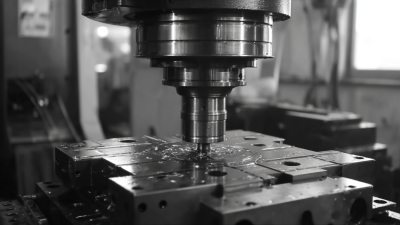
Moreover, the balance between quality and production expenses is critical. According to a study published in the Journal of Manufacturing Science and Engineering, companies that prioritize high-quality molds often experience a 25% reduction in material waste. This not only contributes to sustainability efforts but also positively impacts the bottom line. With advancements in mold technology, such as the use of high-precision CNC machining, manufacturers can achieve both superior design capabilities and cost efficiency, ensuring their investment yields long-term returns. By carefully selecting high-quality molds, businesses can streamline production processes without compromising on the final product’s quality.
Future Trends in Plastic Bottle Mold Manufacturing and Design

The landscape of plastic bottle mold manufacturing is evolving rapidly, driven by advancements in technology and sustainability demands. According to a recent report by Grand View Research, the global plastic mold market is projected to reach $38.5 billion by 2027, growing at a CAGR of 5.1%. This anticipated growth is largely attributed to the increasing need for lightweight and reusable products, highlighting the importance of innovative design in mold manufacturing.
One major trend shaping the future of plastic bottle molds is the adoption of Industry 4.0 principles, which integrate automation with data exchange in manufacturing technologies. A report by Technavio highlights that companies implementing smart manufacturing practices can achieve up to 20% reductions in production costs. Additionally, sustainable materials, such as bio-based plastics, are set to gain traction due to rising consumer awareness and regulatory pressures, encouraging manufacturers to rethink their design strategies to include not only functionality but also environmental impact. Adopting these modern manufacturing techniques will enable businesses to produce high-quality bottle molds more efficiently and responsively.
Exploring the Impact of Advanced Plastic Pallet Moulds on Efficiency and Cost Savings in the 9-Runner Logistics Sector
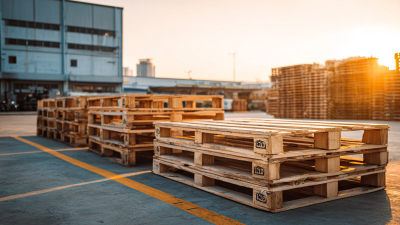
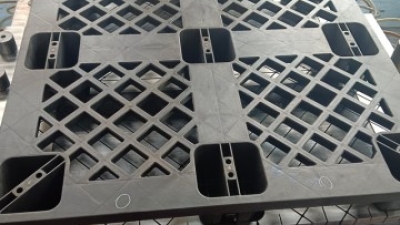
In the 9-runner logistics sector, efficiency and cost savings are paramount for optimizing operations. One of the most significant advancements in this domain is the introduction of advanced Plastic Pallet Moulds, which enable the production of high-quality injection-molded grid-type plastic pallets. These pallets, crafted from high-density polyethylene (HDPE) or polypropylene (PP), embody a blend of durability and lightweight construction essential for modern logistics.
The reinforced grid structure of these pallets, characterized by interlocking ribs, ensures superior strength and load distribution. This design not only enhances the pallets' durability but also significantly reduces their weight without compromising load capacity. As a result, they are exceptionally suited for racking, stacking, and efficient forklift handling, allowing for smoother material handling processes. The open-grid design facilitates better air circulation, further benefiting inventory management in temperature-sensitive environments.
Investing in advanced plastic pallet moulds leads to remarkable cost savings by minimizing product damage during transit and storage, reducing material handling time, and optimizing warehouse space. With the logistics industry becoming increasingly competitive, the integration of these innovative pallets can provide a tangible edge, significantly enhancing operational efficiency while contributing to environmental sustainability through their recyclable materials.
FAQS
: The main types of plastic bottle molds discussed include thermoforming, injection molding, extrusion, and blow molding.
Thermoforming molds are favored for their versatility in creating rigid thermoforms, making them suitable for a variety of applications.
A significant trend is the integration of Industry 4.0 principles, which involves automation and data exchange in manufacturing processes.
Sustainable materials, like bio-based plastics, are gaining traction due to consumer awareness and regulatory pressures, prompting manufacturers to rethink design strategies for environmental impact.
The global plastic mold market is projected to reach $38.5 billion by 2027, growing at a CAGR of 5.1%.
Companies implementing smart manufacturing practices can achieve up to a 20% reduction in production costs.
PEF, a biobased material, offers a low CO2 footprint compared to traditional materials, contributing to sustainability and enhancing market appeal.
Innovative design is crucial as it not only focuses on product functionality but also addresses environmental impact, aligning with sustainability trends.
Manufacturers are transitioning towards eco-friendlier options and evolving their mold technologies to accommodate new sustainable materials while maintaining high-quality standards.
Increasing consumer awareness regarding sustainability influences manufacturers to adopt more eco-friendly materials and practices in their production processes.
Conclusion
The article "Top 5 High-Quality Plastic Bottle Molds for Efficient Production and Design" highlights the critical role that quality plays in the manufacturing of plastic bottle molds. It outlines key features to consider for efficient production, emphasizing the need for innovative design techniques that enhance mold performance. A comparative analysis of the top five plastic bottle molds showcases their strengths, helping manufacturers make informed decisions. Furthermore, the article addresses the importance of balancing quality with cost-effectiveness, ensuring that businesses can optimize their production expenses without compromising on the standards of their products.
With a focus on future trends, the discussion extends to advancements in plastic bottle mold manufacturing and design, which are crucial for staying competitive in various industries. At Taizhou Huangyan Xintong Mold Co., Ltd., our expertise in customized molding solutions positions us as a reliable partner for businesses looking to harness the latest innovations in plastic bottle mold technology for superior production outcomes.