Picking a dependable blow molding pallet supplier isn’t just about checking out the prices in their catalogs. These pallets are pretty vital—they hold bottles, containers, and tough industrial loads, especially across busy distribution networks. A weak or poorly made pallet can bend, warp, or break down when exposed to heat, humidity, or if it gets backed up with forklifts repeatedly. So, this guide walks you through ten well-known suppliers from around the world, using practical criteria that really matter when you’re buying. We look at things like material quality, mold design, how well they handle heavy loads, customization options, lead times, and the kind of service you can expect. And hey, real warehouse conditions, along with clean edges, actually matter quite a bit in the real world.
The list covers companies like Craemer, CABKA, Rehrig Pacific, Schoeller Allibert, and ORBIS Corporation, plus regional players who serve sectors like beverages, chemicals, food, and manufacturing. But, just relying on a supplier’s reputation isn’t enough. It’s smart to ask for technical datasheets, sample pallets, test methods, and warranty info before you make your decision. Things like dimensions, deck design, nesting options, and hygiene standards can seriously impact how well a pallet performs in your specific setup. A pallet that looks sturdy enough might still let you down in the heat of a hot trailer.
Our goal here is to help procurement teams, packaging engineers, distributors, and plant managers get a clear picture. We focus on real, verifiable details rather than flashy marketing. Keep in mind, some info might differ depending on the region or model, so it’s worth double-checking with each manufacturer regarding availability, certifications, tooling, and shipping costs. And honestly, the cheapest option isn’t always the best. The trick is to find a pallet that performs reliably, fits your current equipment, and can be supported throughout its entire lifespan—you know, the kind you can count on day in and day out.
What Are Blow Molding Pallets and How Are They Made?
Blow Molding Pallets are reusable plastic platforms formed as hollow, one-piece structures. They commonly use high-density polyethylene because it resists moisture, impact, and many warehouse chemicals. Unlike assembled pallets, they have fewer joints, nails, and weak connection points. This design supports cleaner handling in food, pharmaceutical, and industrial storage areas.
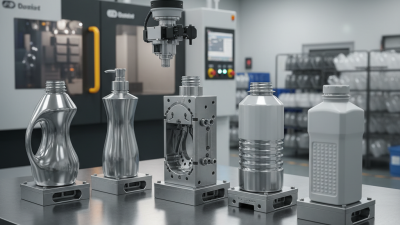
Manufacturing begins with plastic resin pellets, often mixed with approved colorants or performance additives. The material is heated and extruded as a soft tube called a parison. A mold closes around it, then compressed air expands the plastic against the mold walls. Cooling water hardens the shape. The mold opens, and operators trim excess material from edges and openings. Some designs receive reinforced feet, drainage holes, or anti-slip surfaces during this stage.
Quality control should check weight, dimensions, fork-entry openings, and load performance. Small flaws matter. A thin corner can crack after repeated impacts. A pallet may pass a visual check yet fail during stacking or transport. This process is not flawless. Uneven cooling can create distortion, while recycled content may affect consistency. Reliable suppliers therefore test static loads, dynamic movement, temperature exposure, and repeated handling. They should also provide resin information and measurable test conditions, rather than vague claims. For buyers, the practical question is not only how much a pallet costs, but how its structure performs in the intended supply chain.
Key Features That Define High-Quality Blow Molding Pallets
When comparing the top blow molding pallet suppliers worldwide, inspect the pallet before trusting its specifications. High-quality pallets usually use consistent virgin or controlled recycled polymer. The material should resist impact, moisture, oils, and repeated temperature changes. Uneven walls often reveal weak process control. Check the corners carefully.
A reliable pallet needs a stable deck and reinforced runners. These parts should distribute heavy loads without excessive flexing. Drainage holes can prevent trapped water during washing. Smooth surfaces also reduce dirt buildup and simplify inspection. For warehouse use, confirm both static and dynamic load ratings. A pallet rated for 1,000 kilograms may carry less during movement. Forklift entry should remain clear from every approved direction.
Good suppliers provide dimensional tolerances, test methods, and batch traceability. Ask for drop-test results, racking data, and samples from normal production. Color consistency can help identify damage, but it does not prove strength. I have seen attractive pallets fail because their ribs were too thin. No pallet is perfect. Design choices always involve trade-offs between weight, rigidity, and cost. Nestable models save storage space, while stackable models may offer better load stability. Confirm the pallet’s fit with conveyors, forklifts, washing equipment, and export packaging. A small mismatch can create daily handling problems. Pay attention to repair policies and replacement availability, too. Reliable technical support matters after delivery, not only during sales.
Top 10 Blow Molding Pallets Suppliers Worldwide - Key Features That Define High-Quality Blow Molding Pallets
Comparative benchmark of leading supplier profiles. Supplier identities are intentionally omitted; specifications represent commonly available commercial blow-Molded Pallet configurations and should be verified against individual technical datasheets.
| Rank | Supplier Profile | Primary Supply Region | Typical Pallet Format | Common Size | Typical Weight | Static Load | Dynamic Load | Racking Load | Key Quality Features | Best-Fit Applications |
| 1 | Profile A | North America | Heavy-duty hygienic one-piece pallet | 48 × 40 in
(1219 × 1016 mm) | 24–32 kg | 4,000–5,000 kg | 1,000–1,500 kg | 600–1,000 kg | High-density polyethylene construction, sealed hollow sections, rounded edges, strong perimeter rails, optional anti-slip deck. | Food processing, beverages, distribution centers |
| 2 | Profile B | Western Europe | EUR-compatible export pallet | 1200 × 800 mm | 18–25 kg | 3,000–4,000 kg | 800–1,200 kg | 400–700 kg | Uniform molded deck, nestable geometry, hygienic design, recyclable material, optional RFID or barcode recess. | European export logistics, retail supply chains |
| 3 | Profile C | East Asia | Container-load optimized pallet | 1200 × 1000 mm | 20–28 kg | 3,500–4,500 kg | 900–1,300 kg | 500–800 kg | Lightweight blow-molded shell, reinforced fork openings, dimensional consistency, moisture resistance and low maintenance. | International shipping, electronics, general manufacturing |
| 4 | Profile D | Central Europe | Hygienic closed-deck pallet | 1200 × 1000 mm | 22–30 kg | 3,500–5,000 kg | 1,000–1,500 kg | 600–900 kg | Smooth cleanable surfaces, minimal dirt traps, high impact resistance, optional food-contact compliant resin. | Pharmaceuticals, meat and dairy processing |
| 5 | Profile E | Southeast Asia | Returnable export pallet | 1100 × 1100 mm | 19–27 kg | 3,000–4,000 kg | 700–1,100 kg | 400–700 kg | UV-stabilized HDPE options, corrosion-free structure, washable surface, nesting capability and replaceable identification labels. | Automotive components, consumer goods, cross-border shipping |
| 6 | Profile F | Australia and Oceania | Outdoor-duty industrial pallet | 1165 × 1165 mm | 21–29 kg | 3,000–4,500 kg | 800–1,200 kg | 400–800 kg | Weather-resistant resin, reinforced base, non-absorbent body, stable performance in humid environments. | Agriculture, mining support, outdoor warehousing |
| 7 | Profile G | Middle East | UV-resistant warehouse pallet | 1200 × 1000 mm | 20–29 kg | 3,000–4,000 kg | 700–1,100 kg | 350–700 kg | UV protection, heat-tolerant material options, high-visibility color choices, and strong resistance to moisture and corrosion. | Cold-chain logistics, warehouses, chemical packaging |
| 8 | Profile H | Latin America | Heavy-load export pallet | 1200 × 1000 mm | 23–31 kg | 3,500–4,500 kg | 900–1,300 kg | 500–800 kg | High-impact blow-molded body, four-way forklift entry, anti-slip feet, and resistance to insects and water absorption. | Beverages, food ingredients, industrial exports |
| 9 | Profile I | South Asia | Cost-efficient reusable pallet | 1200 × 800 mm | 16–23 kg | 2,500–3,500 kg | 600–1,000 kg | 300–600 kg | Reduced material usage, stackable profile, easy cleaning, repair-free design and compatibility with common pallet-handling equipment. | Textiles, packaged foods, light manufacturing |
| 10 | Profile J | Global Export Supply | Custom-engineered blow-molded pallet | Custom; commonly
1200 × 1000 mm | 18–35 kg | 3,000–5,000 kg | 700–1,500 kg | 300–1,000 kg | Customized deck, runners and load zones; optional fire-retardant additives, logos, labels, drainage holes or reinforcement inserts. | Automotive, pharmaceutical, machinery and closed-loop logistics |
| Evaluation criteria: dimensional stability, load capacity, resistance to impact and moisture, hygienic cleanability, forklift compatibility, recyclability, UV performance, traceability options and suitability for the intended storage condition. Load capacities vary with pallet design, temperature, load distribution, stacking height and racking system. |
How to Evaluate Blow Molding Pallet Suppliers Worldwide
Evaluating a blow molding pallet supplier starts with production evidence, not attractive brochures. Ask how long the factory has made pallets for automated lines. Request samples from the same mold and resin grade used in regular production. Examine rib thickness, corner radii, weld lines, and deck flatness under a straightedge. Small defects often become large handling problems.
A reliable supplier should explain material selection, impact testing, load ratings, and quality controls clearly. Ask for test conditions, not only final numbers. A pallet rated for 1,000 kilograms may fail when loads are uneven or floors are damaged. Check whether dimensions remain stable after heat, cold, and repeated washing. Review batch records, inspection frequency, corrective actions, and traceability. Visit the plant if possible. Watch material feeding, mold changes, cooling, and packing. Real process visibility matters more than polished claims.
Compare tooling support, lead times, spare molds, and communication during defects. Confirm whether recycled content is controlled and documented. Moisture management also deserves attention. Poor storage can create Moldy Pallets when contamination sits nearby or ventilation is weak, even if the plastic resists mold. Ask about storage guidance and cleaning validation. I would not approve a supplier after one successful sample. That is an easy mistake. Repeat trials, inspect mixed batches, and record every change. Suppliers that welcome difficult questions usually offer stronger long-term reliability.
Top 10 Blow Molding Pallets Suppliers by Region and Expertise
Top 10 Blow Molding Pallets Suppliers Worldwide
The top ten suppliers are best compared by region and technical expertise, not market visibility alone. North American producers often lead in heavy-duty pallets for automated warehouses and closed-loop distribution. European suppliers emphasize lightweight designs, traceability, and strict material documentation. Asia-Pacific manufacturers compete through high-volume production, export compatibility, and fast tooling changes. Middle Eastern producers focus on heat resistance and UV stability. Latin American suppliers commonly prioritize affordable repair cycles and regional availability.
Freedonia’s World Pallets research identifies plastic pallets as a growing alternative to wood in logistics, especially where hygiene and dimensional consistency matter. That shift supports blow molding, which can create hollow, impact-resistant structures with fewer assembly points. Still, supplier claims need practical testing. ISO 8611 load tests should cover bending, racking, impact, and repeated handling. A Molding Cover can protect vulnerable surfaces during storage, but it may complicate cleaning if poorly fitted. Small detail, significant risk. The OECD’s Global Plastics Outlook reports that only 9% of plastic waste was recycled globally in 2019. Therefore, the strongest regional suppliers now document resin sources, recycled content, and end-of-life routes. The ranking remains imperfect because freight distance, local service, and tooling ownership can change the result quickly.
Comparing Supplier Capabilities, Materials, and Customization Options
Top 10 Blow Molding Pallets Suppliers Worldwide
Comparing suppliers requires more than checking catalog prices. Their Pallet Molding capability reveals production maturity, process control, and design flexibility. Ask about mold accuracy, cycle consistency, and inspection records. A dependable supplier should explain how it controls wall thickness, cooling, and deformation. These details matter when pallets carry stacked cartons through humid warehouses or uneven loading zones.
Material selection affects impact resistance, weight, hygiene, and service life. Virgin HDPE suits demanding applications where cleanliness and predictable strength are essential. Recycled HDPE can reduce material costs, but its quality may vary between batches. PP offers useful stiffness and heat resistance in selected environments. Request test data, not broad promises. Check static load, dynamic load, rack performance, and low-temperature impact results. Small details matter.
Customization separates capable suppliers from simple molders. Useful options include reinforced runners, drainage holes, anti-slip surfaces, RFID recesses, and printed identification areas. Some suppliers can modify entry points for forklifts or optimize pallet dimensions for container space. However, customization can increase tooling costs and minimum order quantities. No supplier is perfect. A clever feature may weaken another area. Buyers should review drawings, sample pallets, and field feedback before approval. A short pilot run often exposes problems that polished presentations hide.
Selecting the Right Global Supplier for Your Pallet Requirements
Selecting a global supplier for Moulded Pallets requires more than comparing unit prices. A recent Grand View Research report estimates that the global plastic pallets market will continue expanding through 2030, driven by food, pharmaceutical, and retail logistics. This growth increases supplier choices, but it also increases quality differences. Request test reports, resin specifications, and production records before approving samples. A reliable supplier should explain load ratings for static, dynamic, and racking conditions.
Look closely at practical details. A pallet should remain stable under your actual forklift routes, warehouse temperatures, and stacking height. ISO 8611 testing covers bending, stiffness, and safe working performance. Ask whether the supplier tests every design or only selected samples. That small distinction matters. Check dimensions, entry openings, deck drainage, edge strength, and repair options. A pallet that fits one automated conveyor may jam another. Measure it yourself.
Sustainability data deserves careful review. Industry analyses commonly identify recycled content and pallet return systems as major environmental factors. However, recycled plastic can vary in strength and cleanliness. Suppliers should provide traceable material percentages and batch controls. Some claims sound impressive. They may not survive an independent audit. Compare five-year costs, including transport weight, breakage, washing, storage, and replacement rates. A cheaper pallet can become expensive after one damaged shipment. Global support also matters: regional stock, spare tooling, documented lead times, and responsive technical service reduce operational risk. Supplier selection is partly analytical, but field experience still exposes weaknesses that spreadsheets miss.
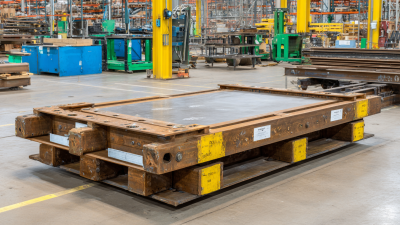
How 9-Runner Plastic Pallet Moulds Improve Durable Grid-Type Warehouse Pallet Production
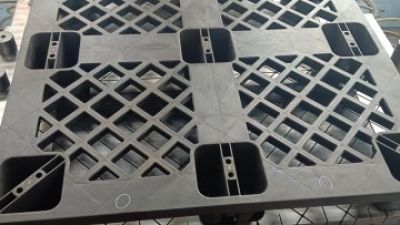
9-runner Plastic Pallet Moulds play an important role in producing durable grid-type warehouse pallets. By distributing molten HDPE or PP through multiple balanced flow paths, the mould helps fill each section evenly and reduces differences in wall thickness, deformation, and surface defects. This consistent injection process supports accurate pallet dimensions, stable runner positions, and reliable compatibility with forklifts, racks, and stacking systems.
The mould is designed for pallets with an open-grid structure and reinforced interlocking ribs. These ribs improve load distribution across the deck while keeping the pallet relatively lightweight, making it easier to handle and transport. A well-engineered 9-runner system can also shorten filling time and support efficient production cycles, helping manufacturers maintain consistent output for demanding warehouse applications. Proper cooling channels and durable mould materials further improve dimensional stability during repeated production.
Using this mould design, factories can produce injection-molded pallets in different sizes and load capacities while maintaining clean grid openings and strong support points. The finished pallets are suitable for racking, stacking, forklift handling, and general material storage, offering a practical balance of durability, weight reduction, and production efficiency.
FAQS
: Look for consistent virgin or controlled recycled polymer. The material should resist impact, moisture, oils, and temperature changes. Material alone never proves performance.
Examine corners, walls, ribs, deck surfaces, and reinforced runners. Uneven walls may indicate weak process control. Thin ribs can fail despite attractive colors.
Check static and dynamic load ratings separately. A pallet rated for 1,000 kilograms may carry less during movement. Racking conditions also matter.
Drainage holes prevent water from remaining inside or beneath the pallet. They support washing and reduce trapped moisture. Poor placement may still complicate cleaning.
Request dimensional tolerances, test methods, batch traceability, and normal-production samples. Ask for drop-test results and racking data. Marketing claims need practical verification.
Nestable pallets save storage space when empty. Stackable pallets may provide better stability under load. The better choice depends on handling conditions.
Confirm compatibility with conveyors, forklifts, washing equipment, and export packaging. Forklift entry should remain clear from every approved direction. Small mismatches create daily problems.
North American producers often focus on heavy-duty warehouse applications. European producers commonly emphasize lightweight designs and documentation. Asia-Pacific producers may offer high-volume production and rapid tooling changes.
Recycled content can support material planning and environmental reporting. Suppliers should document resin sources and disposal or recovery routes. The information may still be incomplete.
Check repair policies, replacement availability, and technical response times. Support should continue beyond the sales process. No pallet is perfect.
Conclusion
Blow Molding Pallets are durable, lightweight, and reusable platforms produced through a specialized plastic forming process that creates a strong, consistent structure. This article explains how they are made and highlights the features that define high-quality products, including load capacity, dimensional stability, impact resistance, hygiene, weather tolerance, and compatibility with automated handling systems. It also outlines practical criteria for evaluating suppliers worldwide, such as manufacturing experience, quality control, material selection, production capacity, delivery reliability, technical support, and compliance with applicable industry requirements.
The guide presents the top 10 Blow Molding Pallets suppliers by region and area of expertise without focusing on brand promotion. It compares their general capabilities, available materials, design flexibility, surface options, and customization services. Finally, it provides a clear framework for selecting the right global supplier based on pallet size, application environment, transportation needs, budget, order volume, and long-term service expectations.