When it comes to storing beer, there's really no messing around—keeping things clean and efficient is key. Dr. John Brewster, a well-known expert in beverage storage, once pointed out that “Picking the right storage crate can make all the difference, especially when it comes to avoiding Beer Storage Crate Mold.” Mold isn’t just a downer for the beer’s quality—it can also be a health concern for everyone drinking it.
Properly handling mold issues matters a lot for breweries and even folks who just love their home brew. With weather and environmental factors constantly changing, it’s super important to choose storage materials and designs that last long and resist moisture. For example, some types of wood are more prone to mold than others, so picking the right kind really takes some know-how.
And let’s be honest, there’s still quite a bit of confusion out there about mold resistance in beer crates. A lot of people think all storage options are created equal—spoiler alert, they’re not. If you don’t know enough about preventing Beer Storage Crate Mold, you might face some unexpected setbacks. Bottom line? Making smart, informed decisions can really help you protect your beer collection and keep it tasting great for years to come.
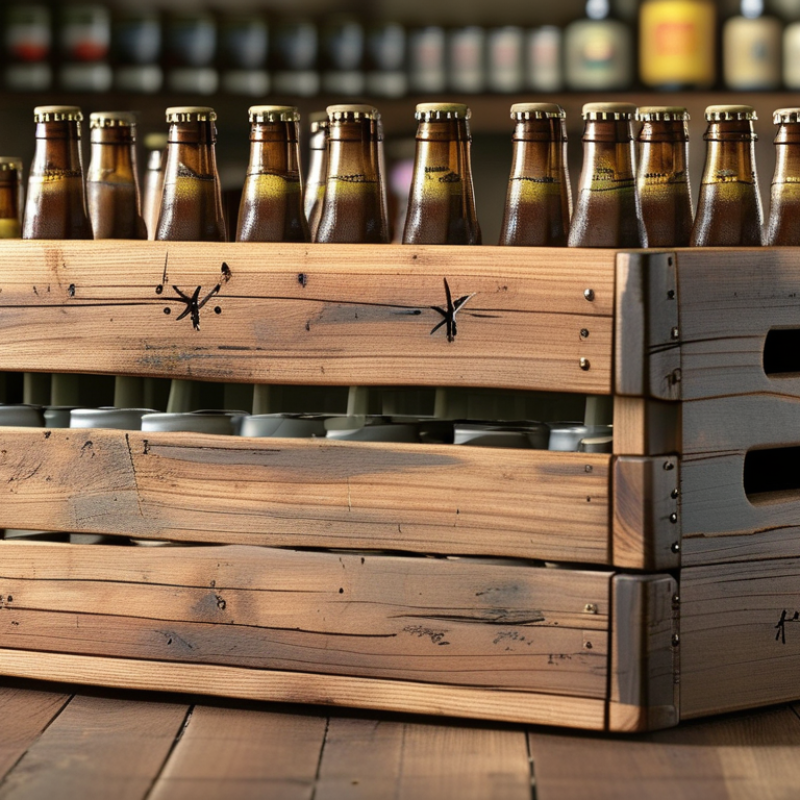
Understanding the Importance of Beer Storage Crate Mold Solutions
Understanding the proper mold solutions for beer storage crates is crucial. Mold can affect the quality and taste of beer. According to the Brewers Association, improper storage can lead to a 25% decrease in product quality over time. This statistic underscores the need for effective mold solutions in the beer industry.
Choosing the right materials for beer storage is key. Opt for crates made from non-porous, easy-to-clean materials. These materials can help minimize mold growth. Regular inspections should be conducted. Experienced brewers suggest checking storage conditions monthly. This simple act can save significant losses in quality and revenue later on.
In practical terms, consider environmental factors. High humidity and temperature can exacerbate mold issues. A report from the Journal of Food Protection outlines that optimal storage conditions should maintain temperatures below 55°F and humidity levels under 60%. Adapting your storage methods to these findings creates a more reliable environment for preservation. Decisions made today can influence the beer’s shelf life and taste.
Identifying Common Types of Mold in Beer Storage Crates
When storing beer, mold is a common concern. Identifying the types of mold that can thrive in storage crates is essential for maintaining beer quality. Black mold is often a sign of moisture problems. It can affect both the beer and the crate's integrity. Similarly, green mold can appear in damp conditions. It usually develops on organic materials, including wood.
Common white mold is less harmful but can still indicate improper storage. This mold can create a musty odor, affecting your beer's flavor profile. It is vital to check crates regularly for any visible mold growth. Keep the storage area dry and well-ventilated to prevent these issues.
Mold can also thrive in temperature fluctuations. Beer storage crates should maintain a consistent, cool environment. If the crate material absorbs moisture, it can lead to mold development. Regularly inspect crates and replace those that show signs of wear. Consider using breathable materials or liners that reduce moisture retention. Reliable mold prevention strategies ensure a quality beer storage experience.
Evaluating Different Material Options for Crate Construction
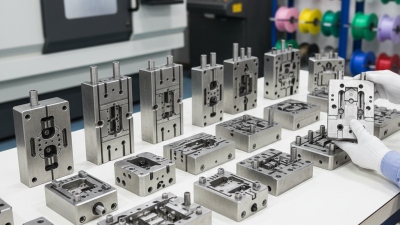
When it comes to beer storage crates, choosing the right material is crucial. Different materials can affect durability, temperature control, and ease of cleaning. Wood may provide an aesthetic charm but can absorb moisture and harbor bacteria. Plastic crates offer a lightweight and hygienic alternative, which is particularly important for storing beverages. Beer Plastic Crate Mould is designed for efficient production, ensuring quality and longevity.
Metal crates can be appealing due to their robustness, but they can be heavy and prone to rust. It’s essential to evaluate these options based on your specific storage needs. Will you store the crates indoors or outdoors? Is insulation a priority? These questions will guide your choice. A hybrid solution might seem ideal but could introduce complications in maintenance and functionality.
Consider the craftsmanship and molding process of the crate. Quality Beer Plastic Crate Mould ensures that the finished products are sturdy and reliable. However, the production process may sometimes lead to inconsistencies. Small imperfections might seem trivial, but they can affect the crate's performance. Reflecting on these factors can lead to a more informed decision when selecting the ideal beer storage solution.
Top 10 Tips for Choosing Beer Storage Crate Mold Solutions
| Material Option | Mold Resistance | Durability | Weight | Cost |
| Plastic | High | Moderate | Lightweight | $$ |
| Wood | Low | High | Moderate | $$$ |
| Metal | Moderate | Very High | Heavy | $$$$ |
| Composite | High | High | Lightweight | $$$ |
| Cardboard | Low | Low | Lightweight | $ |
Assessing Environmental Factors that Promote Mold Growth
When selecting a storage crate for beer, it's essential to consider environmental factors that can encourage mold growth. High humidity levels are a primary concern. Storing beer in damp places can lead to significant moisture buildup. This moisture becomes a breeding ground for mold. Regularly check the humidity and utilize a dehumidifier if necessary.
Temperature is another critical factor. Beer should not be exposed to fluctuating temperatures. A constant temperature range helps prevent mold development. Aim to keep your storage area cool and stable. Also, avoid dark and cramped spaces. Such environments tend to trap moisture and promote mold.
While choosing mold-resistant materials for your Beer Crate Plastic Injection Mould can be beneficial, it's not a foolproof solution. Clean your storage crates frequently to remove any mold spores that might accumulate. Ventilation is vital. Ensure airflow around your beer crates to mitigate any stagnant moisture. Be vigilant about inspecting your storage area, as mold can often go unnoticed until it becomes a bigger problem.
Implementing Preventive Measures for Mold Control
Mold can threaten the integrity of beer stored in crates. Implementing preventive measures is essential. A clean crate is crucial. Regularly inspect for signs of moisture or mold growth. Pay attention to the areas where crates touch surfaces. Ensure proper air circulation in storage areas. This can reduce humidity levels, deterring mold from forming.
Using mold-resistant materials for your storage is beneficial. Opt for crates made of plastic or specific treated woods that resist moisture absorption. Avoid cardboard, as it retains water. Additionally, keep crates off the ground. Elevating them can prevent water contact and allow airflow underneath. If you notice mold beginning to form, take immediate action. Cleaning with vinegar or specialized solutions can help, but addressing the root cause is key.
It’s important to reflect on your storage habits. Overcrowding crates can create microclimates ideal for mold growth. Regularly rotate your stock to ensure even air distribution. Understand that even with preventive measures, mold can sometimes appear. Being aware and proactive is the best defense against mold issues.
Selecting Appropriate Mold-Resistant Treatments and Products
Selecting appropriate mold-resistant treatments for beer storage crates is crucial. Mold growth can compromise the integrity of your products. According to a study by the American Society of Brewing Chemists, just 20% humidity can promote mold growth in wood crates. This emphasizes the need for effective mold-resistant solutions.
Various mold-resistant treatments include non-toxic, biodegradable sprays and coatings that inhibit mold growth. These solutions are designed to penetrate the wood surface and prevent moisture buildup. However, not all products perform equally. A report from the National Institute of Health indicated that many commercial options lack long-lasting effectiveness. It’s vital to choose treatments that have been tested and proven durable against mold.
Regular maintenance is just as important as the initial treatment. Inspect your storage regularly. Look for signs of mold or moisture, even after applying treatments. Be aware that mold spores can remain dormant and resurface under the right conditions. You cannot rely solely on treatments; ongoing diligence is necessary. Storing crates in well-ventilated locations further reduces mold risk. Always prioritize sustainability and safety in your selection for your beer Storage Box Mold strategies.
Maintaining and Cleaning Beer Storage Crates to Prevent Mold
Mold can quickly become a problem in beer storage crates. The humid environment often promotes mold growth. Regular maintenance is vital. Ensuring your crates are clean helps mitigate these risks. Drying the crates thoroughly after cleaning is essential. Moisture trapped in the crevices can lead to unwanted mold.
Cleaning beer storage crates requires a few steps. Use a mixture of warm water and mild detergent. Scrub all surfaces with a brush to reach tough spots. Pay special attention to corners. After washing, let the crates air dry in a well-ventilated area. Storing them in a dry location is equally important to prevent re-contamination.
Monitoring for signs of mold is key. Dark spots or a musty smell indicate a problem. If you notice these issues, consider replacing the crate. Investing in high-quality materials can also reduce the risk of mold. Glass Bottle Storage Box Mold can pose challenges. Opt for non-porous surfaces to make cleaning easier. Consider regular inspections as part of your maintenance routine. Staying proactive will help keep your beer storage safe and mold-free.
The Ultimate Guide to Choosing the Best Multi-Purpose Heavy-Duty Car Wash Floor Mat for Your Home and Garage
When it comes to selecting the perfect multi-purpose heavy-duty car wash floor mat, durability and resilience are paramount. An ideal car wash mat is constructed from high-strength materials like ABS/PP plastic or recyclable rubber, which not only offer exceptional durability but also provide outstanding resistance to water, oil, and the rigors of frequent use. Such mats maintain their shape and functionality over time, making them an invaluable addition for both DIY enthusiasts and commercial car wash operations alike.
Choosing a mat that can withstand heavy pressure is crucial, especially in environments where vehicles are frequently washed and maintained. The right car wash mat will not only protect your flooring from spills and messes but also enhance your workspace's overall efficiency. With a well-constructed mat, worries about mold or deterioration due to moisture are alleviated, allowing you to focus on the task at hand. Investing in a robust, high-quality mat is a step toward creating a cleaner, more organized home or garage washing area, ensuring that it remains in top condition for years to come.
FAQS
: Consider durability, temperature control, and ease of cleaning. Each material offers different benefits.
Wood looks nice but absorbs moisture and can harbor bacteria. It may not be the best choice.
Plastic crates are lightweight and hygienic, which is essential for beverage storage. They resist moisture better.
Keep crates clean and inspect regularly for moisture. Ensure good air circulation in the storage area.
Yes, elevating crates keeps them off the ground and allows airflow. It helps prevent moisture contact.
Use warm water and mild detergent. Scrub all surfaces, and let them air dry to avoid mold.
Look for dark spots or a musty smell. These signs indicate a potential mold problem.
Yes, overcrowding can create humid areas ideal for mold. Ensure even stock rotation to mitigate this risk.
Absolutely. Using plastic or treated woods can help resist moisture absorption and mold formation.
Address the root cause immediately. Clean with vinegar or specialized solutions and monitor your storage habits.
Conclusion
When it comes to beer storage, preventing Beer Storage Crate Mold is crucial for maintaining the quality of your beverages. Understanding the importance of effective mold solutions starts with identifying common types of mold that can thrive in storage crates. Different materials used in crate construction can significantly impact mold growth, so evaluating options carefully is essential.
Environmental factors, such as humidity and temperature, also play a vital role in promoting mold growth. Implementing preventive measures, including selecting appropriate mold-resistant treatments and regular maintenance practices, can help mitigate the risk. Additionally, maintaining and cleaning beer storage crates regularly will ensure a safe and pleasant environment for your beer, protecting it from the adverse effects of mold.