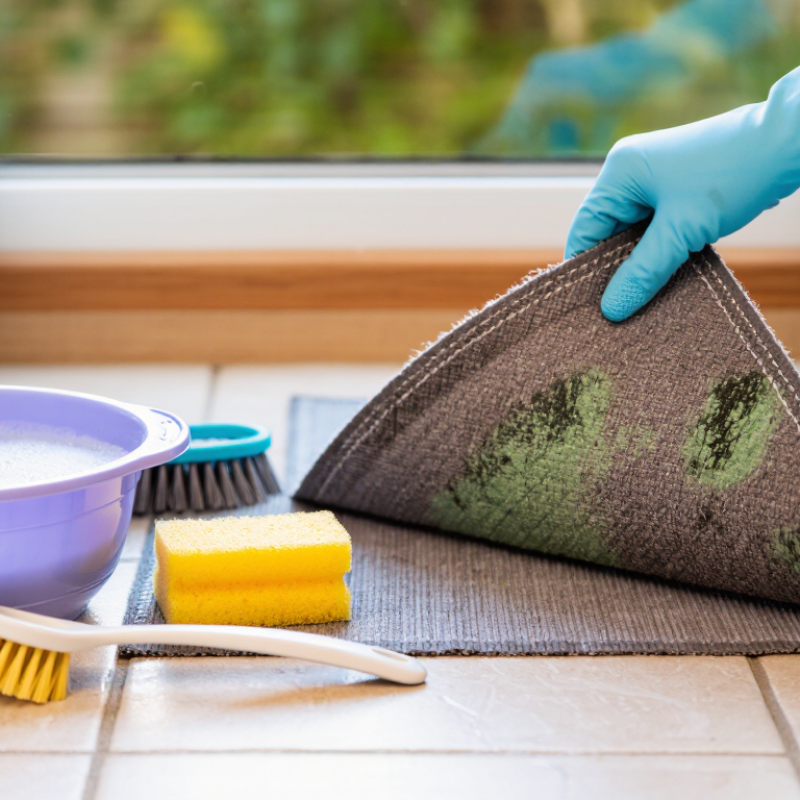
Cleaning and removing mold from your floor mat isn’t just about scrubbing off the visible spots. Mold can hide in the tiniest places—under the rubber backing, deep inside the fabric fibers, or along the stitched edges. Sometimes, even after it looks clean, that musty smell sticks around. This guide’s got your back, walking you through how to inspect, clean, dry, and evaluate a contaminated mat with some practical tips. Though it mainly focuses on household mats, car mats, and entryway runners, keep in mind that different materials will need different approaches.
First things first, make sure you're working in fresh air. Wear gloves, and try not to shake the mat indoors—that just spreads mold spores everywhere. Keep kids and pets away too, just to be safe. Before splashing any cleaner, check the care label. And always do a quick patch test on a hidden spot first, to see how the material reacts. If it’s a washable surface, a mix of mild detergent and warm water might do the trick. But for porous foam or more delicate fabrics, mold can sink deep and be tougher to fight.
Oh, and a super important tip—never, ever mix cleaning products. Combining bleach and ammonia can produce dangerous fumes you definitely don’t want to breathe in.
Don’t settle for just a quick wipe. Mold tends to come back if moisture lingers. So, rinse the mat carefully, remove as much water as you can, and then dry both sides completely—ideally in a sunny, well-ventilated spot. Relying solely on sunlight or a fragrance spray isn’t enough, since the smell can temporarily go away while dampness is still hiding there. Honestly, some heavily mold-infested mats might just be beyond saving and could be better off replaced. If you notice mold covering a large area, keep recurring, or if it’s messing with your breathing, it’s a smart idea to get advice from a mold remediation professional. Also, always check manufacturer instructions and local waste disposal guidelines. Being cautious and practical is the way to go, and it just makes sense—trust me, you’ll feel more confident about what you’re doing.
Identifying Mold on a Floor Mat and Assessing the Risk
How to Remove Floor Mat Mold Safely?
Identifying mold on a floor mat starts with careful observation. Look for black, green, white, or orange patches, especially along stitched edges. Mold may appear fuzzy, powdery, or like small dark specks. A musty smell is another warning sign. Check the underside too. Moisture often stays trapped against the floor, where mold grows unnoticed. I once found a thin gray film beneath a mat that looked clean from above. It was easy to miss.
Assess the risk before moving the mat. Small, isolated spots on a washable mat may be manageable with suitable cleaning and drying. Large growth, deep staining, or repeated odors suggests contamination inside the fibers. People with asthma, allergies, or weakened immunity should avoid handling it. Keep children and pets away. Do not shake the mat indoors. That can spread spores across nearby surfaces. A Mold Box, used as a controlled sampling container, may help document suspected growth, but it cannot replace professional assessment.
Wear gloves and a well-fitting mask when inspecting a questionable mat. Open windows if practical, and place the mat in a sealed bag before carrying it outside. Never mix cleaning chemicals. I have learned that rushing this step creates more problems than mold itself. Some mats cannot be fully cleaned because their backing absorbs moisture. If the material crumbles, smells strongly after drying, or covers a broad area, replacement may be safer. Photograph the affected sections first. This record can help explain the condition to a qualified cleaner or indoor air professional.
Preparing Protective Equipment and a Safe Cleaning Area
Before touching a moldy floor mat, prepare the room and your protective equipment. Wear disposable gloves, sealed goggles, long sleeves, and a properly fitted respirator suitable for mold particles. A basic dust mask may not provide enough protection. Keep children, pets, and people with allergies away from the cleaning area. Open windows and doors when outdoor conditions allow. Use a fan to move air outward, not across the room.
Choose a hard, washable surface, such as a concrete floor or tiled area. Cover nearby objects with plastic sheeting, then secure the edges with tape. Do not clean the mat beside bedding, clothing, or food. Mold can spread through damp fibers and released debris. Box Mold may look contained, but hidden growth can remain underneath the mat. Avoid shaking, beating, or dry-brushing it. Lightly misting the surface can reduce airborne particles, although excessive moisture creates another problem. That balance is easy to miss.
Place a sealed waste bag within reach before cleaning begins. Keep fresh water, cleaning tools, and spare gloves nearby. Never mix cleaning chemicals. A small mistake can produce dangerous fumes. If the mat covers a large area, smells strongly musty, or remains visibly contaminated after cleaning, stop and seek qualified remediation advice. Even careful preparation is not perfect. Inspect the area again after it dries.
Removing the Floor Mat Without Spreading Mold Spores
How to Remove Floor Mat Mold Safely?
Removing a moldy floor mat requires more care than simply pulling it outside. Put on disposable gloves, eye protection, and a well-fitting respirator rated for mold particles. Open nearby windows, but avoid using a fan that blows air across the contaminated area. Keep children, pets, and anyone with asthma away from the room.
Do not shake, beat, or vacuum the mat indoors. Those actions can spread spores onto furniture, clothing, and vents. Lightly mist the surface with water if it is dusty, but do not soak it. A wet mat can become heavier and harder to control. Clear a short path to the exit, then roll the mat inward with the moldy side enclosed. Move slowly. Place it directly into a thick plastic bag, seal it, and wipe the surrounding floor with disposable towels and detergent.
I learned the hard way that rushing this step creates more cleaning work. The first time, I dragged the mat, leaving dark flakes along the doorway. That mistake was avoidable. Check the floor underneath, especially along damp edges and seams. Clean hard surfaces with detergent, then dry them completely. Porous mats with extensive growth, a strong musty odor, or damaged backing often cannot be reliably restored. If the mat is large, heavily contaminated, or located near an air system, contact a qualified mold-remediation professional instead of attempting removal alone.
Cleaning and Disinfecting the Mat With Suitable Products
How to Remove Floor Mat Mold Safely?
Move the moldy mat outdoors, if possible, and keep children and pets away. Wear gloves, eye protection, and a well-fitted mask. Work outdoors.
Shake the mat gently, then vacuum loose spores with a machine designed for fine particles. Avoid aggressive brushing indoors. Check the care label before applying any cleaner. Test a small hidden area for color bleeding or fiber damage. Use warm water and a mild detergent to remove dirt and organic residue. Scrub lightly with a soft brush, especially along the backing and stitched edges. Rinse without soaking the floor beneath you. Excess moisture can create another problem.
Apply a material-compatible disinfectant according to its label. Respect the stated contact time; wiping it away too quickly may reduce effectiveness. Never mix disinfectants, bleach, ammonia, or acidic cleaners. Ventilate the area well.
I would not rely on a strong smell as proof of cleanliness. Odor can remain after mold is gone, while hidden growth may remain after the smell fades.
Let the mat dry completely on both sides in moving air and indirect sunlight. Do not reinstall it while the backing feels cool or damp. If mold has penetrated deep into porous foam, or returns after cleaning, replacement may be safer. Disinfecting alone is not magic. Inspect the vehicle floor, fix leaks, and keep future moisture below control.
Rinsing, Drying, and Inspecting the Floor Mat Thoroughly
How to Remove Floor Mat Mold Safely?
Start by moving the floor mat outdoors, if weather and space permit. Wear gloves, eye protection, and a well-fitting mask. Do not shake the mat indoors. A common mistake is scrubbing before rinsing, which can spread spores through the room. The U.S. Environmental Protection Agency recommends drying wet materials within 24–48 hours to limit mold growth. Remove loose dirt with a gentle brush, then rinse both sides using clean, cool water. Avoid mixing bleach with other cleaners. That mistake can create dangerous fumes.
Inspect the mat closely after rinsing. Check the backing, stitched edges, grooves, and underside for stains, lifting, or a musty smell. Do not assume every dark, cap-like mark is “Cap Mold.” It may be embedded growth, trapped soil, or damaged rubber. The Institute of Inspection Cleaning and Restoration Certification’s S520 standard emphasizes evaluating porous materials before choosing remediation methods. If the backing remains soft or visibly contaminated, replacement may be safer than repeated washing.
Dry the mat completely on a raised surface, allowing air beneath it. Rotate it several times, and press clean towels into thick areas. Never return a damp mat to a sealed vehicle or room. EPA guidance recommends indoor relative humidity between 30% and 50%, so monitor the nearby space with a hygrometer. The CDC notes that damp, moldy environments can aggravate respiratory symptoms in sensitive people. Reinspect after 24 hours. Honestly, one inspection may not be enough. Any returning odor deserves attention.
How to Remove Floor Mat Mold Safely? — Rinsing, Drying, and Inspecting Thoroughly
Follow the steps in order: isolate the moldy mat, rinse loose contamination away from living areas, wash it with detergent and water, then dry it completely before inspecting both sides and the backing. Wear gloves, improve ventilation, and never mix bleach with ammonia or other cleaners. Porous mats with deeply embedded mold may need to be discarded.
Treating the Floor Beneath the Mat and Preventing Mold Regrowth
How to Remove Floor Mat Mold Safely?
Lift the mat outdoors, if possible, and avoid shaking it indoors. Spores can spread across nearby flooring and fabrics. Wear gloves, eye protection, and a well-fitting respirator. Do not mix cleaning chemicals. Check the floor beneath the mat for dark staining, soft wood, or a musty odor. Remove standing moisture with disposable towels, then clean the surface with detergent and water. EPA guidance recommends drying wet materials within 24–48 hours to limit mold growth. That window matters. I once underestimated a small damp patch, and the odor returned after cleaning.
Dry the floor completely using ventilation, a fan, or a dehumidifier. Do not cover it until the subfloor feels dry and clean. The CDC advises keeping indoor humidity at 50% or lower. ASHRAE guidance generally supports indoor relative humidity between 30% and 60%. Use a hygrometer near the mat, not across the room. Replace heavily contaminated porous mats, because washing may not remove embedded growth. Inspect the floor weekly for raised edges, condensation, or new spots. A Mold Chair, wet shoes, or nearby fabric can keep moisture trapped around the same area. Place a washable barrier beneath the replacement mat, and leave space for air movement. The plan is simple, but maintenance is often missed.
How to Choose a Reliable China Storage Basket Mold Factory for Durable Molding Solutions
Choosing a reliable China storage basket mold factory is essential for producing durable, practical, and visually appealing household products. Start by evaluating the factory’s experience in plastic injection molding, engineering capabilities, production equipment, and quality control procedures. A dependable supplier should be able to provide detailed mold designs, suitable material recommendations, accurate dimensional control, and prototypes for testing before mass production. Clear communication, transparent quotations, and consistent delivery schedules are also important indicators of professional service.
When selecting a factory, pay close attention to mold steel quality, cavity design, cooling systems, surface finishing, and maintenance support. These factors directly influence the strength, appearance, and service life of storage baskets. Experienced manufacturers can develop solutions for stackable baskets, ventilated containers, laundry organizers, kitchen storage products, and other essential household items. They may also offer customization options such as different sizes, textures, colors, handles, and packaging requirements, helping customers create products that meet specific market needs.
Trusted China suppliers and factories can provide a broad range of carefully manufactured goods, combining reliable performance with competitive value. By reviewing production samples, inspection standards, material certifications, and customer service capabilities, buyers can identify a factory capable of maintaining stable quality throughout large orders. A strong manufacturing partner supports efficient development, precise molding, and dependable household products designed for everyday use.
FAQS
Wear disposable gloves, sealed goggles, long sleeves, and a properly fitted respirator for mold particles.
Choose a hard, washable surface, such as tile or concrete.
Keep children, pets, and people with allergies or asthma outside the room.
Open windows and doors when outdoor conditions allow.
No. Shaking, beating, or indoor vacuuming can spread particles onto furniture, clothing, and vents.
Clear a short path to the exit before moving the mat.
Inspect the floor underneath, especially damp edges and seams.
Seek qualified advice when the mat is large, heavily contaminated, or near an air system.
Dragging the mat can leave dark flakes along doorways and spread contamination.
Conclusion
Removing Floor Mat Mold safely begins with identifying the affected areas and judging the level of contamination. Wear gloves, protective eyewear, and a suitable mask, then move the mat carefully to a well-ventilated cleaning area to avoid spreading spores indoors. Do not shake, brush, or vacuum the mat while it is dry. Instead, use a suitable cleaning and disinfecting solution that matches the mat’s material, applying it gently and allowing enough contact time to loosen mold and odors.
After cleaning, rinse the mat thoroughly to remove residue, then dry it completely in a clean, well-ventilated place. Inspect both sides for remaining stains, dampness, or musty smells before returning it. The floor beneath the mat should also be cleaned and dried, since trapped moisture may cause Floor Mat Mold to return. To prevent regrowth, keep the area dry, improve airflow, clean spills promptly, and avoid placing the mat back until both the mat and floor are fully dry.