Dealing with mold growing on beer storage crates is pretty much a headache for breweries. So many folks in the industry—something like nearly 30%—have run into mold problems in their storage areas. Not good, especially since it can mess with the quality and safety of the beer. You can check out more about this [Beer Storage Crate Mold](https://www.xintongmold.com/beer-storage-crate-mold) if you're curious. Mold tends to spread quickly in damp, poorly ventilated spots, which is super common in some storage setups.
That’s why breweries really need to pay attention to how they store their beer. Using airtight containers helps keep the moisture down, which is a big deal. Also, sticking to regular cleaning and sanitizing routines can make a huge difference. Experts suggest keeping humidity below 60%—it’s such a simple step, but it can seriously cut down mold risks.
Unfortunately, not all breweries are on top of this stuff. Some just don’t realize how important it is to keep an eye on storage conditions, and that can lead to bigger problems later on. Being aware of mold issues isn’t just about ticking boxes or avoiding fines—it’s about making sure your beer stays top-notch. Ignore these little details and even the most established brewery can end up damaging its reputation—and nobody wants that.
Understanding Mold and Its Impact on Beer Storage Crates
Mold thrives in warm, damp environments, making it a significant threat to beer storage crates. To understand its impact, consider the conditions that foster mold growth. Humidity levels above 60% and organic materials can create an ideal breeding ground. Mold can compromise the integrity of the crates and ultimately affect the quality of the beer housed within. It's crucial to identify types of mold that could emerge, as some can alter the taste or aroma of the beer.
Proper sanitation plays a vital role in preventing mold. Regularly cleaning storage areas minimizes the risk. Consider using unscented bleach solutions or food-safe sanitizers. Drying crates thoroughly after any cleaning is essential. Forgetting this step can lead to lingering moisture, which invites mold. Ventilation is also key. Ensure your storage area has sufficient airflow to keep humidity at bay.
Even with strict protocols, occasional mold appearance may occur. Being aware of this can help you react quickly. Inspecting crates regularly allows for early detection. If mold is found, addressing it promptly ensures it doesn't spread. While perfection may not be achievable, striving for a mold-free environment is essential. This vigilance protects both the crates and the quality of your beer.
Identifying Common Causes of Mold Growth in Breweries
Mold growth is a significant concern in breweries, particularly in beer storage crates. The atmosphere in a brewery is ideal for mold, which thrives in damp conditions. Identifying the common causes of mold growth can help brewers tackle this issue effectively.
One common cause is poor ventilation. If air cannot circulate properly, humidity can build up. This creates a perfect environment for mold to settle in Beer Plastic Crate Mould. Maintaining proper airflow is essential to minimize moisture. Regularly check ventilation systems and ensure they function efficiently.
Another factor to consider is cleaning practices. Inadequate cleaning can leave residues that promote mold. Regularly sanitize equipment and storage areas to reduce buildup. Use mold-resistant solutions where necessary.
Be aware that even minimal mold presence can affect beer quality. Take steps to prevent it before it becomes a problem.
Best Practices for Cleaning and Sanitizing Beer Storage Crates
Proper cleaning and sanitizing of beer storage crates is essential for maintaining quality in your brewery. A study by the Brewers Association indicates that up to 20% of production issues stem from contamination sources, including improperly sanitized equipment. Ensuring your beer storage crates are free from mold means understanding the right procedures. The ideal materials for crates, like high-density polyethylene, are easier to clean and less likely to harbor spores compared to wood.
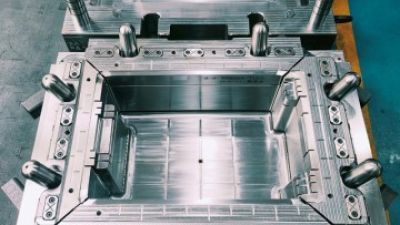
Regularly inspect your Beer Crate Plastic Injection Mould for any signs of wear or damage. Even minor cracks can trap bacteria and mold. Cleaning routines should include hot water and appropriate detergents, followed by thorough rinsing. In addition, you may need to use specialized sanitizing agents to eliminate any remaining microbial life. Remember that simply rinsing is not enough; proper sanitization requires a complete understanding of contact time and solution concentration, as highlighted by industry guidelines.
Monitoring humidity levels in your storage area is also important. Mold thrives in damp environments, which can be a hidden factor in your storage conditions. Use dehumidifiers or air conditioning units to control moisture levels. Regular training for staff on sanitation best practices can help instill a culture of cleanliness. Effective training programs reportedly reduce contamination incidents by 30%. By recognizing these factors, you can significantly reduce the risk of mold in your beer storage crates.
How to Prevent Beer Storage Crate Mold in Your Brewery? - Best Practices for Cleaning and Sanitizing Beer Storage Crates
| Best Practice | Description | Frequency | Tools Required |
| Routine Cleaning | Clean the crates with hot water and a mild detergent after each use. | After every use | Hot water, mild detergent, scrub brushes |
| Sanitization | Use a sodium metabisulfite solution to sanitize the crates. | Weekly | Sanitizing solution, mixing container |
| Drying | Ensure crates are completely dried before storage to reduce moisture. | After cleaning | Clean drying area, drying racks |
| Storage Conditions | Store crates in a cool, dry area with good airflow. | Continuous | None |
| Inspection | Regularly inspect crates for signs of mold or damage. | Monthly | Inspection checklist |
Optimal Storage Conditions to Prevent Mold in Your Brewery
When storing beer crates in a brewery, maintaining optimal conditions is crucial to prevent mold growth. Mold thrives in warm, humid environments. Keeping your storage area cool and well-ventilated is essential. The ideal temperature for beer storage is between 45°F to 55°F. Regularly monitor the humidity levels as well. Aim for a relative humidity between 40% and 60% to ensure that crates remain dry.
Tips: Ensure that the storage area has proper air circulation. Achieving adequate airflow can significantly lower moisture levels. Regularly clean the storage space, removing any spills or debris that may attract mold.
Additionally, consider the material of your storage crates. Wood can absorb moisture, increasing the risk of mold. Opting for plastic or metal crates may provide a more mold-resistant option. Be sure to inspect crates regularly. Look for signs of mold or moisture buildup. Taking proactive measures can save you time and resources in the long run.
Using Natural Antimicrobial Agents to Combat Mold
Mold growth in beer storage crates can be a significant issue for breweries. It's essential to employ effective strategies to mitigate this risk. One promising approach is the use of natural antimicrobial agents. Research shows that certain plant extracts possess antimicrobial properties that can inhibit mold growth. For example, thyme and oregano extracts have been known to reduce mold presence by up to 80% in controlled settings.
Integrating these natural agents into cleaning protocols could offer a sustainable solution. Microbial contamination often comes from moisture and organic matter within the storage environment. By applying these extracts regularly, breweries can enhance their defenses against Storage Box Mold. It's crucial to assess the effectiveness of different natural agents carefully. Some may work better in specific conditions or against particular mold species.
Despite the available solutions, challenges remain. Not every brewery may have easy access to these natural agents. Furthermore, maintaining consistent application might prove difficult. Regular inspections and environmental monitoring should accompany the use of antimicrobial agents. Investing in training staff on mold prevention strategies also enhances overall effectiveness. This combination of methods can prove pivotal in combating mold in brewery storage practices.
How to Prevent Beer Storage Crate Mold in Your Brewery
Regular Inspection and Maintenance Schedules for Storage Crates
Regular inspections of storage crates are vital in preventing mold growth in your brewery. Routine checks should include assessment of moisture levels and signs of mold. If the environment is too humid, mold can thrive quickly. Tracking humidity using hygrometers can provide valuable insights. Regular cleaning of storage crates is equally important to eliminate dirt and debris where mold can establish itself.
Establishing a maintenance schedule is key. You might start with weekly examinations in high-risk seasons. Label crates with dates of inspection for accountability. Don't overlook the small details, such as ensuring adequate ventilation. Proper airflow helps reduce moisture buildup. If you notice any signs of mold, address them immediately to prevent further contamination.
Consider that issues may arise despite your best efforts. Even the most diligent inspections can miss spots. Continuous learning from these experiences is essential. Sharing findings with your team will foster a collective effort to combat challenges. Remember, a proactive approach in managing your Glass Bottle Storage Box Mold can save significant time and resources.
Employee Training on Mold Prevention Strategies in Brewing Facilities
Employee training is crucial for preventing beer storage crate mold in breweries. Mold thrives in humid environments. According to a study from the Brewers Association, improper storage of crates can increase contamination risk by up to 30%. Educating employees on mold prevention can significantly reduce this threat.
Regular workshops on mold identification are essential. Employees should learn what mold looks like and understand its conditions for growth. Training should also include best practices for crate handling. Cleanliness is key. Always maintain a clean storage area. Remind staff to frequently inspect crates for moisture and debris.
Implementing a mold prevention checklist can be beneficial. For example, encourage staff to use dehumidifiers in storage rooms. Keep air circulation optimal. Good airflow can drastically reduce humidity levels. Also, promote a culture of reporting mold concerns without fear. Regular communication fosters an open environment for addressing issues.
These measures require continuous effort and feedback. Encourage employees to discuss challenges they face. This approach not only strengthens their knowledge but also promotes a proactive mindset. With proper training, breweries can combat mold effectively.
Enhancing Industrial Efficiency: Insights from Recent Market Reports on Premium Heavy-Duty Crate Moulds in Packaging Solutions
The market for premium heavy-duty Crate Moulds is evolving rapidly, driven by the increasing need for efficient packaging solutions across various industries. Recent market reports highlight the significance of high-performance production capabilities, essential for logistics, warehousing, agriculture, and export sectors. These moulds are engineered with precision and durability in mind, ensuring that companies can depend on their consistent quality for manufacturing plastic crates that are stackable, reusable, and impact-resistant.
Utilizing advanced injection moulding technology, these crate moulds are designed to meet the rigorous demands of diverse industrial applications. With a focus on enhancing industrial efficiency, manufacturers are now able to achieve higher output rates without compromising on quality. This technological advancement not only streamlines the production process but also reduces waste, making it an environmentally friendly choice for businesses seeking sustainable packaging solutions. The reliability and performance of these products are key factors driving their adoption in the competitive market landscape.
FAQS
: Warm, damp environments with humidity above 60% create ideal conditions for mold.
Regular cleaning minimizes mold risk. Use unscented bleach solutions and dry crates thoroughly after cleaning.
Proper airflow helps reduce humidity. Ensure your storage area has sufficient ventilation for mold control.
Inspecting crates regularly allows for quick reactions, preventing mold from spreading and affecting beer quality.
Inadequate cleaning leaves residues that promote mold growth. Regular sanitizing is necessary to combat this.
Use hot water, suitable detergents, and specialized sanitizers. Rinse thoroughly and understand contact times for effectiveness.
Controlling moisture using dehumidifiers reduces mold's suitable environment. This keeps the storage area safer.
Yes, even minimal mold can alter the taste and aroma of the beer. Preventing mold is crucial for quality.
Address it promptly to prevent spreading. Quick action helps maintain both crate integrity and beer quality.
Regular training on sanitation can reduce contamination incidents by instilling a culture of cleanliness among staff.
Conclusion
To effectively prevent Beer Storage Crate Mold in your brewery, it is crucial to understand the nature of mold and its potential effects on beer quality and safety. Common causes of mold growth include inadequate cleaning, moisture, and poor ventilation. Implementing best practices for cleaning and sanitizing the crates can significantly reduce mold risks. Additionally, maintaining optimal storage conditions—such as controlling humidity and temperature—plays a vital role in combating mold.
Employing natural antimicrobial agents can further enhance mold prevention efforts. Establishing a regular inspection and maintenance schedule for storage crates ensures early detection of mold issues, while training employees on mold prevention strategies instills a culture of awareness and responsibility. By prioritizing these practices, breweries can safeguard their products from Beer Storage Crate Mold, ensuring the highest quality for consumers.