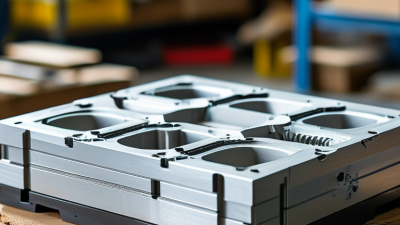
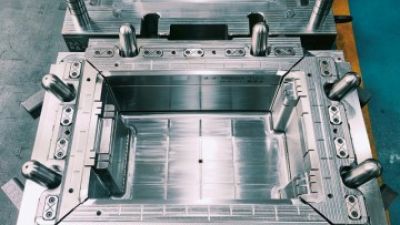
If you’re in manufacturing or construction, investing in Mould Bucketsis pretty much a no-brainer. These aren’t just simple containers — they’re actual assets that can make a big difference. A good-quality Mould Bucket not only boosts your efficiency but also keeps your work top-notch. Without reliable equipment like this, your entire process might hit a snag more often than you'd like.
Mould Buckets come in all sorts of sizes and materials — and picking the right one really matters. A sturdy, well-made Mould Bucket can stand up to heavy use, which means you’ll save in the long run because you won’t be replacing them constantly. Unfortunately, many companies tend to overlook how important durability is and go for cheaper options that could fail under pressure.
Choosing the right Mould Bucket can really level up your productivity. But let’s be honest, the market’s pretty crowded with options, and it’s not always obvious which one suits your needs best. That’s why taking some time to do your homework and understand your options is so important. Think long-term benefits before you buy — it says a lot about how committed you are to quality and efficiency in your work.
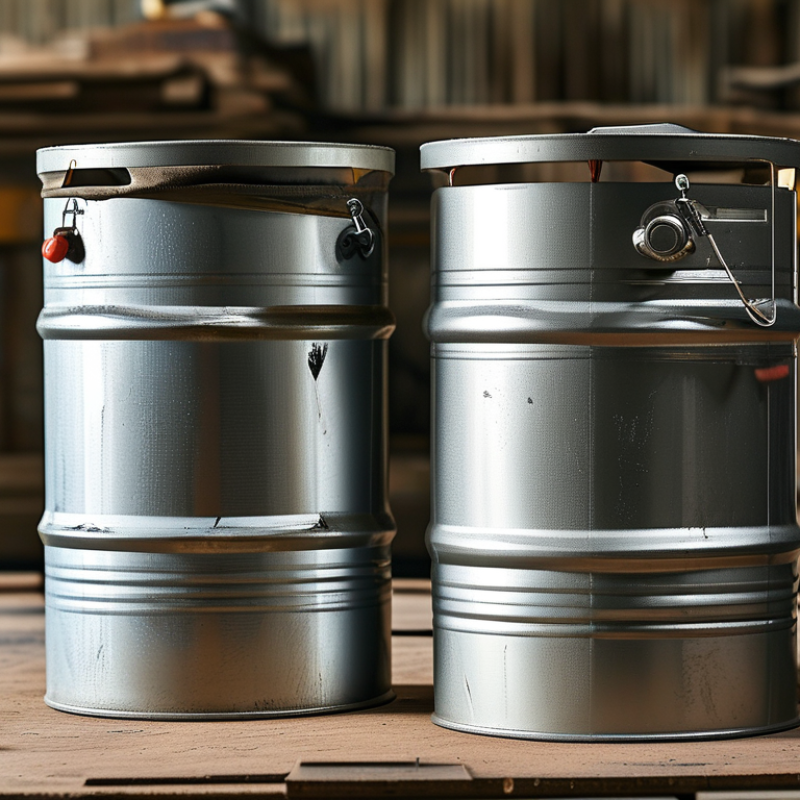
Benefits of Investing in Mould Buckets for Your Business
Investing in mould buckets can significantly enhance operational efficiency in various industries. These essential tools ensure that your production line operates smoothly. According to industry reports, businesses utilizing quality mould buckets have reported a 15% decrease in production downtime. This improvement stems from better organization and reduced material waste.
Mould buckets offer versatility in material handling. They can be used for transporting different types of materials, making them invaluable in manufacturing settings. Many industry experts advocate for their use, noting that companies can save up to 20% on labor costs by streamlining processes with effective equipment. This type of investment promotes a safer working environment, reducing the risk of accidents and injuries.
However, one must consider the initial expenditure when investing in mould buckets. While these tools can lead to long-term savings, the upfront costs can be daunting. Companies should analyze their specific needs and usage patterns to ensure the investment aligns with overall goals. Effective planning is key to reaping the benefits of mould buckets, ensuring they serve as a true asset in the production process.
Understanding the Different Types of Mould Buckets Available
Mould buckets are essential tools for businesses in various industries. They come in different types, and understanding these options is crucial. There are standard mould buckets, which are versatile and widely used. Then, specialized varieties cater to unique business needs, such as heavy-duty buckets designed for construction sites or food-safe buckets tailored for the food industry. Each type serves a specific purpose, so choosing wisely can enhance efficiency.
Selecting the right mould bucket can improve your workflow. Consider the material; plastic options are lightweight but may not endure heavy use. Metal buckets offer durability for tough jobs. Evaluate the size based on your storage needs. A larger bucket may seem practical, but space limitations could be an issue.
Pay attention to additional features, such as lids or handles. A lid can prevent spills, while ergonomic handles make transportation easier. Reflect on how each feature aligns with your daily tasks. This reflection can help avoid unnecessary costs and ensure the best fit for your operations. Mould buckets might seem straightforward, but choosing the right one requires careful thought.
Why Should You Invest in Mould Buckets for Your Business? - Understanding the Different Types of Mould Buckets Available
| Type of Mould Bucket | Material | Capacity (Litres) | Applications | Cost ($) |
| Standard Mould Bucket | Plastic | 20 | General Casting | 25 |
| Heavy-Duty Mould Bucket | Steel | 50 | Industrial Use | 75 |
| Flexible Mould Bucket | Silicone | 15 | Custom Mould Design | 35 |
| Non-Stick Mould Bucket | Aluminum | 30 | Bakery & Confectionery | 50 |
| Eco-Friendly Mould Bucket | Biodegradable Plastic | 25 | Sustainable Practices | 40 |
How Mould Buckets Enhance Efficiency in Production Processes
Investing in mould buckets can significantly improve production efficiency. These tools are designed to streamline the manufacturing process. For businesses focusing on plastic products, a well-made Paint Bucket Mould can reduce waste and ensure consistency. The accuracy in moulding translates to fewer defects and a more reliable output.
Additionally, using mould buckets helps in organizing the production line. By incorporating a Paint Bucket Mould, companies can easily manage their materials and processes. This leads to faster turnaround times. Workers can focus on their tasks without unnecessary interruptions.
However, it’s crucial to regularly maintain these moulds to avoid wear and tear, which could hamper their efficiency. Moreover, many businesses overlook the long-term benefits of investing in high-quality mould buckets. Taking the time to choose the right Paint Bucket Mould can pay off significantly. The initial cost may seem high, but the savings in reduced wastage and increased production speed justify this expense. While some may opt for cheaper alternatives, these often lead to more significant problems down the line.
Cost-Effectiveness of Mould Buckets for Long-Term Use
Investing in mould buckets can be a smart move for businesses seeking long-term savings. These containers are essential for many industries, from construction to manufacturing. Their sturdy design ensures durability, which reduces replacement costs. Businesses can save money over time by using mould buckets designed to withstand harsh conditions.
The cost-effectiveness of mould buckets is clear when considering their lifespan. A high-quality mould bucket can last for years with proper maintenance. This reliability is crucial for businesses that rely on consistent operations. However, it's important to note that cheap alternatives may lead to increased costs down the line. Poor performance could disrupt workflow and lead to financial losses.
Choosing the right mould buckets involves assessing your specific needs. Not every bucket is suitable for every job. Some businesses may find that certain features, like insulation or stacking capabilities, enhance efficiency. Take time to analyze your requirements and the potential return on investment. Thoughtful decisions today can prevent costly mistakes in the future.
Factors to Consider When Choosing Mould Buckets
When selecting mould buckets for your business, several factors should be taken into account. First, consider the material of the buckets. They should be durable yet lightweight for easy handling. Plastic buckets may be suitable for low-weight materials, while metal options can handle heavy loads. The choice of material impacts the longevity of the buckets in a demanding work environment.
Another crucial factor is the size of the bucket. Different applications and materials require specific sizes. A larger bucket holds more material, reducing the frequency of refilling. However, ensure that the size is manageable for your team. Bulkier buckets may lead to inefficiencies. The perfect balance is essential.
Tip: Always opt for a Bucket Handle Mould that allows for easy attachment. Handles should be sturdy but flexible enough for a secure grip. This small detail can significantly affect the overall usability and safety of the buckets.
Lastly, think about the design. Some mould buckets come with additional features, such as built-in measurement scales or spouts for pouring. These features can enhance efficiency and minimize errors during use. Adjusting to your team's specific needs is essential for optimal performance.
Best Practices for Maintaining and Storing Mould Buckets
Maintaining and storing mould buckets effectively is crucial for any business using them. According to industry studies, improper care can lead to degradation, impacting production quality. Regular inspections of Bucket Mould Plastic are necessary. Check for cracks and corrosion. These small issues can escalate into larger, costlier problems if ignored.
Cleaning mould buckets should be a routine task. Use mild detergents and avoid harsh chemicals that may erode the material. A well-preserved mould bucket can enhance product quality and longevity. Research shows that businesses that adhere to proper maintenance protocols reduce operational costs by up to 30%. This can be achieved by ensuring that Bucket Mould Plastic is stored in a cool, dry environment. Exposure to extreme temperatures can warp the plastic, leading to inefficiencies.
Storage practices also merit attention. Avoid stacking mould buckets carelessly, as this can lead to deformation. Instead, store them vertically or use shelving designed for such purposes. This approach not only preserves the integrity of the mould but also optimizes space. As you implement these practices, reflect on your current methods and make adjustments. Continuous improvement is vital for sustained success.
Case Studies: Successful Implementation of Mould Buckets in Industries
Mould buckets have transformed various industries by enhancing production efficiency. In the construction sector, companies invested in mould buckets to streamline their concrete processes. For example, a mid-sized construction firm reduced waste significantly. By using mould buckets, they could ensure precise measurements and consistent quality. This led to faster project completions and increased client satisfaction.
In the food industry, a notable case involved a bakery that optimized its production line with mould buckets. They implemented these buckets to handle bulk ingredients more effectively. The result? A notable reduction in ingredient spillage and improved hygiene. This allowed the bakery to scale up its production without compromising on quality. It also freed employees to focus on more intricate tasks, raising overall productivity.
Choosing the right mould bucket is crucial. Business owners should consider the materials and sizes that suit their operations. It's essential to assess the workflow. Investing time in understanding the job can prevent costly mistakes. Regularly reviewing the effectiveness of your mould buckets can also yield insights for improvement. Always be ready to adjust your strategy based on practical experiences.
Impact of Mould Buckets in Various Industries
This chart illustrates the impact of investing in mould buckets across different industries, showcasing the percentage of efficiency improvement. Industries like Pharmaceuticals and Electronics demonstrate significant gains from this investment.
Innovative Industrial Packaging Solutions: The Benefits of Premium Heavy-Duty Crate Moulds
In the modern logistics and warehousing landscape, the efficiency of packaging solutions plays a crucial role in the overall productivity of businesses. Innovative industrial packaging solutions, notably premium heavy-duty Crate Moulds, have emerged as vital assets for various sectors, including agriculture and export industries. According to industry reports, the global plastic crate market is projected to reach USD 5.2 billion by 2025, highlighting the growing importance of efficient packaging.
Our premium crate moulds are engineered to deliver precision and durability, ensuring high-performance production of plastic crates that can withstand the rigors of industrial use. Utilizing advanced injection moulding technology, these moulds facilitate the consistent output of stackable, reusable, and impact-resistant crates. Not only do these crates optimize storage capabilities, but they also contribute to reducing logistical costs, crucial for maintaining competitiveness in today’s fast-paced market.
The benefits of investing in heavy-duty crate moulds extend beyond mere durability. Studies suggest that adopting high-quality moulds can improve production efficiency by approximately 30%, leading to faster turnaround times and increased profitability. Consequently, businesses can enhance their logistics operations while addressing sustainability concerns through the use of reusable packaging solutions.
FAQS
: Mould buckets streamline manufacturing processes and enhance production efficiency. They are essential for many industries.
Mould buckets reduce waste and ensure consistency. They help organize the production line effectively.
Regular maintenance prevents wear and tear. Neglect can lead to reduced efficiency and increased downtime.
Yes, high-quality mould buckets reduce replacement costs and save money over time.
Assess your specific needs and features that enhance efficiency. One type may not fit every application.
Cheaper options may lead to increased costs due to poor performance and workflow disruptions.
A high-quality mould bucket lasts for years, providing reliable operations and reducing overall expenses.
Consider sturdiness, insulation, and stacking capabilities. Each feature can significantly affect operational efficiency.
Incorrect choices can lead to inefficiencies and costly mistakes. It's vital to make thoughtful decisions early.
Long-term savings and stability are often overlooked, but they greatly increase production reliability.
Conclusion
Investing in mould buckets can significantly benefit businesses across various industries. These specialized containers enhance production efficiency by ensuring that materials are organized and easily accessible, thus streamlining workflow processes. Different types of mould buckets are available, catering to a range of operational needs, which adds flexibility and adaptability to production environments. Moreover, their cost-effectiveness makes them a practical choice for long-term use, ultimately reducing operational costs.
When selecting mould buckets, businesses should consider factors such as material durability, size, and compatibility with existing systems. Adopting best practices for maintenance and storage is crucial for prolonging the lifespan of mould buckets. Numerous case studies highlight successful implementations, showcasing how these containers contribute to improved productivity and better resource management in various sectors. By investing in mould buckets, companies can optimize their operations and achieve sustainable growth.