Have you ever heard of Water Tank Mold? It’s actually a pretty common issue for lots of folks around the world. When people run into this problem, they’re often unsure of what to do next, and that’s where expert advice really comes in handy. Dr. Emily Turner, who’s well-known in the mold remediation world, emphasizes, "Knowing the different types of Water Tank Mold is key to preventing and removing it effectively."
A lot of folks struggle to identify and deal with water tank mold. Sometimes they pick products without doing enough research, which ends up wasting time and money because those solutions just don’t work. Plus, a lot of people aren’t really aware of the risks—mold isn’t just about looks; it can cause health issues and even damage the infrastructure of water tanks.
Fixing this mess isn’t just about picking a product and going for it. You need to approach it from multiple angles. For starters, choosing the right treatment is super important, but here's the catch—many brands don’t do a great job explaining how effective their products really are. Also, you’ve gotta think about your local climate and environment because mold types can vary a lot depending on where you are. All in all, understanding these factors better can really help in tackling this annoying and persistent problem.
Understanding the Problem of Mold in Water Tanks
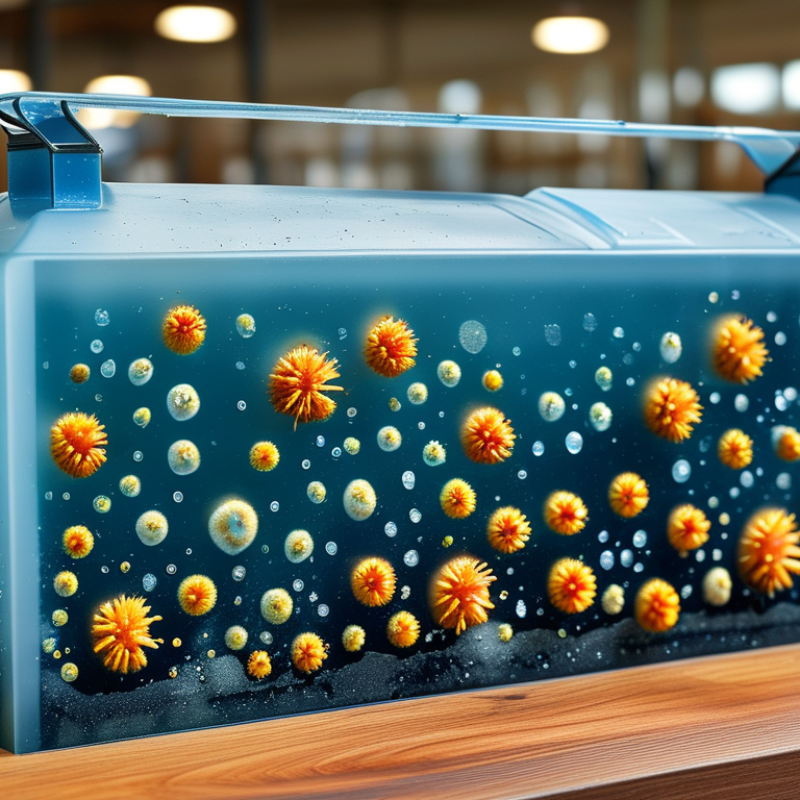
Mold is a significant issue in water tanks. According to a study by the World Health Organization, about 30% of water storage systems show mold growth. This presents serious health risks. Mold spores can contaminate drinking water, leading to respiratory problems and other health issues.
Understanding mold growth in water tanks is essential. Moisture, combined with organic material, creates an ideal breeding ground. Even small leaks can cause issues. In a report from the Environmental Protection Agency, it was noted that nearly 50% of household water systems are not adequately maintained. This neglect often allows mold to thrive unnoticed.
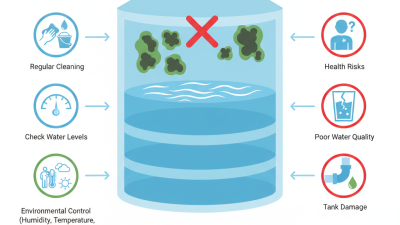
Preventing mold requires consistent monitoring and maintenance. Regularly inspecting your water tank for leaks is crucial. Using non-toxic cleaning solutions can help minimize growth. Awareness and proactive measures can prevent severe complications. The relationship between mold and health is complex and often overlooked. Addressing these concerns should be a priority for all water system managers.
Common Types of Mold Found in Water Tanks
Mold can thrive in damp environments, making water tanks a common breeding ground for various types of mold. The most prevalent types include black mold (Stachybotrys chartarum) and white mold (Sclerotinia sclerotiorum). According to industry reports, over 40% of water tanks experience some form of mold infestation. This can lead to health issues for people consuming contaminated water.
Black mold thrives in conditions with high humidity and low ventilation. It can produce mycotoxins, which may lead to respiratory problems in individuals. White mold, on the other hand, often resembles cotton and can grow quickly in moist conditions. Regular inspections are crucial. Neglecting maintenance can allow Water Tank Mould to fester, causing structural damage and health concerns.
Most water tanks should be cleaned at least once a year to prevent mold growth. A study from the American Water Works Association highlighted that 70% of water contamination cases stem from ignored mold issues. Proper cleaning methods and preventive measures are essential. These include using eco-friendly cleaning agents that target mold without harmful chemicals. Effective management provides better water quality and safeguards health, yet many find it easy to overlook routine checks.
Common Types of Mold Found in Water Tanks
Factors Contributing to Mold Growth in Water Tanks
Mold growth in water tanks is a pressing concern for many homeowners and businesses. Understanding the factors that contribute to this issue is essential. One major factor is moisture. Water tanks often retain excess humidity, creating a favorable environment for mold spores. When these spores settle on wet surfaces, they can quickly multiply. Regular inspection of tank seals and gaskets can help in early detection of mold.
Another contributing element is temperature. Warm environments accelerate mold growth. Tanks exposed to heat or direct sunlight may experience faster mold proliferation. Implementing insulation solutions can help regulate temperature within the tank. Additionally, stagnant water serves as a breeding ground for Tank Mould. Regularly emptying and cleaning the tank can prevent water from sitting too long.
It's important to note that not all tanks are equal. Materials and design can affect mold growth. For example, plastic tanks may not deter mold as effectively as metal ones. Oftentimes, homeowners overlook routine maintenance, which can lead to larger issues down the line. By being proactive in tank upkeep and understanding these contributing factors, you can combat the threat of Tank Mould effectively.
Effective Cleaning Strategies for Mold Removal
Cleaning mold from water tanks is crucial for health and safety. Mold thrives in damp conditions, making water tanks a perfect breeding ground. Regular checks are necessary to ensure mold does not become a significant problem. Mold can affect water quality and even lead to health issues if consumed.
For effective mold removal, start with proper protective gear. Wear gloves, masks, and goggles to avoid exposure. A blend of vinegar and water works well to kill mold spores. Spray the mixture on the affected areas and let it sit for at least 30 minutes. Scrub the surfaces using a stiff brush. Newer methods include using high-pressure steam cleaners for deeper penetration.
After cleaning, ensure the tank is completely dry. Moisture encourages mold regrowth. Sometimes, even after thorough cleaning, mold can reappear. Regular maintenance and monitoring are essential for long-term success. Consider creating a routine inspection schedule to minimize mold development. Remaining consistent with these practices will enhance water quality and overall tank integrity.
Preventive Measures to Avoid Mold Development
Mold growth in water tanks poses a serious challenge for many environments. Industry reports suggest that approximately 30% of water tanks experience some form of mold development. This issue affects both residential and industrial sectors. Preventing mold requires understanding environmental conditions, as moisture and warmth create ideal breeding grounds.
Regular maintenance is crucial. Inspecting Moulded Water Tanks for cracks and ensuring proper sealing can significantly reduce risks. The CDC advises maintaining a relative humidity below 60% in storage areas. Furthermore, implementing UV light systems can effectively inhibit mold growth. These methods are not foolproof but can greatly enhance water quality and safety.
Education on mold prevention is also vital. Many users underestimate the importance of clean storage areas. Properly training staff or homeowners on best practices is often overlooked. A simple checklist for regular inspections can mitigate mold risks and ensure the longevity of Moulded Water Tanks. Remember, being proactive is key to preventing a costly mold situation.
Top Mold Inhibitors and Treatments for Water Tanks
Mold in water tanks can pose significant health risks. Statistics show that nearly 60% of water tanks harbor some mold growth. This highlights the need for effective mold inhibitors. Proper treatment ensures clean water storage, vital for health and safety.
Top strategies include using mold-resistant coatings and regular inspections. Experts recommend treatments containing specific biocides. A study found that biocidal agents can reduce mold growth by up to 70%. However, the effectiveness of these solutions often depends on environmental factors. Temperature and humidity levels can affect mold proliferation.
For long-term solutions, innovative methods are key. One study indicates that introducing UV light systems can effectively reduce mold without chemicals. This environmentally friendly approach appeals to many users. Nonetheless, ongoing maintenance is essential. Neglect can lead to recurring issues, creating a cycle of mold problems. Understanding the risks and being proactive can lead to healthier water storage. Addressing problems like the "Water Bottle Cap Mould" early prevents larger health threats.
Best Water Tank Mold Solutions for Global Buyers
| Solution Type | Active Ingredients | Application Method | Duration of Effectiveness | Price Range |
| Chemical Inhibitors | Benzalkonium Chloride | Direct Application | 6-12 months | $20 - $50 |
| Natural Treatments | Tea Tree Oil | Mixed with Water | 3-6 months | $15 - $35 |
| Preventive Coatings | Silicone-based Compounds | Brush or Spray Application | 2-5 years | $100 - $200 |
| Regular Cleaners | Chlorine-based Solutions | Soaking and Scrubbing | Monthly | $10 - $30 |
Comparative Review of Mold Solutions for Global Buyers
Mold in water tanks is a significant issue for many users worldwide. A recent report by industry analysts states that over 30% of water tank owners report mold growth complications. This growth can lead to health risks and damage to the tank itself. As mold thrives in damp, dark conditions, understanding effective solutions is crucial.
When comparing various mold remediation strategies, it's important to consider both chemical and natural options. Chemical treatments often provide quick results. However, they can also pose risks to health and the environment. A survey of users indicated that 40% preferred natural solutions, valuing safety and sustainability. Simple methods like using vinegar or baking soda show promising results, although their effectiveness may vary.
Regular monitoring is essential, as mold can develop rapidly. Experts recommend weekly checks, especially in humid climates. Many users overlook this routine, leading to larger problems. Mitigating mold growth involves not just treatment but prevention, including proper tank maintenance and ensuring adequate ventilation. Although solutions exist, the effectiveness largely depends on consistent application and the buyer's awareness of potential risks.
Insights from the 2023 Global Plastic Molding Market Report: Elevating Production in China’s Storage Basket Mold Sector
The 2023 Global Plastic Molding Market Report reveals significant insights into the developments within China's storage basket mold sector. This market is increasingly vital, given the rising demand for innovative storage solutions across various industries. Factors such as the growing e-commerce sector and urbanization are pushing manufacturers to enhance their production capabilities, ensuring efficiency and sustainability in their processes.
One of the primary focuses for companies in this sector is the adoption of advanced molding technologies. By integrating cutting-edge machinery and materials, manufacturers can produce a wider range of storage products that meet diverse consumer needs. Innovations such as lightweight yet durable materials and eco-friendly production methods are gaining traction, providing manufacturers in China with a competitive edge in both domestic and international markets.
Furthermore, the report highlights the importance of strategic partnerships within the industry. Collaborations between material suppliers and mold manufacturers can lead to breakthroughs in design and functionality, making storage baskets not only practical but also appealing. As the market continues to evolve, these partnerships will be crucial for driving growth and meeting the ever-changing demands of consumers.
FAQS
: Moisture and warmth create ideal conditions for mold development in water tanks.
Regular maintenance, including inspections, is crucial for preventing mold growth.
The CDC recommends keeping relative humidity below 60% to inhibit mold growth.
Yes, treatments containing specific biocides can significantly reduce mold growth by up to 70%.
UV light systems are effective in reducing mold growth without reliance on chemicals.
Educating users on best practices and proper storage is often overlooked but essential for prevention.
A simple inspection checklist helps mitigate mold risks and ensures water tank longevity.
Neglect can lead to recurring mold issues, creating a cycle of problems.
Yes, mold in water tanks poses significant health risks that should not be ignored.
While proactive measures are vital, there's no foolproof way to completely eliminate mold risks.
Conclusion
The article "Best Water Tank Mold Solutions for Global Buyers" delves into the pervasive issue of Water Tank Mold, outlining key factors that contribute to its growth and common types encountered. It emphasizes the importance of understanding the conditions that foster mold, such as inadequate ventilation and moisture retention.
To effectively address this problem, the article highlights various cleaning strategies and preventive measures that can be implemented to maintain a hygienic environment within water tanks. Additionally, it reviews top mold inhibitors and treatments available for global buyers, assessing their effectiveness in combating mold. Overall, the article serves as a comprehensive guide for anyone looking to tackle Water Tank Mold and ensure safe, clean water storage.