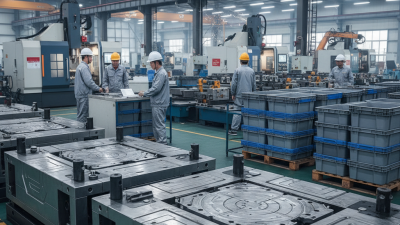
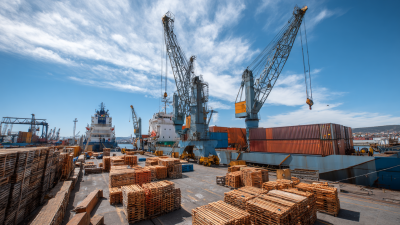
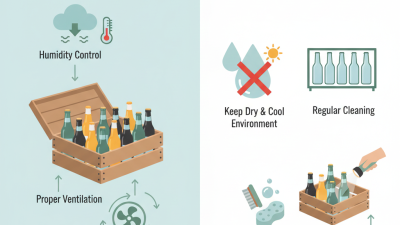
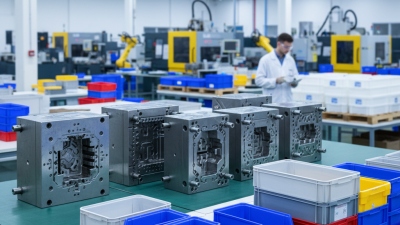
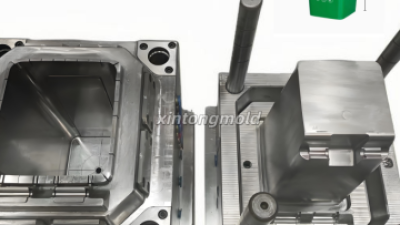
You know how everyone’s craving fresher produce these days? Well, that means the way we package fruits and veggies has become more important than ever. The market for fresh vegetables and fruits is expected to grow pretty quickly — estimates say it’ll have a compound annual growth rate (CAGR) of around 5.3% from 2021 to 2026. With all this growth, there’s a real need for high-quality Vegetable Fruit Crate Mould to make sure those fresh goodies arrive at your table in the best shape possible.
Industry folks like Plastics Technology and Food Packaging Technologies are emphasizing how crucial it is to have sturdy, well-designed molds. The right vegetable fruit Crate Mold doesn’t just protect the produce — it also makes handling a lot easier. But of course, there are some hurdles too, like finding sustainable materials or keeping costs down. A bunch of companies are trying out new ideas, but balancing top quality with affordability isn’t always a walk in the park.
In this ever-changing scene, it’s really important for manufacturers to stay on top of trends and be open to new tech. Eco-friendly packaging solutions are gaining more attention, which is a great chance for improvement. Companies need to keep rethinking their practices to keep up with what the market wants — all while being environmentally responsible. At the end of the day, the future of vegetable fruit crate molds will depend on how adaptable and committed to quality they are.
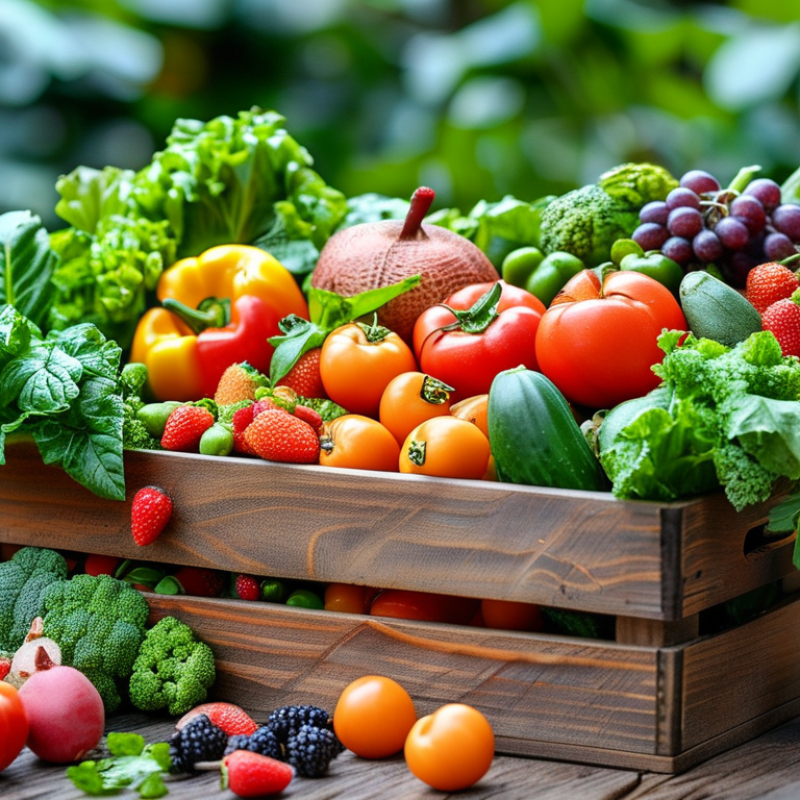
2026 Vegetable Fruit Crate Mould: Overview and Importance
The demand for efficient and durable vegetable and fruit packaging solutions is growing rapidly. The global market for Plastic Fruit Crates Mould is projected to reach $1.5 billion by 2026, driven by the rising need for effective transportation and storage methods. Packaging plays a pivotal role in preserving the freshness and quality of produce. Research indicates that up to 30% of fruits and vegetables are lost before reaching consumers, emphasizing the importance of well-designed crates.
Technological advancements have enhanced the quality of Vegetable Fruit Crate Mould designs. These innovations include improved materials and designs focused on sustainability and recyclability. Reports suggest that sustainable packaging can reduce environmental impact by up to 50%. Universal acceptance of such practices points towards a shift in consumer behavior, demanding eco-friendly solutions. However, the challenge remains in balancing cost-effectiveness with durability and functionality.
Despite advancements, some issues linger. Proper alignment during production remains a recurring problem, occasionally affecting the stacking strength of crates. Additionally, improper moulding processes can lead to inconsistencies in size and shape. Manufacturers need to continuously evaluate their production techniques. Staying updated with industry standards and consumer expectations is vital for success in creating top-tier Plastic Fruit Crates Mould.
Key Features of Innovative Crate Mould Designs in 2026
In 2026, the vegetable fruit crate mould market is witnessing innovative designs that prioritize efficiency and sustainability. Key features in these moulds focus on lightweight materials and improved durability. This evolution addresses the growing demand for eco-friendly packaging solutions. With manufacturers exploring biodegradable options, the shift is notable.
Moreover, customization plays a vital role in the design of Vegetable Crate Moulds. The ability to craft moulds tailored to specific produce types enhances product protection during transport. Such adaptability reduces spoilage and wastage, which is a critical concern for farmers and suppliers. Not all designs, however, meet the mark. Some lack sufficient strength or are not stackable, leading to inefficiencies.
Additionally, it's essential to balance innovation with practicality. While advanced features can improve crates, the complexity may increase production costs. Companies face the challenge of incorporating state-of-the-art technology without compromising affordability. Regular assessments of these mould designs are necessary to find the right balance. Continuous feedback from users will drive improvements in Vegetable Crate Moulds, ensuring they meet industry needs and expectations.
Top Manufacturers of Vegetable Fruit Crate Moulds Worldwide
The vegetable and fruit crate mould industry is on the rise. According to recent reports, the global market for these moulds is projected to grow at a CAGR of over 5% from 2024 to 2029. Factors driving this growth include increasing agricultural production and the need for better preservation of perishable goods. Producers are constantly innovating to meet the demands of fresh produce packaging.
Top manufacturers worldwide focus on quality and efficiency. They employ durable materials to ensure crates can withstand rigorous handling. The demand for customizable crate designs is also significant. A study indicates that nearly 70% of buyers prefer bespoke solutions tailored to their needs. This trend reflects a shift towards more sustainable practices in the supply chain. However, not all manufacturers have adapted quickly, leading to inconsistencies in product performance.
Sustainable practices are critical in this industry. Some manufacturers still rely heavily on conventional plastic moulds, which presents a challenge. Consumers increasingly demand eco-friendly alternatives. As the industry evolves, transparency and ethical production methods will become paramount. Buyers are looking for partners who prioritize sustainable development. This creates opportunities but also pressures companies to innovate responsibly. The industry stands at a crossroads between traditional practices and modern, sustainable solutions.
Materials Used in 2026 Vegetable Fruit Crate Mould Production
In the production of vegetable and fruit crates, selecting the right materials is crucial. The most commonly used materials include high-density polyethylene (HDPE), polypropylene (PP), and recycled plastics. Each material offers different benefits in terms of durability and cost-effectiveness. According to industry reports, the market for Plastic Vegetable Crate Moulds is expected to grow by over 4% annually. This growth reflects increasing demands for sustainable and durable packaging solutions.
When considering materials for plastic vegetable crate mould, strength and recyclability are key factors. HDPE is favored for its resistance to impact and weathering. In contrast, PP offers excellent flexibility, making it suitable for various designs. However, not all recycled plastics meet food safety standards, necessitating careful material selection. The need for reliable suppliers is evident, as poor-quality raw materials can lead to structural failures.
Tips: Always verify the source of your materials. Look for certifications that ensure safety and durability. Engage with materials experts to optimize your moulding processes. Investing in quality materials upfront can reduce long-term costs due to product failures. Additionally, consider the environmental impact of your materials, as consumers are increasingly drawn to eco-friendly products.
2026 Top Vegetable Fruit Crate Mould for Global Buyers
| Material Type | Durability (Years) | Weight (kg) | Cost per Unit (USD) | Recyclability (%) |
| Plastic | 5 | 2.5 | 3.00 | 60 |
| Wood | 10 | 4.0 | 5.00 | 80 |
| Metal | 15 | 3.5 | 10.00 | 90 |
| Composite | 8 | 3.0 | 6.00 | 75 |
Global Market Trends for Vegetable Fruit Crate Moulds in 2026
In 2026, the vegetable and fruit crate mould market is poised for significant transformation. Sustainability concerns are driving changes in material usage. Many manufacturers are exploring biodegradable alternatives. This trend reflects a growing consumer preference for environmentally friendly products. Innovators are experimenting with mold designs to improve functionality and reduce waste.
The global demand for efficient packaging solutions is increasing. Buyers are looking for moulds that not only enhance durability but also facilitate easier handling. However, some designs may still fall short in meeting user expectations. There can be issues with balance between sturdiness and lightness. Feedback from various stakeholders indicates a continuous need for improvement in this area.
Emerging markets are becoming key players in this sector. Regions with high agricultural output are investing in better crate mould technologies. Yet, some countries still struggle with outdated manufacturing processes. This gap presents opportunities for innovation. Buyers must stay informed on trends and technological advancements to make wise choices. Understanding local market dynamics is essential for successful procurement.
Global Market Trends for Vegetable Fruit Crate Moulds in 2026
Sustainability and Eco-Friendly Practices in Crate Mould Production
Sustainability is becoming crucial in the production of Plastic Vegetable Crate Mould. As environmental concerns rise, the industry must adopt eco-friendly practices. Research indicates that sustainable materials can reduce carbon footprints by up to 30% compared to traditional products. This shift is not just about compliance; it's about innovation and market demands.
Using recycled plastics is one promising approach. Many manufacturers are now using at least 50% recycled materials in their crate mould production. This not only lowers costs but also meets consumer expectations for sustainable products. Reports show that 60% of consumers consider eco-friendliness essential when choosing packaging solutions. However, the challenge remains in ensuring quality while using recycled materials.
Tip: Explore suppliers who prioritize sustainability in their manufacturing processes. It’s essential to verify their claims about recycled content and eco-friendly practices.
Transparency in the supply chain is also vital. Brands that share their sustainability efforts tend to build trust among consumers. Yet, the industry continues to face criticism regarding inconsistent practices. Manufacturers must reflect on their processes and aim for continuous improvement.
Tip: Regular audits and assessments can help identify areas for improvement in sustainability practices. Stay informed about industry standards for eco-friendly production.
Future Innovations in Vegetable Fruit Crate Mould Technology
The future of vegetable and fruit crate mould technology looks promising. Innovations are emerging to enhance efficiency and sustainability. New materials are being tested, which can reduce weight while maintaining strength. These advancements help improve transportation and storage, promoting fresher produce.
Tips: Consider the durability of materials. Recyclable options can benefit the environment.
Smart designs are becoming common. Some crates now include features for better airflow. This limits spoilage and improves shelf life. Enhanced mould designs also cater to specific fruits and vegetables, optimizing fitting and protection.
Tips: Always focus on functionality. A well-designed crate saves money in the long run.
As the industry evolves, manufacturers must keep up. Regular feedback from users is crucial. Identifying flaws in existing designs will lead to innovations. Collaboration among stakeholders can drive better solutions for the future.
Innovative Approaches in Advanced Plastic Dustbin Mould Production for Global Manufacturing Efficiency and Sustainability
In the realm of global manufacturing, the production of advanced plastic dustbin moulds is undergoing a transformative shift. Innovations in material science and design ergonomics are paving the way for moulds that not only enhance production efficiency but also adhere to sustainability goals. Recent reports from industry analysts indicate that the global plastic mould market is projected to grow steadily, with a compound annual growth rate of 4.5% through 2025, largely driven by the increasing demand for environmentally friendly manufacturing practices. This underscores the need for manufacturers to adopt moulding technologies that are both efficient and ecologically sound.
The focus on performance and precision in dustbin mould production can no longer be underestimated. Modern moulds capitalize on advanced materials that improve durability and reduce waste during manufacturing. Collaboration between design engineers and material scientists plays a critical role in creating moulds tailored to specific market needs. Research has shown that integrating ergonomic principles into mould design not only enhances operator comfort but also boosts overall production output by minimizing downtime associated with ergonomics-related injuries.
Moreover, the challenge for manufacturers lies in aligning production processes with sustainability initiatives. According to a report from the International Energy Agency, industries that adopt high-efficiency production techniques can reduce their carbon footprint significantly. By utilizing advanced plastic moulds that incorporate recycled materials and cutting-edge design, manufacturers can create dustbins that fulfill consumer demand while contributing to global sustainability initiatives. This dual focus on innovation and efficiency not only places companies at a competitive advantage but also fosters a more sustainable future for the manufacturing sector.
FAQS
: The growth is driven by increasing agricultural production and the need for better preservation of perishable goods.
Nearly 70% of buyers prefer customizable solutions tailored to their needs.
Sustainability reduces carbon footprints and addresses consumer demand for eco-friendly products.
Many manufacturers use at least 50% recycled materials, balancing cost and consumer expectations.
Ensuring quality while using recycled materials remains a significant challenge.
Transparency builds trust among consumers and can enhance brand loyalty.
New designs include features for better airflow to limit spoilage and improve shelf life.
Regular audits and assessments can help identify areas needing improvement in practices.
User feedback is crucial for identifying flaws and driving design improvements.
Consumers should prioritize durability and functionality, as well-designed crates can save money in the long run.
Conclusion
The article on "2026 Top Vegetable Fruit Crate Mould for Global Buyers" provides a comprehensive overview of the importance of vegetable fruit crate moulds in the agricultural industry. It highlights innovative designs that enhance functionality and efficiency, showcasing key features that are essential for modern manufacturers. The discussion also delves into the various materials utilized in the production of these crate moulds, emphasizing the shift towards sustainable and eco-friendly practices that align with global market trends.
Furthermore, the article examines leading manufacturers in the sector, while forecasting future innovations that could revolutionize vegetable fruit crate mould technology. As the demand for effective and environmentally responsible solutions in food transportation continues to rise, the insights provided offer valuable guidance for buyers looking to invest in high-quality vegetable fruit crate moulds.